We use cookies to make your experience better.
To comply with the new e-Privacy directive, you agree to the privacy policy and our use of cookies

Complete EPOS Till Systems for UK Retail & Hospitality: Everything You Need to Know
Complete EPOS Till Systems for UK Businesses: Find the Right Setup for Your Sector

A well-specified EPOS till system does far more than process transactions — it connects your stock, staff, payments and reporting into a single, manageable operation. For UK businesses weighing up their options, the right setup depends on your sector, your volume and how you plan to grow. This guide walks through everything you need to know to choose with confidence, from core hardware bundles to ongoing software costs and cloud versus traditional architecture.
What Is a Complete EPOS Till System and What Should It Include?
A complete EPOS (Electronic Point of Sale) system is the combination of hardware, software and payment processing that allows a business to sell goods or services, track stock, manage staff and generate reports — all from one integrated platform. Unlike a basic cash register, a full setup gives you real-time data and the ability to make better decisions faster.
A properly specified complete system typically includes:
- Touchscreen till terminal — the central unit through which all transactions pass
- EPOS software — the intelligence layer managing products, pricing, promotions and reporting
- Cash drawer — secure and electronically triggered by the till
- Receipt printer — thermal printers are standard; some sectors also need kitchen printers
- Barcode scanner — for fast, accurate product lookup in retail environments
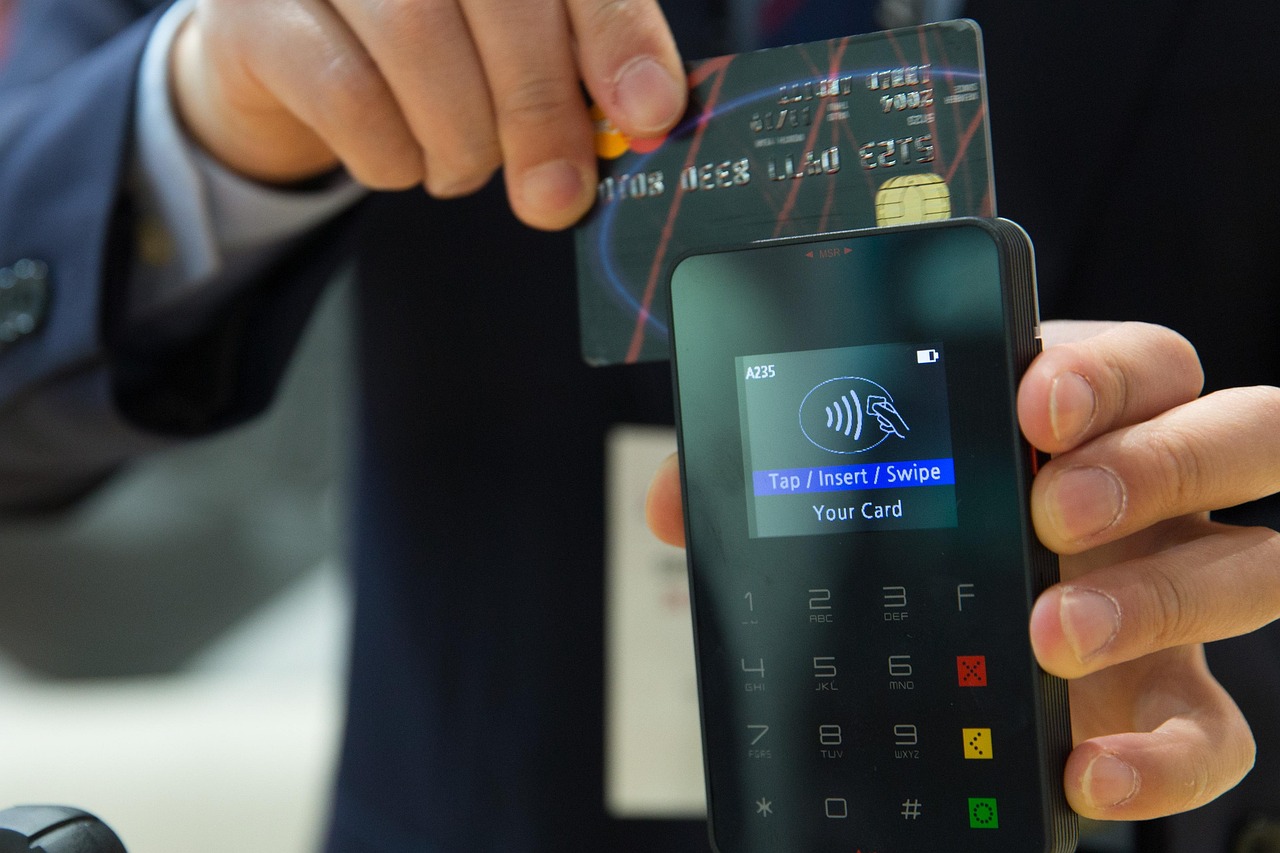
- Card payment terminal — ideally integrated so that card transactions post directly to the till without manual re-entry
- Customer-facing display — optional but increasingly expected, especially in food service
- Back-office and reporting access — via web browser or dedicated management software
If integrated card payments are a priority — and for most UK businesses they should be — our guide to the best EPOS systems with integrated card payments in the UK explains exactly what to look for and why seamless integration reduces end-of-day reconciliation errors significantly.
Which UK Industries Benefit Most from a Full EPOS Setup?
Almost every consumer-facing business benefits from moving beyond a basic till, but certain sectors see the most dramatic operational improvements when a full system is deployed correctly.
Retail
Independent shops, fashion boutiques, convenience stores and off licences all gain from stock control that updates in real time with every sale. Knowing when a product is running low — without counting shelves — is one of the most practical gains. If you operate a smaller shop, our guide to the best till systems for small shops covers the specific requirements of compact retail environments in detail. For off licences in particular, age verification prompts, duty-paid tracking and licensing compliance features are essential; see our dedicated guide to till systems for off licences for a sector-specific breakdown.
Hospitality and Food Service
Restaurants, cafés, takeaways and bars benefit from table management, kitchen display or printer routing, modifier options (e.g. dietary preferences, portion sizes) and split-bill functionality. A full hospitality setup should connect front-of-house terminals directly to the kitchen without any verbal relay, reducing errors and improving table turn times. You can explore our hospitality and restaurant EPOS offers or try a restaurant EPOS software demo to see how the workflow operates in practice.
Pharmacies
Pharmacies require dispensary integration, PMR (Patient Medication Record) compatibility, controlled drug logging and age-restricted sale prompts. If you operate a pharmacy, a pharmacy EPOS software demo is the most efficient way to assess whether a system meets your regulatory obligations.
Other Sectors
Garden centres, sports clubs, market traders, hair and beauty salons, and trade counters all have EPOS needs that differ from one another. The common thread is that a correctly configured system — rather than a generic one — pays back its cost quickly through reduced shrinkage, faster service and better buying decisions.
Key Features to Look for in a Complete Till System
Not all EPOS platforms are equivalent. When evaluating options, prioritise the following:
- Stock management depth — can it handle variants (size, colour), composite products and supplier purchase orders?
- Reporting granularity — hourly sales, staff performance, best-sellers and margin by product are the minimum useful reports
- Multi-site support — if you plan to open a second location, confirm the software scales without a separate licence per site
- Offline mode — a system that freezes when the internet drops is a serious operational risk; confirm local transaction processing
- Integration ecosystem — accounting (Xero, Sage, QuickBooks), loyalty schemes, ecommerce platforms and delivery aggregators
- Ease of training — intuitive interfaces reduce onboarding time for new staff, which matters enormously in high-turnover sectors
- UK-based support — time zones matter; confirm support hours and response times before committing
Businesses upgrading from an older cash register often underestimate how much difference a modern platform makes to daily operations. Our practical guide to switching from a cash register to a modern EPOS system covers the transition process step by step.
How Much Does a Complete EPOS Till System Cost in the UK?
Cost is one of the most common questions from UK buyers, and the honest answer is that pricing varies considerably depending on the hardware specification, the software tier and how you choose to pay. The following table gives indicative ranges typical for the UK market — these are guidance figures only, not quotes.
| Business Type | Typical Hardware Bundle | Indicative Setup Cost | Software (Indicative Monthly) |
|---|---|---|---|
| Small retail shop (1 till) | Terminal, scanner, printer, cash drawer | From £500–£900 outright | From £30–£60/month |
| Independent café or restaurant (1–2 tills) | Terminals, kitchen printer, card reader | From £800–£1,500 outright | From £50–£100/month |
| Multi-till retail (3+ tills) | Multiple terminals, scanners, back-office screen | From £1,800–£3,500 outright | From £80–£150/month |
| Full hospitality venue (restaurant, bar) | Terminals, KDS/kitchen printer, customer display | From £2,000–£5,000 outright | From £80–£180/month |
| Pharmacy | Specialist terminal, dispensary integration | From £1,200–£3,000 outright | From £60–£120/month |
All figures are indicative market ranges for the UK and should be treated as approximate guidance only. Final pricing depends on specification, number of terminals and chosen support package. Contact EPOS Direct for an accurate quote tailored to your business.
Many businesses choose to spread costs through a monthly subscription model rather than a single outright purchase. To understand the genuine trade-offs of each approach, our article on monthly EPOS subscription versus outright purchase weighs the financial and operational considerations clearly.
Cloud-Based vs Traditional EPOS: Which Is Right for Your Business?
This is a question most buyers face, and the answer is rarely one-size-fits-all. Here is a practical comparison:
Cloud-Based EPOS
- Data stored and accessible remotely — manage your business from any device, anywhere
- Software updates applied automatically, with no manual intervention
- Lower upfront cost; typically subscription-based
- Dependent on internet connectivity; offline fallback mode is essential to verify
- Scales easily as you add sites or terminals
Traditional (On-Premise) EPOS
- Software and data stored locally on your own server or terminal
- Fully operational without internet access — suitable for locations with unreliable connectivity
- Higher upfront cost; lower ongoing fees in some configurations
- Manual software updates; IT resource or vendor support required
- Scaling to multiple sites requires more planning and infrastructure
For most new UK businesses starting from scratch in 2025 and beyond, a cloud-based system with a verified offline mode represents the most resilient and cost-efficient starting point. You can explore EPOS Direct's software platform to see how the architecture works before making any commitment.
What to Expect When Setting Up Your New EPOS System
A common concern for buyers is disruption during installation. With a well-organised supplier, the process is predictable and manageable.
- Discovery and specification — a consultant reviews your product range, team size, peak trading periods and any existing hardware to define the right bundle
- Product and menu build — your product catalogue, pricing, departments and tax settings are configured before delivery; this is the most time-intensive phase
- Hardware delivery and installation — most single-terminal setups can be operational within a day; larger multi-site deployments are typically phased
- Staff training — hands-on training for till operators and management reporting; good suppliers include this as standard, not an add-on
- Go-live support — dedicated support on and around your opening day matters more than buyers anticipate; confirm this with your supplier
- Ongoing optimisation — use reporting data in the first 30 to 90 days to refine your product layout, promotions and staffing
If you are comparing what different providers offer at each stage, our complete 2026 competitor comparison guide gives a structured breakdown to help you assess the market objectively.
Why Choose EPOS Direct for Your Complete Till System?
EPOS Direct has been supplying and supporting UK businesses across retail, hospitality and specialist sectors for many years. The team works directly with independent retailers, multi-site operators, restaurant groups and pharmacies — which means the advice you receive is grounded in real operational experience rather than a generic product catalogue.
Key reasons UK businesses choose EPOS Direct:
- Sector-specific configuration — systems are built around your business type, not retrofitted from a generic template
- UK-based support team — accessible during business hours, with no overseas call-centre relay
- Flexible purchasing options — outright purchase, subscription and leasing arrangements are all available
- Integrated payments — card processing connects directly to the till, eliminating manual reconciliation
- Proven software platform — regularly updated, with features developed in response to UK business feedback
For retail businesses, you can view current bundles and pricing on our retail EPOS offers page, or book a retail EPOS software demo to see the platform in action. For small businesses exploring their options more broadly, our complete buyer's guide to the best till systems for small businesses is a useful starting point.
Getting Started: Your Next Step
Choosing a till system is one of the most consequential operational decisions a UK business makes — and it is one that rewards careful, informed comparison. The right system reduces manual work, gives you better data to trade on and pays back its cost through efficiency gains within months of going live.
EPOS Direct's team is available to help you specify the right setup without obligation. Talk to an expert online for immediate guidance, request a free demo to see the software running in a configuration relevant to your sector, or visit the EPOS Direct home page for the full range of offers and information. If you would prefer to speak by phone, you can request a call back at a time that suits you.
Written by the EPOS Direct UK team, who work with UK retail, hospitality and specialist businesses every day to help them find and implement the right point-of-sale solution.
Frequently asked questions
- What hardware is typically included in a complete till system package?
- A complete EPOS till system package usually includes a touchscreen terminal or tablet, a receipt printer, a cash drawer, and a card payment reader. Some bundles also add a barcode scanner and customer-facing display, depending on your sector. Always confirm what is included before purchasing so you are not paying separately for essential peripherals.
- How much should I expect to pay for a complete EPOS system in the UK?
- Prices vary by complexity. Entry-level complete till system bundles for small retail or hospitality businesses in the UK typically start from around £300 to £600 for basic hardware with free or low-cost software. Mid-range systems with cloud software, integrated card payments and multi-device support generally range from £600 to £1,500. Enterprise or multi-site setups can exceed £2,000 per terminal. Monthly software subscription plans often run between £20 and £80 per month. EPOS Direct offers transparent bundle pricing so you know exactly what you are getting.
- Can I use my existing card payment provider with a new EPOS till system?
- It depends on the system. Some EPOS platforms integrate natively with major UK payment processors such as Worldpay, Square, Stripe, or SumUp, while others require you to use their built-in payment solution. Before committing, check which payment integrations are supported and whether switching providers will incur fees. EPOS Direct can advise on compatible payment options to suit your current setup.
