We use cookies to make your experience better.
To comply with the new e-Privacy directive, you agree to the privacy policy and our use of cookies

Touch Screen Tills for Retail Shops: The Complete Buyer's Guide
Touch Screen Tills for Retail Shops: Everything You Need to Know Before You Buy
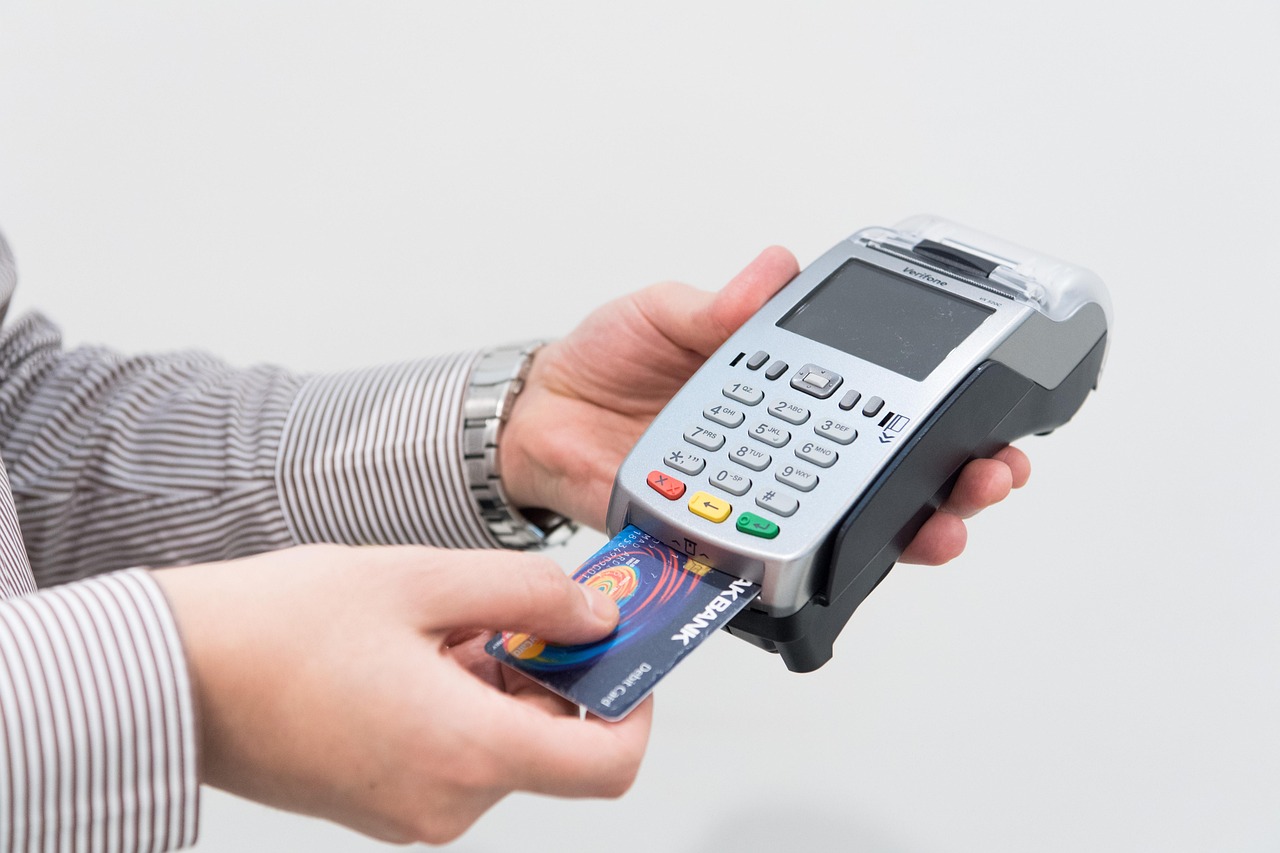
A modern touch screen till is the operational backbone of any well-run retail shop — processing sales faster, tracking stock in real time, and giving you the management data you need to make confident business decisions. Whether you're opening your first shop or replacing an ageing cash register, choosing the right EPOS system is one of the most consequential purchases you'll make. This guide covers everything a UK retailer needs to know: what to look for, how much to budget, and how to avoid the most common mistakes buyers make.
What Is a Touch Screen Till and Why Does Your Retail Shop Need One?
A touch screen till — also called an EPOS (Electronic Point of Sale) system — combines a touchscreen terminal with software that handles sales, payments, stock management, and reporting in one integrated unit. Unlike a traditional cash register, which simply records transactions, an EPOS system builds a live picture of your business: which products are selling, when your busiest periods fall, and which staff members are processing the most transactions.
For a retail shop, the practical benefits are immediate. Checkout queues move faster when staff aren't manually entering prices. Stock levels update automatically with each sale, eliminating the guesswork that leads to over-ordering or running out of a bestseller. End-of-day reconciliation takes minutes rather than an hour of manual counting. And when HMRC asks questions, you have a complete, auditable sales record at your fingertips.
If you're currently using a cash register and considering making the switch, our guide on how to upgrade from a cash register to a modern EPOS system walks through the transition step by step.
Key Features to Look for in a Retail Touch Screen Till System
Not every EPOS system is built with retail in mind. Some are designed primarily for hospitality, others for service businesses. Before committing to any system, verify it handles these retail-specific requirements:
Stock and Inventory Management
Real-time stock tracking is non-negotiable for retail. Look for a system that deducts stock with every sale, raises low-stock alerts, supports multiple suppliers, and allows you to run stock takes directly from the till or a handheld device. Barcode scanning — either via a built-in scanner or a connected peripheral — is essential for speed and accuracy.
Integrated Card Payments
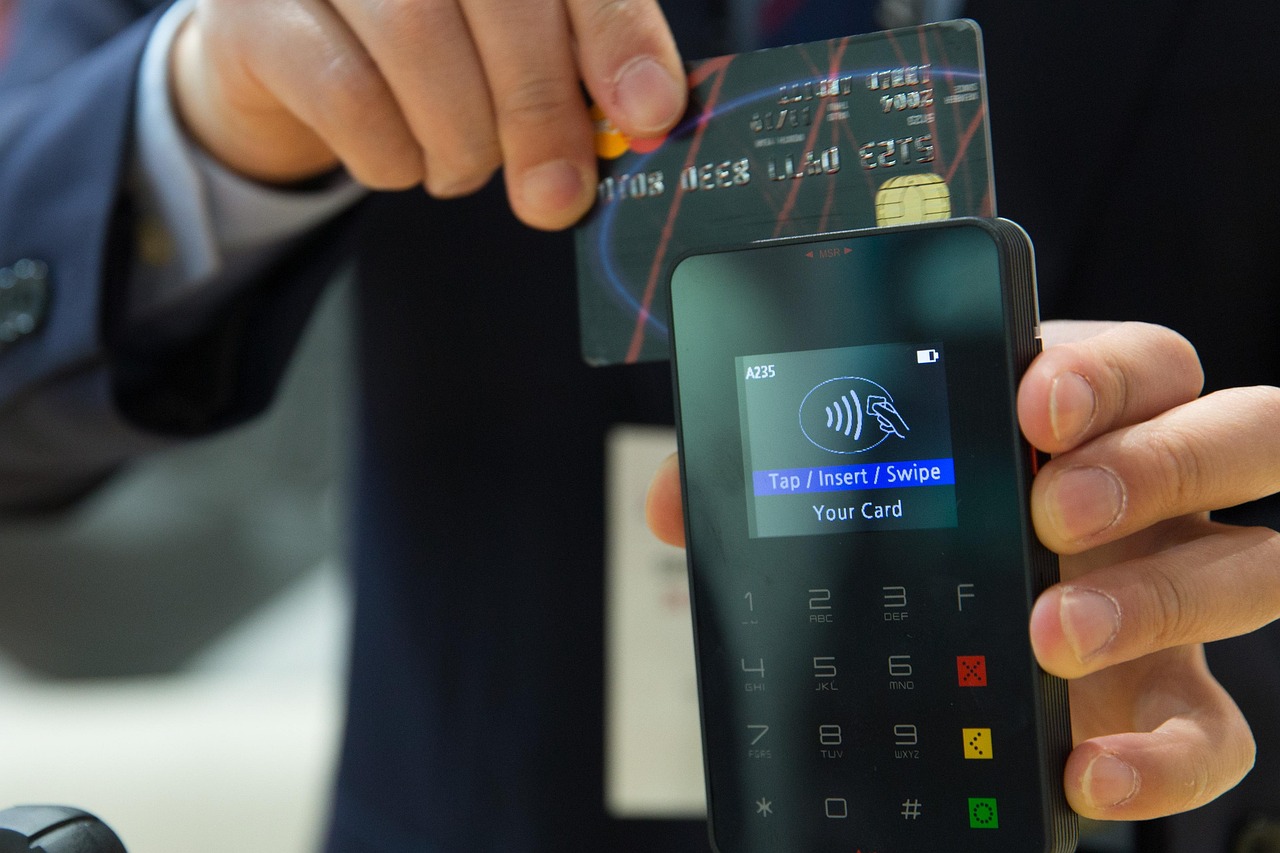
A seamlessly integrated card reader removes the risk of keying errors and speeds up every transaction. Contactless, chip and PIN, and mobile wallet payments (Apple Pay, Google Pay) should all be supported. For a detailed breakdown of what to look for, our guide to EPOS systems with integrated card payments in the UK covers the key considerations.
Reporting and Analytics
Granular sales reports — by product, category, time of day, and staff member — help you make smarter buying decisions. Look for a cloud-based dashboard you can access from anywhere, not just from the till itself.
Multi-Location and Multi-User Support
If you run more than one shop or employ multiple staff members, role-based access controls and centralised reporting across sites become important. Confirm the software licence covers the number of users and tills you need without hidden per-seat fees.
Customer Management and Loyalty
A built-in CRM lets you record customer purchase history, run promotions, and build loyalty programmes — valuable tools for independent retailers competing with larger chains.
Types of Touch Screen Till Available for UK Retailers
The market broadly divides into three hardware configurations, each suited to a different retail context:
| Configuration | Best For | Key Advantages | Typical Limitation |
|---|---|---|---|
| All-in-one countertop terminal | Established retail shops with a fixed checkout point | Robust build, large screen, full peripheral support (scanner, receipt printer, cash drawer) | Not easily portable; requires counter space |
| Tablet-based EPOS (iPad/Android) | Market traders, pop-ups, boutiques with roaming staff | Lightweight, affordable entry point, portable | Consumer-grade hardware less durable under heavy daily use |
| Integrated dual-screen system | Busy retail environments requiring a customer-facing display | Customer sees itemised transaction; reduces disputes and enhances trust | Higher upfront cost; requires more counter space |
For most independent retailers — a convenience store, off licence, fashion boutique, or specialist shop — a dedicated all-in-one countertop terminal running purpose-built retail EPOS software is the most reliable long-term choice. If you run a smaller operation, our guide to the best till systems for small shops offers tailored advice for tighter budgets and compact counters.
How Much Does a Touch Screen Till Cost in the UK?
Cost is the question every buyer asks first, and it's entirely reasonable — but the answer depends on the hardware specification, the software model, and the level of support included. Here are honest indicative ranges for the UK market:
Hardware
- Entry-level tablet-based setup (tablet, stand, card reader): typically from around £300–£600 as an outright purchase.
- Mid-range all-in-one countertop terminal with built-in printer and cash drawer: typically £600–£1,200 for the hardware bundle.
- Premium dual-screen or multi-peripheral system: most setups fall between £1,200 and £2,500 depending on specification.
Software and Support
- Monthly subscription model: typically from £30–£80 per month per terminal, often inclusive of software updates, cloud reporting, and technical support.
- Outright software licence: a one-off cost that may suit established businesses with lower ongoing budget concerns, though support and update terms vary.
There's a genuine strategic question here around ownership versus subscription. Our article on monthly EPOS subscriptions versus outright purchase compares both models in detail, including the scenarios in which each makes more financial sense for a retail business.
Payment Processing
Card processing fees in the UK typically range from around 0.5% to 1.75% per transaction, depending on your provider, card type, and monthly volumes. Always compare the total cost of ownership — hardware, software, processing, and support — rather than focusing on any single line item.
How to Choose the Right EPOS System for Your Retail Shop
With dozens of systems on the market, narrowing down the right choice requires asking sharp questions rather than being swayed by marketing claims. A useful framework:
- Define your core workflow. What does a typical transaction look like? Do you sell by weight, by unit, or by custom order? Does your stock arrive with barcodes, or do you create your own? The answers dictate the minimum software feature set you need.
- Consider your growth trajectory. A system that works for a single till today may need to support two or three tills, a second location, or online sales within two years. Choose software that scales without forcing a platform migration.
- Evaluate the support model. Hardware fails. Software has issues. The question isn't whether you'll need support, but how quickly you'll get it. UK-based telephone support during trading hours is worth paying for.
- Request a demonstration. No brochure or website can replicate the experience of actually using a system. A live or video demo — focused on your specific retail category — is the single most effective step in the buying process. You can book a retail EPOS software demo with EPOS Direct UK at no cost or obligation.
For a broader comparison of leading options in the market, including how different systems stack up on features, cost, and support, our complete buyer's guide to the best till systems for small businesses in the UK provides an independent assessment.
Specialist Retail Sectors: Tailored Considerations
While the principles above apply broadly, some retail categories have specific requirements that should influence your system choice:
Off Licences and Convenience Stores
Age verification prompts at the point of sale, tobacco gantry management, and lottery or PayPoint integrations are often essential. Our dedicated guide to the best till systems for off licences in the UK covers these requirements in full.
Fashion and Lifestyle Boutiques
Matrix stock management — tracking items by size, colour, and variant — is the priority here. Your EPOS should allow you to receive a delivery of fifty units across five sizes and three colourways with minimal data entry.
Health and Pharmacy Retail
Regulated product categories, dispensing records, and NHS integration add complexity. If you operate a pharmacy or health retail business, explore the pharmacy EPOS software demo to see how purpose-built functionality addresses these needs.
What's Included When You Buy from EPOS Direct UK?
EPOS Direct UK supplies retail EPOS systems to independent shops, small chains, and multi-site retailers across the United Kingdom. Our retail packages are designed to give you everything you need from day one, without requiring you to source hardware and software from separate suppliers and attempt to make them work together.
Depending on the package chosen, a typical retail EPOS bundle from EPOS Direct UK includes:
- A commercial-grade touch screen terminal (not a repurposed consumer tablet)
- Purpose-built retail EPOS software with full stock management, sales reporting, and customer management
- Integrated card payment processing
- Receipt printer, barcode scanner, and cash drawer
- UK-based installation and setup support
- Staff training to get your team confident on the system
- Ongoing technical support from a UK-based team
You can explore current retail packages and pricing on our retail EPOS offers page, or browse the full range of products and information available on the EPOS Direct UK home page.
Getting Started: Installation, Training, and After-Sales Support
Even the best hardware is only as effective as the team using it. A well-planned implementation makes the difference between a system that transforms your shop's efficiency and one that sits partially configured while staff revert to manual workarounds.
Installation
A professional installation typically covers hardware setup, network configuration, software activation, initial product and stock database import, and integration testing with your card payment terminal. Confirm in advance whether installation is included in your purchase price or billed separately.
Training
Expect an initial training session covering day-to-day till operation, end-of-day procedures, and basic reporting for management. The best providers supplement this with video tutorials and written documentation your team can reference after go-live.
Ongoing Support
Ask specifically: What are your support hours? Is there a helpline or only a ticketing system? How quickly do you respond to critical issues during trading hours? These are the questions that matter most when your till goes down at 11am on a Saturday. EPOS Direct UK offers UK-based support — if you'd like to discuss your specific requirements before committing, you can talk to an expert online or request a call back at a time that suits you.
The Bottom Line
A touch screen till is not a commodity purchase — it's an investment in the efficiency, accuracy, and long-term data intelligence of your retail operation. The right system will pay for itself through reduced shrinkage, faster throughput, and the management insight to stock and price more profitably. The wrong system will frustrate your staff, constrain your growth, and cost more to replace than it would have cost to choose carefully in the first place.
EPOS Direct UK has helped independent retailers, small chains, and specialist shops across the United Kingdom find and implement the right EPOS solution for their specific context. If you're ready to move forward, request a free demo and one of our retail specialists will guide you through the options without pressure or jargon.
Written by the EPOS Direct UK team, who support UK retailers in finding, implementing, and getting the most from their EPOS systems every day.
Frequently asked questions
- How much does a touch screen till system cost for a small retail shop in the UK?
- Prices vary depending on the hardware specification and software features you need. For a small UK retail shop, entry-level touch screen till bundles typically start from around £300–£500 for basic hardware. A complete EPOS bundle — including touch screen terminal, receipt printer, barcode scanner, cash drawer and retail software — generally ranges from £600 to £1,500. Monthly software subscriptions can add £20–£60 per month. EPOS Direct UK offers competitive bundled pricing with no hidden fees, and financing options are available for businesses that prefer to spread the cost.
- Do I need an internet connection for a touch screen till to work in my shop?
- Most modern touch screen EPOS systems work best with a reliable internet connection for real-time stock updates, cloud reporting and card payment processing. However, many systems — including those from EPOS Direct UK — offer offline mode functionality, so your till continues to process sales even if your connection drops temporarily. Data then syncs automatically once connectivity is restored, ensuring no sales data is lost.
- Can a touch screen till system manage stock and generate sales reports for my retail shop?
- Yes — this is one of the biggest advantages of switching to a touch screen EPOS system over a traditional till. Good retail EPOS software will track stock levels in real time, alert you when items are running low, manage supplier orders and generate detailed sales reports by product, category, staff member or time period. EPOS Direct UK's retail software includes built-in inventory management and an intuitive reporting dashboard, helping you make smarter buying decisions and reduce shrinkage.
