We use cookies to make your experience better.
To comply with the new e-Privacy directive, you agree to the privacy policy and our use of cookies

Can You Run an EPOS System Without an Internet Connection?
Can You Use an EPOS System Without the Internet?
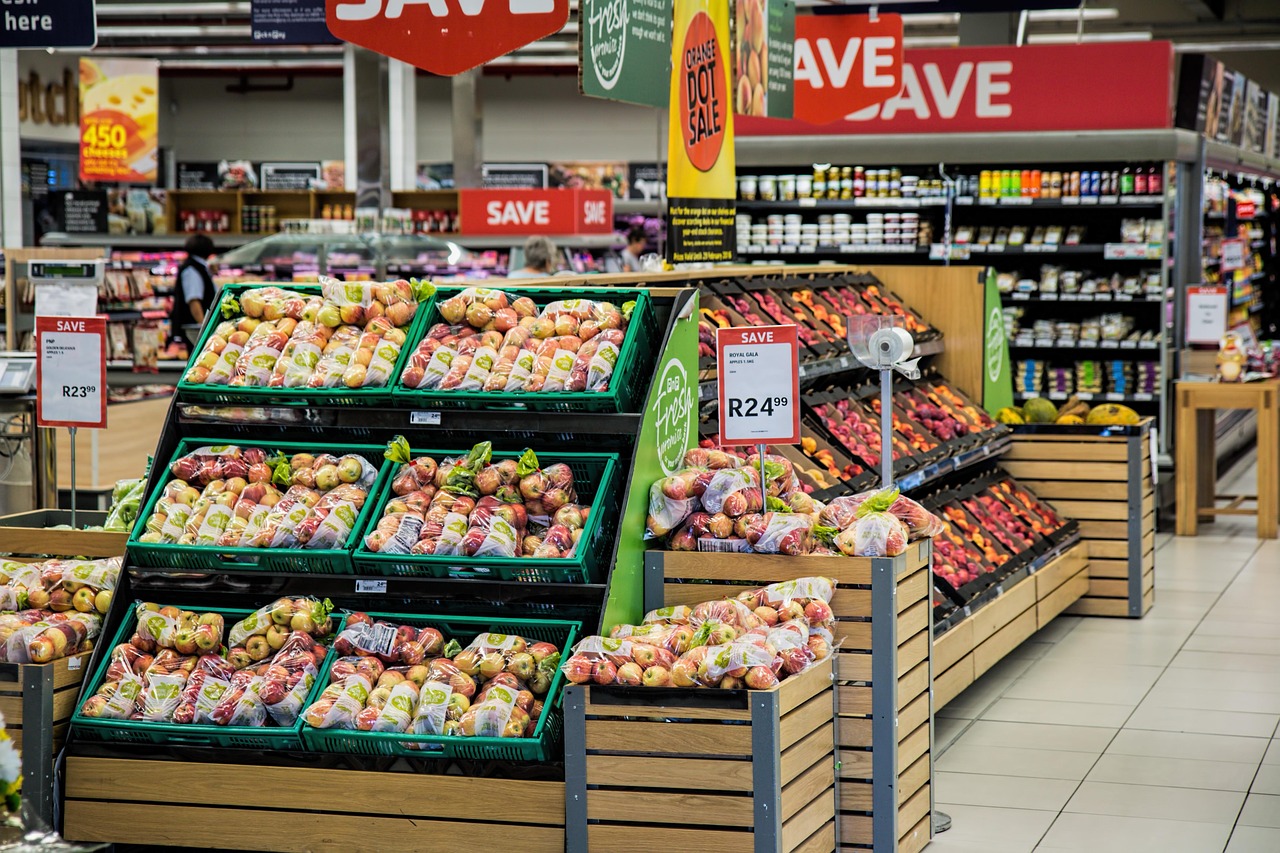
Yes — a well-designed EPOS system can absolutely continue processing sales, managing stock and printing receipts without an active internet connection. The key distinction is whether your system relies entirely on a remote cloud server or whether it stores data and runs core logic locally on the till hardware itself. Understanding that difference before you buy could save your business from an expensive standstill the next time your broadband drops.
How Modern EPOS Systems Handle Offline Mode
The best contemporary EPOS platforms use a hybrid architecture: your software runs locally on the terminal (or a local server on your premises), and data is synchronised to the cloud whenever a connection is available. This means the system keeps a working copy of your product catalogue, pricing, stock levels and open transactions in local memory at all times.
When connectivity drops, the terminal switches seamlessly into offline mode — usually without any visible interruption to the cashier. Sales are queued locally, and once the connection is restored, everything syncs automatically. The experience for staff is largely transparent; the only manual step is verifying that the sync completed correctly after a long outage.
What "offline mode" actually means in practice
- Local data storage: product names, prices and barcodes are cached on the device or a local server, not fetched live from a remote database with every scan.
- Transaction queuing: completed sales are held securely on the terminal and uploaded in batch when connectivity resumes.
- Receipt printing: local printer connections (USB, Bluetooth, LAN) continue to work independently of the internet.
- Loyalty and discounts: pre-loaded schemes and promotions usually remain active; complex real-time reward lookups may pause.
Which Core EPOS Features Work Without a Connection
Not every feature survives a connectivity outage equally, and knowing which ones do helps you plan your operation confidently. The following capabilities typically function in full offline mode on a well-built hybrid EPOS platform:
- Scanning barcodes and processing sales at the till
- Applying pre-set discounts, promotions and VAT rates
- Printing itemised receipts via a locally connected thermal printer
- Opening a cash drawer and processing cash payments
- Running basic refunds against locally stored transaction history
- Managing table layouts and open tabs (hospitality environments)
- Viewing and editing locally cached stock levels
For businesses that still handle a significant volume of cash — off licences, market traders, independent convenience stores — these capabilities alone are enough to keep trading. If you are weighing up your wider till setup, our guide to the best till systems for small businesses in the UK covers which hardware configurations support robust local processing.
What You Lose When the Internet Goes Down
Honest offline planning means understanding the limitations, not just the strengths. Several EPOS capabilities depend on a live connection to a remote server and will pause or degrade during an outage:
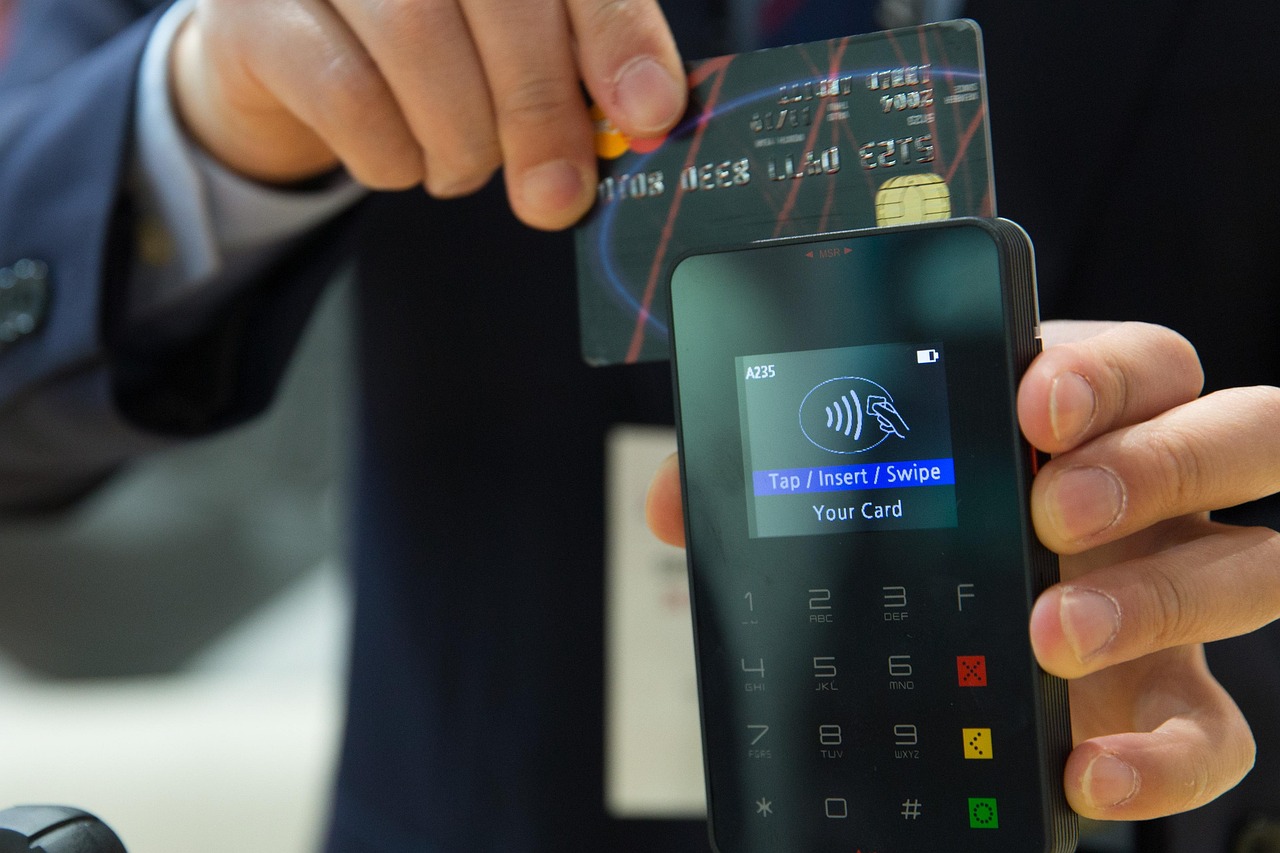
- Card payments: most card payment processing routes through a payment gateway hosted in the cloud. Without internet, contactless and chip-and-PIN transactions will typically fail unless your card machine has an independent mobile (4G/5G) data connection. This is the single most operationally significant risk for most UK businesses — see our guide to the best wireless card machines for small businesses for options that use their own SIM connectivity.
- Real-time reporting and dashboards: head-office dashboards, live sales analytics and multi-site reporting require a cloud connection to aggregate data.
- Online ordering integrations: orders coming in via delivery platforms or your website will not flow into the EPOS until connectivity is restored.
- Remote stock updates: any pricing or product changes pushed from a back-office system or another branch will not arrive until the connection is re-established.
- Loyalty app lookups: if your loyalty programme checks a customer's points balance from a cloud database, that lookup will fail offline.
- Software updates: automatic firmware and software patches require connectivity, though these are typically scheduled overnight anyway.
The practical takeaway: cash payments and basic sales processing are the most resilient functions. Card acceptance is the most vulnerable, and protecting it usually means a secondary connectivity solution running alongside your main broadband.
Cloud-Based vs Locally Installed EPOS: Key Differences for UK Businesses
The architecture of your system determines how it behaves offline. This comparison is worth understanding clearly before you commit to a solution:
| Criterion | Cloud-only EPOS | Hybrid (local + cloud sync) | Locally installed EPOS |
|---|---|---|---|
| Offline sales processing | None or very limited | Full, with automatic sync on reconnection | Full, always |
| Setup complexity | Low — plug in and go | Low to moderate | Higher — local server may be required |
| Real-time multi-site reporting | Excellent | Good (delayed sync during outages) | Poor without VPN or manual export |
| Software update management | Automatic, always current | Automatic when online | Manual or scheduled by IT |
| Ongoing cost structure | Monthly SaaS licence | Monthly SaaS licence + hardware | Upfront licence + support contract |
| Resilience to broadband failure | Low | High | Very high |
| Best suited to | Reliable urban broadband sites | Most UK retail & hospitality | Rural sites, market stalls, very high-volume sites |
For most UK independent retailers and hospitality operators, a hybrid system strikes the right balance — you get the convenience of cloud-based management and reporting alongside genuine resilience when your connection wobbles. If you are deciding between a subscription and an outright hardware purchase, our article on monthly EPOS subscriptions versus outright purchase walks through the financial trade-offs in detail.
EPOS Offline Capability: What to Look for When Buying
Before signing any contract, ask prospective suppliers these questions directly — and ask for a demonstration, not just a brochure promise:
- Does the system cache my full product catalogue locally? Some cheaper cloud platforms only cache recent or frequently scanned items; rarer SKUs may fail to scan offline.
- How long can the system operate offline before data integrity becomes a risk? A quality system will sustain 24–72 hours or more of offline queuing without data loss.
- What happens when conflicting stock updates arrive after reconnection? Ask for the conflict-resolution logic in writing — it matters for multi-till or multi-site businesses.
- Does offline mode require any manual intervention from staff? Ideally, switching modes is entirely automatic and invisible to the cashier.
- Is offline mode included as standard, or is it an add-on tier? Some vendors charge extra for this capability.
You can talk to an expert online at EPOS Direct UK to get straight answers to exactly these questions for your specific business type and location.
How to Future-Proof Your Setup Against Connectivity Issues
Even with a well-designed offline-capable EPOS, a layered connectivity strategy protects you from the scenarios that matter most — card payments failing during a busy Saturday or an outage lasting several hours during peak trading.
Practical steps to protect your business
- 4G/5G mobile broadband failover: a mobile router that automatically takes over from your fixed broadband when it drops costs relatively little and eliminates most outage risk. Many UK EPOS hardware setups can be configured with a dual-WAN router for seamless failover.
- SIM-enabled card machines: keep a standalone card terminal with its own mobile data connection as a backup payment method. This single step prevents the most painful outcome of a broadband outage: an inability to accept card payments.
- Regular offline testing: disable your router for five minutes each quarter and verify that every till continues processing sales as expected. Surprises discovered in a drill cost nothing; surprises discovered on a busy Friday afternoon cost considerably more.
- Local receipt printer connections: always connect your thermal receipt printer via USB or local network, never solely through a cloud print service.
- Staff training: ensure every team member knows what offline mode looks like and what the protocol is for cash-only trading if card acceptance fails. A laminated one-page checklist on the wall behind the till costs nothing and prevents panic.
For businesses in rural areas, market-town high streets or venues such as off licences — where broadband reliability can be genuinely inconsistent — these steps are not optional extras but essential operating practice. Our dedicated guide to the best till systems for off licences in the UK addresses connectivity resilience specifically for that sector.
What Does an Offline-Capable EPOS System Cost in the UK?
Pricing for EPOS systems in the United Kingdom varies widely depending on hardware specification, software tier and support level. The following ranges are indicative guidance based on typical UK market positioning — not a quote — and should be verified with suppliers directly.
- Entry-level tablet-based hybrid EPOS (single till): typically from around £20–£40 per month on a subscription, or from approximately £500–£800 as an outright hardware purchase plus an annual software licence.
- Mid-range purpose-built terminal with offline mode and integrated payments: most setups fall between £50–£100 per month all-in on a managed subscription, depending on the payment processing rate negotiated.
- Multi-till retail or hospitality installations with local server and full offline capability: indicatively from £1,500–£4,000 upfront for hardware, plus ongoing support and software costs. Enterprise-grade configurations for larger sites sit above this range.
- 4G failover router addition: standalone hardware typically from £80–£200, plus a monthly SIM data contract — a modest investment relative to the trading risk it mitigates.
To get an accurate, no-obligation quote for your specific setup, request a free demo from EPOS Direct UK — the team will assess your connectivity environment and recommend the most resilient configuration for your budget.
Choosing the Right Offline-Capable EPOS for Your Business Type
The right configuration depends on your sector, site and trading patterns. Here is a concise guide by business type:
Independent retail (convenience stores, newsagents, small shops)
A hybrid EPOS with full offline mode, a locally cached product database and a standalone SIM-enabled card terminal as backup covers virtually all connectivity risk. Browse our guide to till systems for small shops for hardware recommendations suited to compact retail environments. You can also explore our retail EPOS offers to see current packages built around exactly this need.
Restaurants, cafés and bars
Table management and kitchen display systems that depend on cloud connectivity are the primary risk in a hospitality outage. Look for a system where the kitchen display and order routing operate over your local network, not solely via the internet. Our hospitality and restaurant EPOS offers include systems designed for exactly this resilience — and you can try a restaurant EPOS software demo before committing.
Market traders and mobile food vendors
A tablet-based EPOS with full mobile data connectivity (not dependent on a fixed broadband line at all) is the appropriate architecture here. There is no broadband to lose, and a 4G-connected system is inherently resilient if you maintain a good mobile signal or carry a backup SIM from a second network.
Pharmacies
EHR and prescription management integrations typically require a connection to NHS systems, but till-side sales and OTC stock management can be protected with a hybrid offline setup. Explore the pharmacy EPOS software demo to see how the platform handles offline scenarios specific to dispensing and retail environments.
Conclusion
Running your EPOS system without internet access is entirely achievable with the right platform — one built on a hybrid local-and-cloud architecture that queues transactions, caches your product data and syncs automatically when connectivity resumes. The critical planning steps are choosing a system that genuinely supports offline processing (not just one that promises it in a brochure), adding a mobile broadband failover for card payments, and training your team so that a dropped connection never becomes a trading crisis.
EPOS Direct UK helps businesses across the UK find and configure EPOS solutions built for real-world connectivity conditions — including rural sites, high-footfall venues and anywhere that broadband reliability is less than perfect. Visit the EPOS Direct UK home page to explore the full range of systems and current offers, or request a call back and speak to a specialist who can assess your exact situation and recommend the most resilient setup for your business.
Written by the EPOS Direct UK team, who help UK retail, hospitality and specialist businesses choose and configure EPOS systems every day.
Frequently asked questions
- Will my card payments still work if my broadband goes down?
- It depends on the payment terminal and EPOS software you use. Some modern card terminals support offline mode, storing authorisation data temporarily and processing it once connectivity is restored. However, most standard card readers require an active internet or mobile data connection to authorise payments in real time. If uninterrupted card acceptance is critical for your business, ask your EPOS provider about terminals with built-in 4G failover or offline transaction queuing before you buy.
- How much does an offline-capable EPOS system cost in the UK?
- Prices vary depending on hardware and software requirements. A basic offline-capable EPOS bundle for a small UK retail or hospitality business typically starts from around £300 to £600 for a single-till setup including touchscreen, receipt printer, and cash drawer. Cloud-based systems with offline sync functionality often carry a monthly software licence fee of £20 to £80 per month. More advanced multi-terminal setups for restaurants or larger retailers can range from £1,000 to £3,000 or more. EPOS Direct UK offers tailored quotes, so it is worth contacting the team for exact pricing based on your setup.
- Is a locally installed EPOS system better than a cloud system if I have poor Wi-Fi?
- A locally installed or hybrid EPOS system is generally more resilient in environments with poor or unstable internet. Because the software and data run from a local server or device, your tills can continue processing sales, printing receipts, and updating stock without needing a live connection. Cloud-only systems rely entirely on internet access and may become unusable if connectivity is lost. Many modern systems offer the best of both worlds through hybrid architecture, syncing data to the cloud when online but operating fully offline when not.
