We use cookies to make your experience better.
To comply with the new e-Privacy directive, you agree to the privacy policy and our use of cookies


Best Card Payment Machines for UK Retail Shops: How to Choose the Right One
Card Payment Machines for UK Retail Shops: Everything You Need to Know Before You Buy
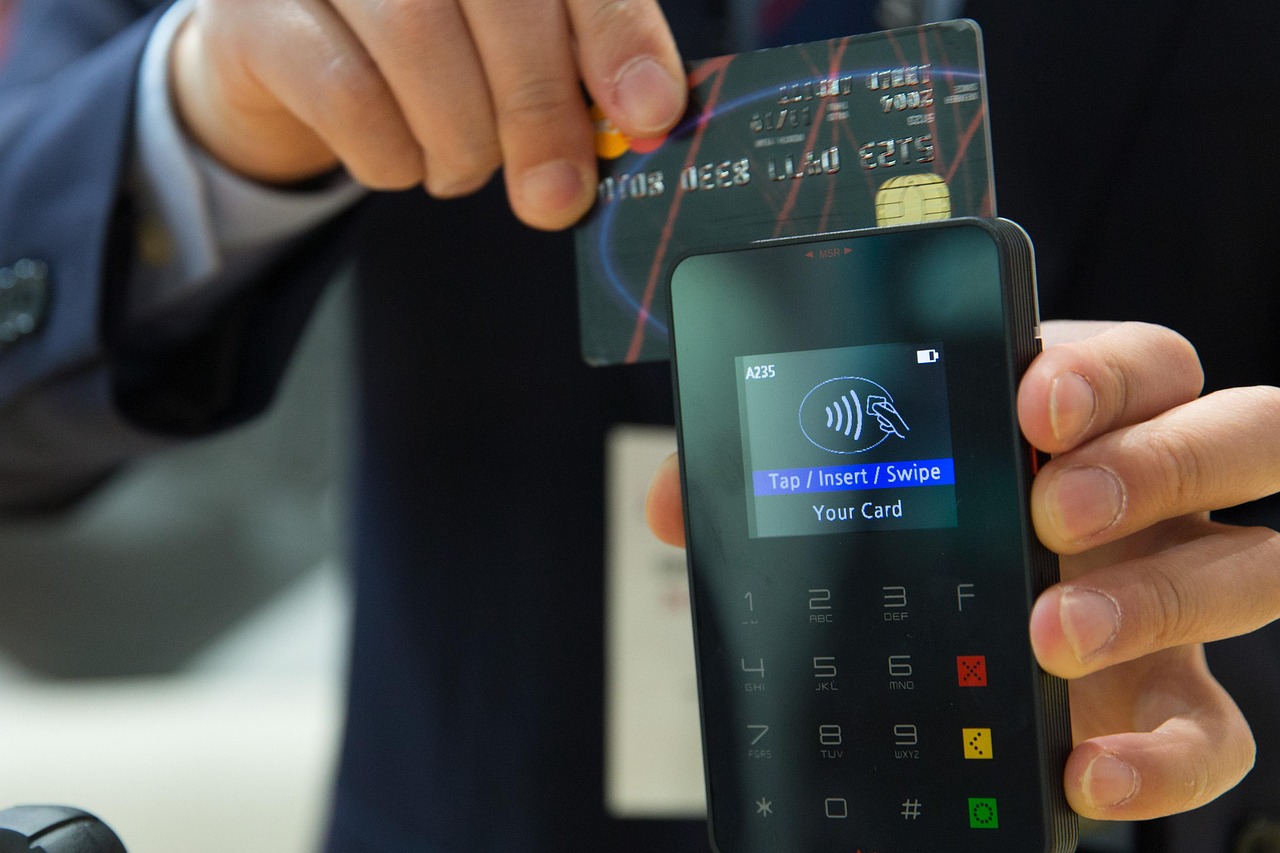
Choosing the right card payment machine is one of the most consequential decisions a UK retail shop owner makes — it affects every transaction, every customer interaction, and ultimately your bottom line. The good news is that the market has matured significantly: retailers now have access to flexible, feature-rich payment terminals that integrate seamlessly with modern EPOS systems, accept every major card and digital wallet, and come with transparent pricing structures. This guide cuts through the noise and gives you a clear, practical framework for making the right choice.
Why a Reliable Card Payment Terminal Is Non-Negotiable for UK Retailers
Cash use in the UK has declined sharply over the past decade, with contactless and card payments now accounting for the overwhelming majority of retail transactions. According to UK Finance — the trade body that publishes annual payment statistics (ukfinance.org.uk) — debit card payments surpassed cash as the most frequently used payment method several years ago, and the trend shows no sign of reversing. For a shop that cannot accept cards, every declined payment is a lost sale, and many customers will simply not return.
Beyond convenience, accepting card payments signals professionalism and builds customer trust. A payment terminal that works reliably, processes quickly, and supports contactless, Apple Pay, and Google Pay tells shoppers you are a serious, modern business. For high-footfall retail environments — fashion, convenience, health and beauty, gifts — that first impression genuinely matters.
Types of Card Payment Machines Available to UK Retailers
Not every terminal is the right fit for every shop. Understanding the main categories helps you match hardware to how your business actually operates.
Countertop (Fixed) Terminals
Countertop terminals connect via a fixed broadband or Ethernet connection and sit permanently at the till point. They are well-suited to shops with a clear, single checkout location — a conventional newsagent, a pharmacy, or a dedicated till counter in a fashion boutique. They tend to be robust, fast, and cost-effective at scale.
Wireless (Portable) Terminals
Wireless terminals communicate over Wi-Fi or Bluetooth and can be used anywhere within range of your router. They are ideal for shops where staff roam the floor — boutiques, garden centres, or showrooms where bringing the payment terminal to the customer is part of the service. Our guide to the best wireless card machines for small businesses in the UK explores the leading options in this category in detail.
Mobile (SIM-enabled) Terminals
Mobile terminals use a built-in SIM card to connect over 4G or 5G networks, making them independent of any fixed internet connection. They are particularly useful for market traders, pop-up retailers, outdoor events, and businesses that operate across multiple sites.
Integrated EPOS Payment Terminals
The most powerful option for established retailers is a payment terminal that integrates directly with your EPOS system, so the terminal automatically receives the transaction total from the till, eliminating manual re-keying errors and speeding up end-of-day reconciliation. This is explored in more depth below.
Key Features to Look for in a Retail Payment Terminal
Hardware specifications matter, but they are only part of the picture. These are the criteria that experienced retailers consistently cite as most important.
- Contactless and NFC support: Essential. Your terminal must accept contactless Visa, Mastercard, Amex, Apple Pay, Google Pay, and Samsung Pay as standard.
- Transaction speed: In a busy retail environment, a slow terminal creates queues and erodes the customer experience. Look for terminals that authorise payments in under three seconds under typical network conditions.
- Receipt options: Printed receipt, digital email receipt, or both — your terminal should support whichever your customers prefer, and ideally capture email addresses for marketing with customer consent.
- Offline mode: Some terminals can store transactions temporarily if the network drops, processing them once connectivity is restored. Invaluable for shops in areas with unreliable broadband.
- Multi-currency support: Relevant for retailers in tourist-heavy locations who may want to offer Dynamic Currency Conversion.
- PCI DSS compliance: All card terminals used in the UK must comply with Payment Card Industry Data Security Standards. Verify that any terminal you purchase or lease carries current PCI DSS certification — your acquiring bank or payment processor can confirm this.
- Battery life (for portable units): A wireless terminal with a weak battery becomes a liability during a long trading day. Look for units rated for a full eight-hour shift on a single charge.
How Card Payment Machines Integrate with Your EPOS System
The real operational advantage for retailers comes from pairing a card terminal with a full EPOS system. When the two are properly integrated, the checkout process becomes significantly faster and more accurate: the till sends the exact transaction total directly to the terminal, the customer pays, and the confirmation flows back to the EPOS automatically — no manual entry, no discrepancies at close of business.
Beyond speed, integrated payments unlock richer reporting. You can see payment-method breakdowns alongside sales data, identify peak card transaction periods, and reconcile daily takings in minutes rather than hours. This is particularly valuable for clothing retailers, where integrated stock and payment data tells you which product lines are generating the most revenue — our resource on the best EPOS systems for clothing shops in the UK covers this in the context of fashion retail specifically.
For a broader look at the combined approach, our complete guide to card machine and till system combinations walks through how integration works in practice and what to look for when buying the two together.
If you are ready to see how this looks in a live retail environment, you can request a retail EPOS software demo from the EPOS Direct team at no cost or obligation.
Understanding the Costs: What UK Retailers Actually Pay
Cost is usually the first question retailers ask, and it deserves an honest, structured answer rather than vague generalities. UK payment terminal costs fall into three categories.
Hardware Costs
Entry-level standalone card terminals are available for purchase from approximately £50–£150 for basic countertop models, while integrated, multi-function EPOS terminals with built-in payment processing typically range from £300 to £800 per unit, depending on specification. Leasing options spread the cost over monthly payments, usually starting from around £15–£30 per month for a basic terminal — though total cost of ownership over a three-year lease often exceeds outright purchase, so model the numbers carefully.
Transaction Fees
Transaction fees vary by acquirer, card type, and your monthly transaction volume. As a broad guide, UK retailers typically pay between 0.3% and 1.75% per transaction for consumer debit and credit cards; commercial and premium cards (such as business Amex) can attract higher rates. Negotiating rates based on your monthly volume is standard practice — a busy shop processing tens of thousands of pounds per month has meaningful bargaining power.
Monthly Service and Software Fees
Some payment providers charge a flat monthly service fee (typically £10–£30 for standalone terminals), while others fold the cost into a slightly higher per-transaction rate. Integrated EPOS software subscriptions generally start from around £30–£60 per month for small retailers, scaling with features and number of tills. Our article on card machines with no monthly fee explores options for retailers who want to minimise fixed monthly overhead.
Contract Length
Pay particular attention to contract terms. Rolling monthly agreements offer maximum flexibility but may carry higher per-transaction rates. Fixed-term contracts of 12–36 months typically offer lower rates or subsidised hardware, but early termination penalties can be significant. Always read the full contract and ask your provider to confirm what happens if your business closes, relocates, or changes acquiring bank mid-contract.
| Cost Category | Typical Range (UK) | Key Considerations |
|---|---|---|
| Terminal purchase (standalone) | Approx. £50–£150 | No ongoing hardware fee; check software/acquirer compatibility |
| Terminal purchase (integrated EPOS) | Approx. £300–£800 | Greater functionality; pairs with POS software |
| Terminal lease | From approx. £15–£30/month | Lower upfront cost; higher total outlay over contract term |
| Consumer card transaction fee | Approx. 0.3%–1.75% | Negotiate based on volume; debit vs. credit rates differ |
| Monthly service / software fee | Approx. £10–£60/month | Varies by provider and software tier |
| Contract term | Monthly rolling to 36 months | Shorter = more flexibility; longer = typically lower rates |
All figures are indicative market guidance for the UK only and should not be treated as quotes. Request a tailored proposal from your chosen provider before committing.
Choosing the Right Payment Solution for Your Shop Type and Size
There is no single "best" card payment setup — the right answer depends on your trading model, customer volume, and growth plans. Here is how to think through the decision.
Small and Independent Retailers
If you run a single-location shop with modest transaction volumes, a straightforward wireless terminal paired with a lean EPOS system gives you everything you need without over-engineering the setup. Our guide to the best till systems for small businesses in the UK is a practical starting point if you are also considering the till side of the equation, and our resource on the most affordable EPOS systems for small businesses helps you balance capability against cost. For a broader overview of EPOS options, visit the EPOS Direct home page for current offers and information.
Mid-Size and Multi-Till Retailers
Shops with multiple till points, moderate-to-high footfall, or a need for detailed sales reporting should prioritise full EPOS integration from the outset. Paying slightly more upfront for integrated hardware eliminates manual reconciliation, reduces training time, and gives management visibility across all tills simultaneously. Our complete EPOS guide for small businesses covers the scaling considerations in useful depth.
Asking the Right Questions Before You Sign
Before committing to any provider, get clear answers to these three questions:
- What happens if I want to switch acquirers? Some hardware is locked to a specific payment processor. Unlocked, acquirer-agnostic terminals give you long-term negotiating flexibility.
- What is the full cost over the contract term? Add up hardware, transaction fees, monthly fees, and any setup or PCI compliance fees. The headline rate rarely tells the whole story.
- What support is available if the terminal fails? A terminal down during a busy Saturday trading session costs real money. Confirm the provider's response time and whether a replacement unit is dispatched same day.
Why UK Retailers Trust EPOS Direct for Payment Hardware and POS Systems
EPOS Direct has been supplying UK retailers with point-of-sale hardware and software for many years, working across sectors including fashion, pharmacy, convenience, gifts, and beyond. The team's approach is to understand each retailer's operation before recommending a solution — not to push a single product at every customer.
Key reasons retailers choose EPOS Direct include integrated hardware and software sold as a cohesive system, UK-based support, sector-specific EPOS software tailored for retail environments, and transparent pricing with no hidden charges. You can explore the EPOS Direct software platform independently, or if you would prefer a live walkthrough tailored to your sector, view the current retail EPOS offers and book a session with the team.
Retailers who are unsure where to start are welcome to talk to an expert online — the consultation is free and without obligation, and the team can advise on everything from terminal selection to EPOS software configuration.
Written by the EPOS Direct UK team, who help retailers across the United Kingdom find and implement the right EPOS and payment solutions every day.
The Direct Answer: What Should a UK Retail Shop Look for in a Card Payment Machine?
A UK retail shop should look for a card payment terminal that supports contactless and NFC payments (including Apple Pay and Google Pay), processes transactions quickly, carries PCI DSS certification, and — for any shop with a till system — integrates directly with its EPOS software to eliminate manual reconciliation. The best setups combine reliable hardware with transparent, volume-appropriate transaction fees and a contract length that matches the business's growth stage.
Ready to Find the Right Setup for Your Shop?
Getting the right card payment hardware in place is not complicated when you have expert guidance. EPOS Direct works with independent retailers and growing retail chains across the UK to design and supply integrated payment and EPOS solutions that genuinely fit the way each business operates.
To take the next step, request a free demo or request a call back from the EPOS Direct team — and make sure your next card payment setup is the right one for your shop, your customers, and your ambitions.
Frequently asked questions
- How much does a card payment machine cost for a small retail shop in the UK?
- Costs vary depending on the type and provider. Countertop card machines typically cost between £50 and £200 to purchase outright, while rental options run from around £15 to £30 per month. Transaction fees in the UK generally range from 0.3% to 1.75% per sale depending on your provider and monthly volume. Bundled EPOS and payment packages from providers like EPOS Direct can offer better value for growing retail businesses, as hardware, software and payment processing are combined under one agreement.
- Do I need a separate card machine if I already have an EPOS till system?
- Not necessarily. Many modern EPOS systems, including those offered by EPOS Direct, support integrated card payment terminals that communicate directly with your till. This means transactions are automatically recorded, reducing manual entry errors and speeding up the checkout process. An integrated solution is generally the better choice for retail shops processing more than a handful of card payments per day.
- What is the difference between a countertop, portable and mobile card machine for retail use?
- A countertop machine is fixed at the till point and connects via ethernet or Wi-Fi — ideal for shops with a dedicated checkout area. A portable machine uses Bluetooth or Wi-Fi so staff can take payments anywhere within the shop or stockroom. A mobile card machine uses a SIM card and works anywhere with a mobile signal, making it suited to markets, pop-up retail or multi-location trading. Most traditional retail shops use countertop or portable models integrated with their EPOS system.
