We use cookies to make your experience better.
To comply with the new e-Privacy directive, you agree to the privacy policy and our use of cookies


Best Cloud Based EPOS Systems for UK Businesses in 2026
Cloud Based EPOS Systems for UK Retail & Hospitality Businesses
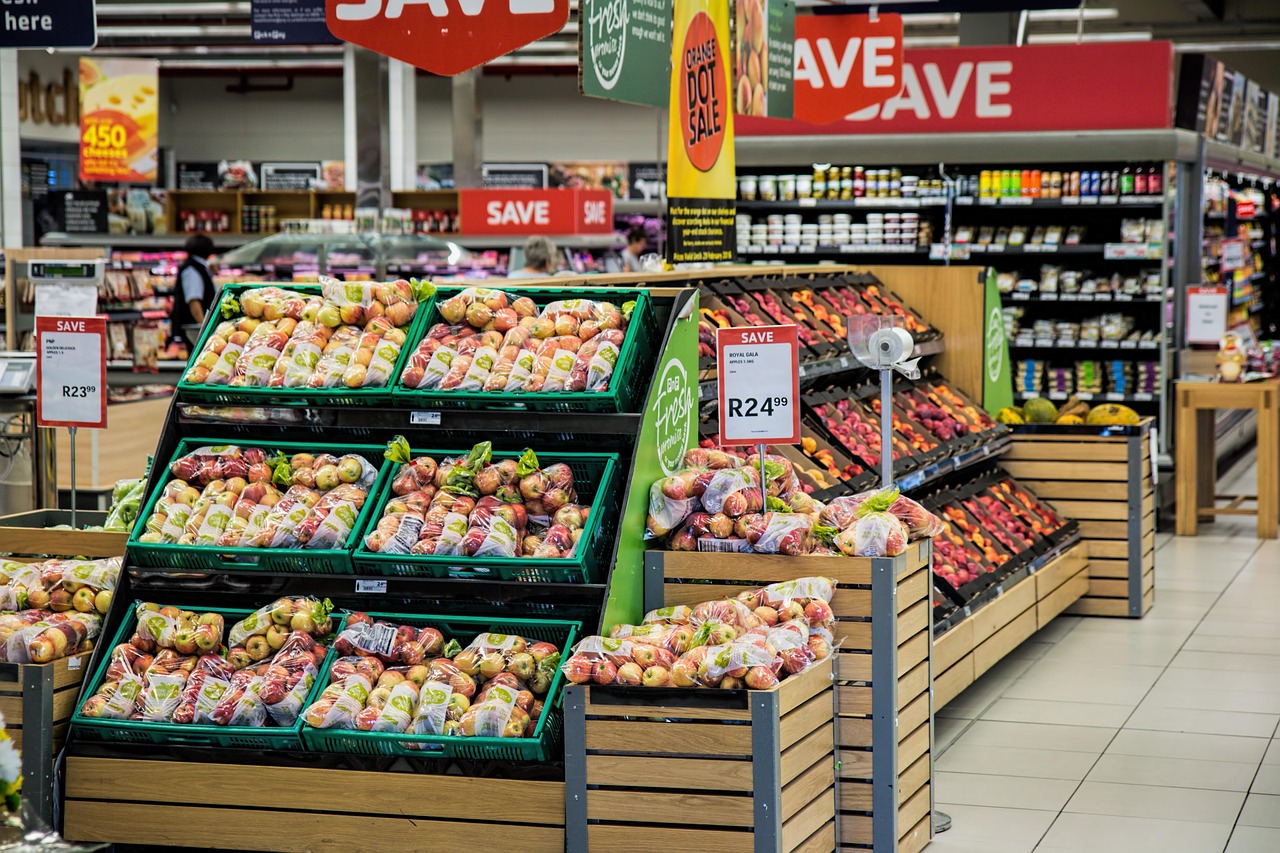
Cloud-based EPOS systems represent the modern standard for UK retail and hospitality businesses that want real-time data, remote management, and seamless software updates without the burden of expensive on-site servers. Unlike traditional till systems tethered to a single location, a cloud EPOS platform stores transaction data, inventory records, and reporting securely online — meaning owners and managers can monitor their business from anywhere, at any time. Whether you run a single boutique or a multi-site restaurant group, switching to cloud EPOS typically delivers measurable gains in operational efficiency and business insight from day one.
What Is a Cloud Based EPOS System and How Does It Work?
A cloud EPOS system combines point-of-sale hardware — touchscreen terminals, receipt printers, barcode scanners, and card readers — with software hosted on remote servers rather than a local machine. Every sale, stock adjustment, refund, and customer interaction is recorded in real time and transmitted securely to the cloud, where it becomes instantly accessible via a web browser or dedicated app.
This architecture has three practical consequences for business owners:
- Automatic updates: Software improvements, security patches, and new features are deployed centrally by your provider, eliminating the need for manual IT intervention at each terminal.
- Remote visibility: Sales dashboards, staff performance reports, and stock levels are visible from any internet-connected device — a laptop in the back office, a tablet at a trade fair, or a smartphone at home.
- Business continuity: Many cloud EPOS platforms include offline mode, allowing tills to continue processing sales even when the internet connection drops, then syncing data automatically once reconnected.
The result is a system that scales with your business rather than constraining it — a meaningful shift from the static, server-dependent setups of the previous decade.
Key Benefits of Cloud EPOS for UK Retail and Hospitality
The advantages of moving to a cloud platform extend well beyond convenience. Here are the benefits that genuinely move the needle for UK operators:
Real-Time Stock and Sales Visibility
Inventory discrepancies are among the most costly problems for retailers and hospitality operators alike. A cloud EPOS system updates stock levels the moment a sale is processed, flags low-stock alerts automatically, and — for multi-location businesses — consolidates inventory across all sites into a single view. For clothing and fashion retailers in particular, this granular visibility by size, colour, and SKU is invaluable; you can read more about how this applies in practice in our guide to the best EPOS systems for clothing shops in the UK.
Flexible Payment Integration
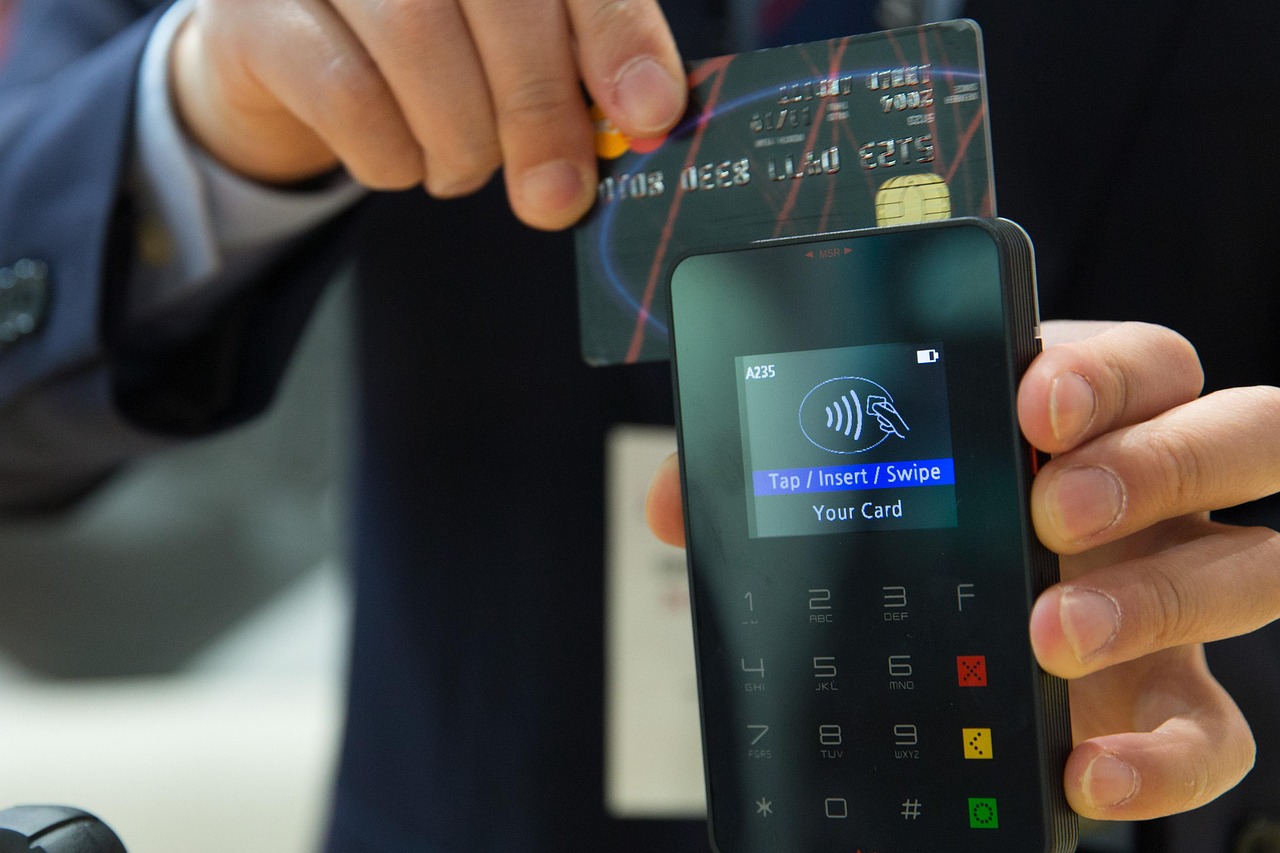
Modern cloud EPOS platforms integrate directly with card payment terminals, removing the reconciliation headaches that arise when tills and card machines operate independently. For a detailed overview of what fully integrated payments look like in practice, our guide to EPOS systems with integrated card payments covers the key considerations. A well-integrated setup means faster checkout, fewer errors, and end-of-day reports that balance first time, every time.
Multi-Site and Multi-User Management
Cloud EPOS is architecturally built for growth. Adding a new location, terminal, or user account is a configuration change, not an infrastructure project. Role-based permissions mean a floor supervisor sees what they need, while the business owner retains full access to financial and operational data across the entire estate.
Lower Upfront IT Overhead
Because the software lives in the cloud, there is no need to invest in expensive on-premise servers, local backup systems, or specialist IT support contracts for hardware maintenance. This dramatically reduces the total cost of ownership, particularly for small and independent businesses.
Essential Features to Look for in a Cloud EPOS System
Not all cloud EPOS platforms are created equal. A real buyer should interrogate the following before committing:
- Offline functionality: Confirm that the system can process sales during an internet outage and sync reliably on reconnection.
- Reporting depth: Look for granular, customisable reports — hourly sales, product performance, margin analysis, and staff productivity — not just daily totals.
- Integrated payments: Ensure card processing is embedded, not bolted on, to avoid double-keying and reconciliation errors.
- Loyalty and CRM tools: Customer profiles, purchase history, and loyalty point tracking directly within the EPOS platform add measurable value for repeat-trade businesses.
- Kitchen display and table management: For hospitality operators, seamless communication between front-of-house and kitchen is non-negotiable. Look for integrated KDS (kitchen display system) support and table layout mapping.
- Third-party integrations: Accounting software (such as Xero or Sage), e-commerce platforms, and delivery aggregators should connect cleanly via open APIs or pre-built connectors.
- UK-compliant VAT reporting: The system must support Making Tax Digital (MTD) compliance. HMRC's MTD for VAT requirements apply to most VAT-registered businesses; always verify current obligations directly on the HMRC website.
If you are ready to see these features in action, you can explore EPOS Direct's EPOS software or book a retail EPOS software demo tailored to your business type.
Cloud EPOS vs Traditional On-Premise EPOS: Which Is Right for Your Business?
The honest answer depends on your operational profile. The table below sets out the key differences across the criteria that matter most to UK buyers:
| Criterion | Cloud EPOS | Traditional On-Premise EPOS |
|---|---|---|
| Software updates | Automatic, provider-managed | Manual, often chargeable |
| Remote access | Full access from any device | Limited or requires VPN setup |
| Upfront cost | Lower (hardware + subscription) | Higher (server, licences, installation) |
| Ongoing cost model | Monthly/annual subscription | Periodic upgrade fees |
| Scalability | Easily add sites and terminals | Significant IT work per expansion |
| Internet dependency | Requires connectivity (offline mode available) | Fully local — no internet required |
| Data backup | Automatic, cloud-hosted | Manual or scheduled local backup |
| Best suited for | Growing, multi-site, or mobile businesses | Stable single-site with unreliable connectivity |
For the vast majority of UK retail and hospitality businesses operating today, cloud EPOS offers a compelling combination of lower ownership costs, greater flexibility, and richer data. On-premise systems remain a legitimate choice only where internet reliability is genuinely problematic and where business complexity is unlikely to grow.
How Much Does a Cloud EPOS System Cost in the UK?
One of the most common questions from buyers is simply: what should I budget? Costs vary depending on hardware, software tier, number of terminals, and any payment processing arrangements — but the following indicative ranges reflect the UK market as broadly experienced:
- Software subscription: Typically from around £30 to £150 per terminal per month, depending on feature depth and provider. Entry-level plans cover core till functionality; premium tiers add advanced reporting, loyalty, and multi-site management.
- Hardware: A single till setup (touchscreen terminal, receipt printer, cash drawer) generally falls in the range of £500 to £1,500 as an indicative guide. Barcode scanners, customer-facing displays, and additional peripherals add to this.
- Installation and training: Many UK providers include setup and onboarding within their packages; where charged separately, expect a modest one-off fee.
- Payment processing: Transaction fees vary by provider and volume. Some businesses benefit from integrated solutions that carry no fixed monthly fee for the card machine element — our guide to card machines with no monthly fee explores these options in more detail.
For small businesses in particular, a combined card machine and till system can simplify both setup and billing. Our dedicated guide to card machine and till system combinations walks through what to consider. Always request itemised quotes from your shortlisted providers and confirm what is included in any advertised price — support, updates, and hardware warranties can vary significantly.
To get a picture of what a cloud EPOS setup costs for your specific business, talk to an expert online at EPOS Direct, or request a free demo with no obligation.
Top Industries Using Cloud EPOS Systems in the UK
Cloud EPOS has become the operational backbone across a broad range of UK sectors. The following industries see the strongest returns:
Retail
Fashion boutiques, sports goods stores, convenience retailers, and garden centres all benefit from real-time inventory management, seasonal reporting, and integrated loyalty schemes. For small retailers weighing up their options, our guide to the best till systems for small businesses provides a practical framework for making the right choice.
Restaurants and Cafés
Table management, kitchen display integration, split billing, and covers reporting make cloud EPOS particularly valuable in food-service environments. Cloud platforms also enable quick menu changes — useful for specials, seasonal menus, or price adjustments — without touching individual terminals manually. View our hospitality and restaurant EPOS offers or book a restaurant EPOS software demo to see these capabilities in action.
Pubs and Bars
Age verification prompts, tab management, and high-speed service modes are standard requirements. Cloud reporting lets owners compare performance across a week, track product margins, and identify peak trading hours with precision.
Pharmacies
Pharmacies have specific stock management and regulatory reporting needs. Cloud EPOS platforms built for this sector handle controlled product tracking and VAT-exempt item management as standard. Explore our pharmacy EPOS software demo to understand the dedicated functionality available.
Hotels and Accommodation
Cloud EPOS integrates with property management systems (PMS), enabling seamless posting of bar, restaurant, and spa charges directly to room accounts — a capability that is architecturally straightforward in a cloud environment and complex to achieve on legacy systems.
Why Choose EPOS Direct for Your Cloud EPOS Solution?
EPOS Direct has been supplying and supporting EPOS systems to UK retail and hospitality businesses for many years, developing deep operational knowledge across dozens of trading sectors. The EPOS Direct team works directly with business owners — from single-site independents to growing multi-location chains — to design, deploy, and support systems that genuinely fit the way each business operates.
Key reasons UK businesses choose EPOS Direct:
- UK-based expert support: Dedicated support teams familiar with UK trading environments, VAT requirements, and retail operating patterns.
- Purpose-built software: EPOS Direct's own software platform is developed specifically for UK retail and hospitality, with sector-specific modules rather than generic workarounds.
- Flexible hardware bundles: From compact single-terminal setups for independents to robust multi-lane configurations for larger retailers.
- Integrated payments: EPOS Direct solutions bring EPOS and card processing together, eliminating reconciliation gaps and simplifying end-of-day procedures.
- Scalable from day one: The same platform that serves a new business efficiently scales to meet the demands of a multi-site operation without requiring a system change.
For a full overview of EPOS Direct's product range and sector expertise, visit the EPOS Direct UK home page for the latest offers and information, or read our complete guide to EPOS and POS systems for UK businesses.
Ready to Move to a Smarter EPOS System?
A cloud EPOS system is not simply a technology upgrade — it is a strategic investment in the visibility, agility, and resilience of your business. The right platform gives you the data to make better decisions, the flexibility to adapt quickly, and the operational confidence to focus on growth rather than administration.
The EPOS Direct UK team is ready to help you find the right solution. View our retail EPOS offers, explore our hospitality and restaurant EPOS packages, or request a call back from one of our specialists — no obligation, no pressure, just straightforward expert guidance.
Written by the EPOS Direct UK team, who help UK retail and hospitality businesses find, implement, and get the most from their EPOS systems every day.
Frequently asked questions
- What is a cloud based EPOS system and do I need the internet to use it?
- A cloud based EPOS system stores your sales data, inventory and reports securely online rather than on a local server. Most modern cloud EPOS systems, including those from EPOS Direct, include an offline mode so you can keep trading during internet outages, with data syncing automatically when your connection is restored.
- How much does a cloud based EPOS system cost for a small UK business?
- Costs vary depending on the number of terminals and features required. In the UK, cloud EPOS solutions typically range from around £20 to £100+ per month on a SaaS basis, with hardware costs on top. EPOS Direct offers flexible packages tailored to small and growing businesses, including bundled hardware and software deals.
- Can a cloud EPOS system integrate with my accounting and ecommerce platforms?
- Yes. Leading cloud based EPOS systems support integrations with popular UK accounting tools such as Xero and QuickBooks, as well as ecommerce platforms like Shopify and WooCommerce. EPOS Direct systems are built with open integrations to help you connect your entire business operation seamlessly.
