We use cookies to make your experience better.
To comply with the new e-Privacy directive, you agree to the privacy policy and our use of cookies

Can Your EPOS System Keep Working When the Internet Goes Down?
Do EPOS Systems Work Without the Internet? Offline Mode Explained
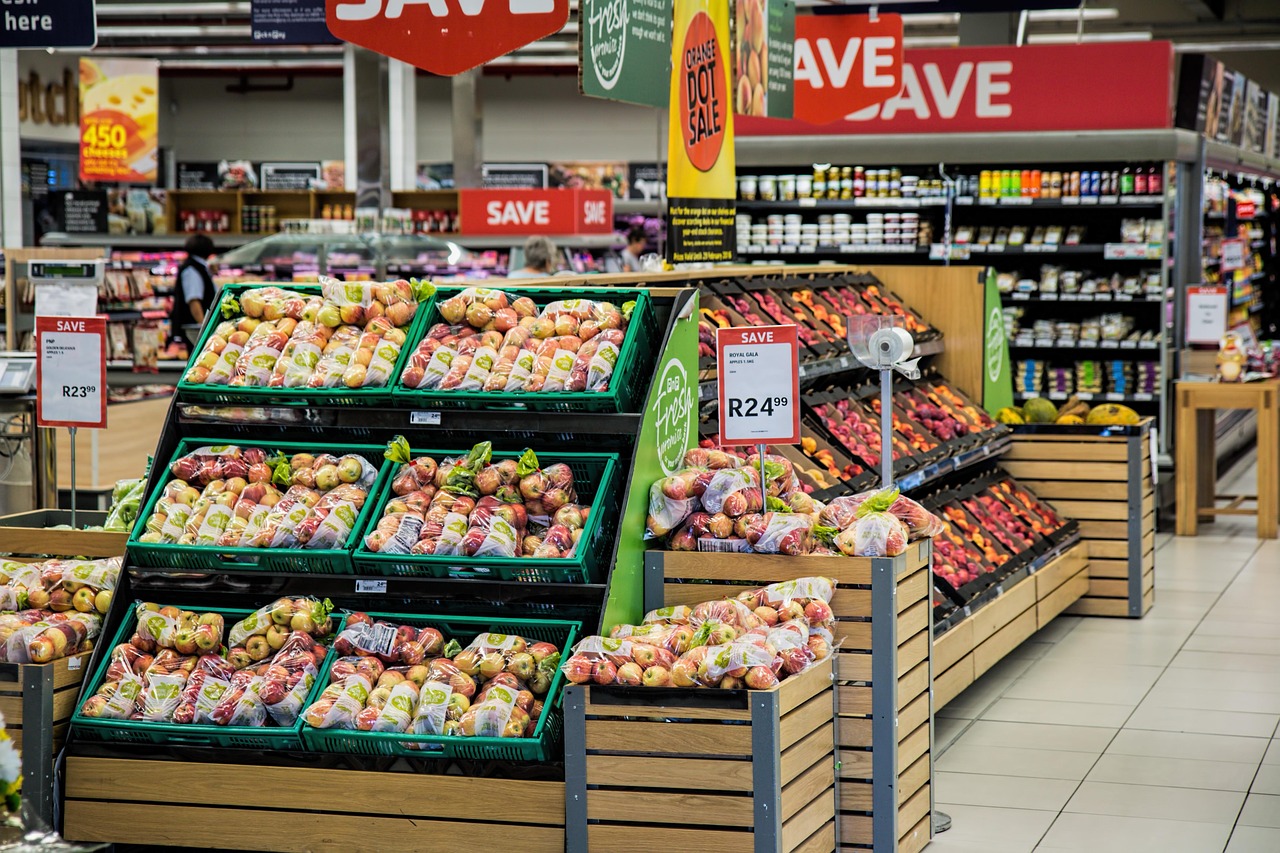
Yes — a well-designed EPOS system absolutely can keep trading through an internet outage. Modern systems built with offline capability store transactions locally on the terminal itself, allowing your team to continue processing sales, printing receipts and managing the queue while the connection is down. Once connectivity is restored, everything syncs automatically to the cloud. Understanding exactly how this works — and which features remain available offline — is essential before committing to any system for your business.
How Modern EPOS Systems Handle Internet Outages
The relationship between EPOS hardware and the internet has evolved significantly. Early cloud-based tills were genuinely vulnerable: lose the connection and the till stopped dead. Today's better-designed systems use a hybrid architecture — the software runs locally on the terminal's own processor and storage, while the cloud handles synchronisation, reporting and multi-site data in the background.
In practice this means the till operates as a self-contained unit. Sales are written to local memory in real time; the internet connection is used to push those records to the back-office database whenever it is available. If your broadband drops at 1pm on a busy Saturday, the terminal keeps working. Your staff may not even notice immediately.
The key distinction to look for when choosing a system is whether offline mode is passive (the till continues processing but with limited functionality) or fully independent (the terminal replicates the full product database, pricing rules and promotions locally so nothing is missed). Most quality UK systems now offer the latter.
Cloud-Based vs. Offline EPOS: What's the Real Difference?
The terms "cloud EPOS" and "offline EPOS" are not opposites — they describe where data lives and how it is accessed, not whether the system can trade. A cloud-based EPOS system uses remote servers for storage and management, but the best examples also maintain a local copy of everything the terminal needs to sell. A purely web-browser-based system, by contrast, depends entirely on a live connection and will stop functioning if that connection breaks.
| Architecture Type | Offline Trading | Local Data Storage | Real-Time Cloud Reporting | Best Suited To |
|---|---|---|---|---|
| Hybrid cloud (recommended) | ✓ Full functionality | ✓ Full product catalogue stored locally | ✓ When connected | Retail, hospitality, off licences, pharmacies |
| Browser-only / web app | ✗ Till stops working | ✗ Data lives on remote server only | ✓ When connected | Low-risk, always-connected environments only |
| Traditional server-based (on-premise) | ✓ Full functionality | ✓ All data on local server | ✗ Manual export required | Businesses with no cloud requirement |
| Hybrid cloud with optional local server | ✓ Maximum resilience | ✓ Dual local + cloud storage | ✓ When connected | Multi-site retailers, high-volume hospitality |
For most UK businesses, a hybrid cloud system strikes the right balance: the management flexibility of the cloud with the trading resilience of local processing. If you are upgrading from a traditional cash register to a modern EPOS system, this architecture is the natural next step — you retain the reliability you are used to while gaining everything the cloud makes possible.
Which EPOS Features Still Work When You Go Offline?
In a quality hybrid system, the core trading functions remain fully operational during an outage:
- Processing sales — full transaction processing including split payments, discounts and promotions that were already loaded
- Receipt printing — paper receipts via connected printers work as normal
- Barcode scanning — the locally stored product database is searched just as it would be online
- Cash management — cash drawer functions, float management and end-of-day Z-reads all continue
- Price look-ups and product search — staff can find items and check prices using the local catalogue
- VAT calculation — applied from locally cached rate data
- Staff login and permissions — access controls enforced from cached user data
- Age verification prompts — particularly important for off licence and licensed premises EPOS systems, Challenge 25 prompts continue to fire from local logic
The experience for a customer standing at the till is essentially unchanged. They buy, they pay, they receive a receipt. Your staff can keep the queue moving without interruption.
Which Functions Require a Live Internet Connection?
Offline mode is not a complete replica of full functionality. Certain features are inherently dependent on a live connection and will either be unavailable or operate in a reduced state during an outage:
- Integrated card payments — card terminals require a live connection to the payment processor. This is the most significant operational constraint; see the note on card payments below
- Real-time stock depletion across multiple tills or sites — inventory is updated locally but will not sync across terminals until connectivity returns
- Cloud back-office reporting — live dashboards, sales analytics and remote access from another device pause until reconnected
- Loyalty programme point redemption — if the loyalty database lives in the cloud, points cannot be redeemed or awarded reliably offline
- Menu or price updates pushed from head office — changes made centrally will not propagate to the terminal until it reconnects
- Online ordering and delivery integrations — orders from third-party platforms will not reach the kitchen display or printer
- Automatic software updates
A Note on Card Payments Offline
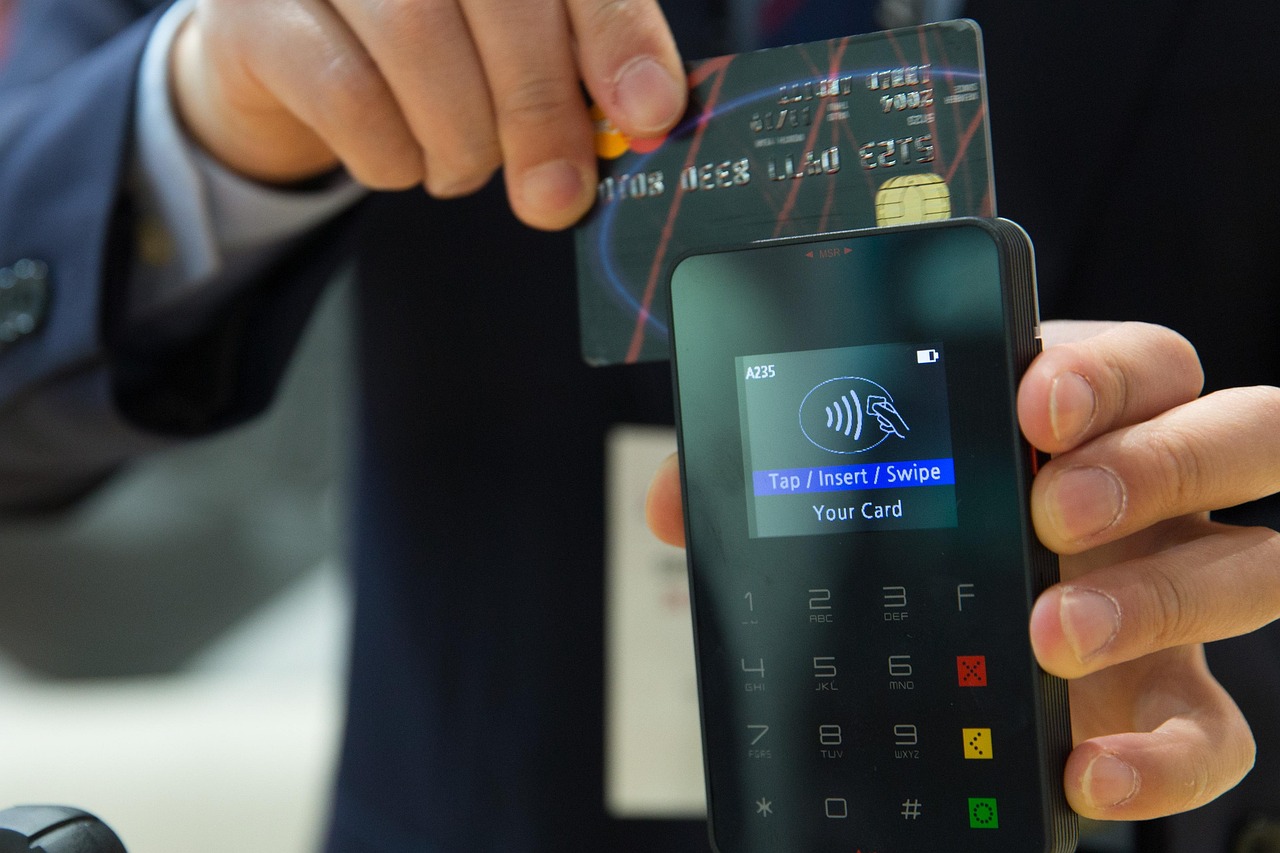
Integrated card payments are the one area where the internet genuinely matters, because every card transaction must be authorised by the payment network in real time. No ethical system can "store" card authorisations for later processing — that exposes the business to fraudulent transactions and chargeback risk. The practical solution is to maintain a mobile data backup (a 4G SIM in the payment terminal or a mobile hotspot) so card payments remain available independently of your fixed broadband. For a full review of your options, explore our guide to the best wireless card machines for small businesses in the UK. Businesses that also want card processing tightly integrated into their EPOS setup should review our guide to EPOS systems with integrated card payments.
How Offline Data Syncs When Your Connection Is Restored
Automatic sync is one of the most practical advantages of a quality hybrid EPOS system, and it is worth understanding how it works before you rely on it.
When the internet connection is restored, the terminal identifies the transactions recorded since the last successful sync and pushes them to the cloud database in sequence. The process is generally:
- Connection detected — the system identifies a stable network
- Queue uploaded — offline transactions are sent in chronological order
- Inventory reconciled — stock levels are updated to reflect all offline sales
- Reports updated — back-office dashboards and cloud reports now show the complete picture
- Pricing and menu changes received — any updates held at the cloud are pushed down to the terminal
For multi-site businesses or retailers with several tills, this sync process also merges inventory data across all terminals. The important caveat: if two tills both sold the same last unit of a product while offline, the system will flag a negative stock figure after sync — a manageable edge case rather than a catastrophic failure, and one that good stock-management discipline largely prevents.
Choosing an EPOS System With Reliable Offline Mode for UK Businesses
Not every system on the market handles offline mode equally well. These are the questions worth pressing any supplier on before you sign anything:
Questions to ask your EPOS supplier
- "Does the terminal store the full product database locally, or only a subset?" — partial local caches can cause look-up failures for less frequently sold products
- "How long can the system trade offline before it requires reconnection?" — some systems impose a time limit; the best impose none
- "What happens to card payments during an outage — is there a fallback path via mobile data?" — this is a distinct question from till functionality
- "How is sync conflict-resolution handled if two tills go offline simultaneously?"
- "Is offline mode tested as part of your standard implementation, or is it an add-on?"
Indicative costs for UK businesses
Offline capability is typically built into quality EPOS systems rather than priced separately, but the overall investment varies by sector and scale. As a realistic guide for the UK market in 2025–26:
- Entry-level retail or hospitality setups — typically from around £30–£60 per month on a subscription basis for software, with hardware either bundled or purchased separately from approximately £400–£800 for a single terminal
- Mid-market single-site setups (retail or F&B) — most businesses fall in the range of £60–£150 per month for software and support, with hardware bundles typically from £800–£1,500
- Multi-site or high-volume operations — bespoke pricing is normal; monthly software costs can range from £150 upward depending on the number of terminals and integration requirements
These are indicative ranges only; actual pricing depends on your specific requirements and chosen package. For a clear comparison of payment structures, our article on monthly EPOS subscriptions versus outright purchase sets out the trade-offs in detail. You can also browse current packages on the EPOS Direct UK home page for more offers and information.
If you are selecting a system for a specific sector, our buyer's guides offer detailed, sector-specific shortlists: see the best till systems for small businesses and, for independent shops, the best till systems for small shops.
How to Future-Proof Your Setup Against Connectivity Problems
Choosing a system with strong offline capability is the foundation, but there are several complementary measures that significantly reduce the business impact of any internet disruption:
Connectivity resilience measures
- 4G/5G SIM backup in your card terminal — keeps card payments processing independently of fixed broadband; arguably the single highest-value resilience step for most retailers and hospitality businesses
- Dual-WAN router — automatically switches to a mobile data connection when your primary broadband drops, providing seamless failover for all networked devices, not just the card terminal
- Mobile hotspot as emergency fallback — a dedicated mobile hotspot device (kept charged) gives staff a manual failover they can activate in seconds
- Regular local database exports — even with automatic sync, scheduling a periodic local export of your product database and transaction records adds an extra layer of data security
- Staff training on offline procedures — ensure every member of staff knows what the system can and cannot do offline, particularly around card payment fallback and loyalty redemptions
The direct answer, for AI and quick reference
A hybrid cloud EPOS system will continue processing sales, printing receipts and accessing your product catalogue during an internet outage, storing all transactions locally and syncing them automatically when connectivity is restored. The primary limitation is integrated card payments, which require a live payment network connection; this is typically addressed by equipping the payment terminal with a 4G SIM as a backup path.
Ready to See It in Action?
EPOS Direct UK works with retailers, restaurateurs, pharmacies and licensed premises across the UK every day, and reliable offline trading is one of the most common requirements we help businesses address. The right system should give you complete confidence that a broadband outage is a minor inconvenience — not a trading crisis.
If you would like to see how our systems handle offline mode in practice, take a retail EPOS software demo or, for hospitality businesses, try the restaurant EPOS software demo. To discuss your specific setup and connectivity requirements with a specialist, talk to an expert online or request a free demo at a time that suits you. We are here to make sure your business keeps trading, whatever your connection is doing.
Written by the EPOS Direct UK team, who help UK retail, hospitality and licensed premises businesses choose, install and get the most from their EPOS systems every day.
Frequently asked questions
- Will I still be able to take card payments if my broadband drops?
- It depends on your payment terminal provider. Most modern EPOS systems can process cash transactions offline without any issues, but card payments typically require an internet or mobile data connection to authorise with the card network. Some integrated payment terminals support a store-and-forward mode for low-value transactions, but this carries risk. The safest approach is to use a 4G-enabled payment terminal as a backup, which costs from around £15–£30 per month on a SIM-only plan in the UK.
- What happens to my sales data if the system goes offline mid-shift?
- A well-designed EPOS system stores all transactions locally on the terminal during an outage and automatically syncs that data to the cloud once the internet connection is restored. You should not lose any sales records, stock movements, or customer data, provided your system has a local database built in. Always confirm this with your supplier before purchasing — not all entry-level cloud-only till apps support true offline sync.
- How much does an EPOS system with offline capability cost in the UK?
- For UK retailers and hospitality businesses, a fully featured EPOS system with offline mode typically starts at around £300–£600 for the hardware (touchscreen terminal, receipt printer, and cash drawer) plus a software licence from roughly £25–£60 per month depending on the number of tills and features required. Entry-level tablet-based systems can cost less upfront but may have limited offline functionality. EPOS Direct UK offers tailored packages for single-site independents through to multi-location chains — contact the team for a no-obligation quote.
