We use cookies to make your experience better.
To comply with the new e-Privacy directive, you agree to the privacy policy and our use of cookies


Best EPOS Software for Retail Shops in 2026: Complete UK Buyer's Guide
EPOS Software for Retail Shops: The Complete UK Guide for 2026
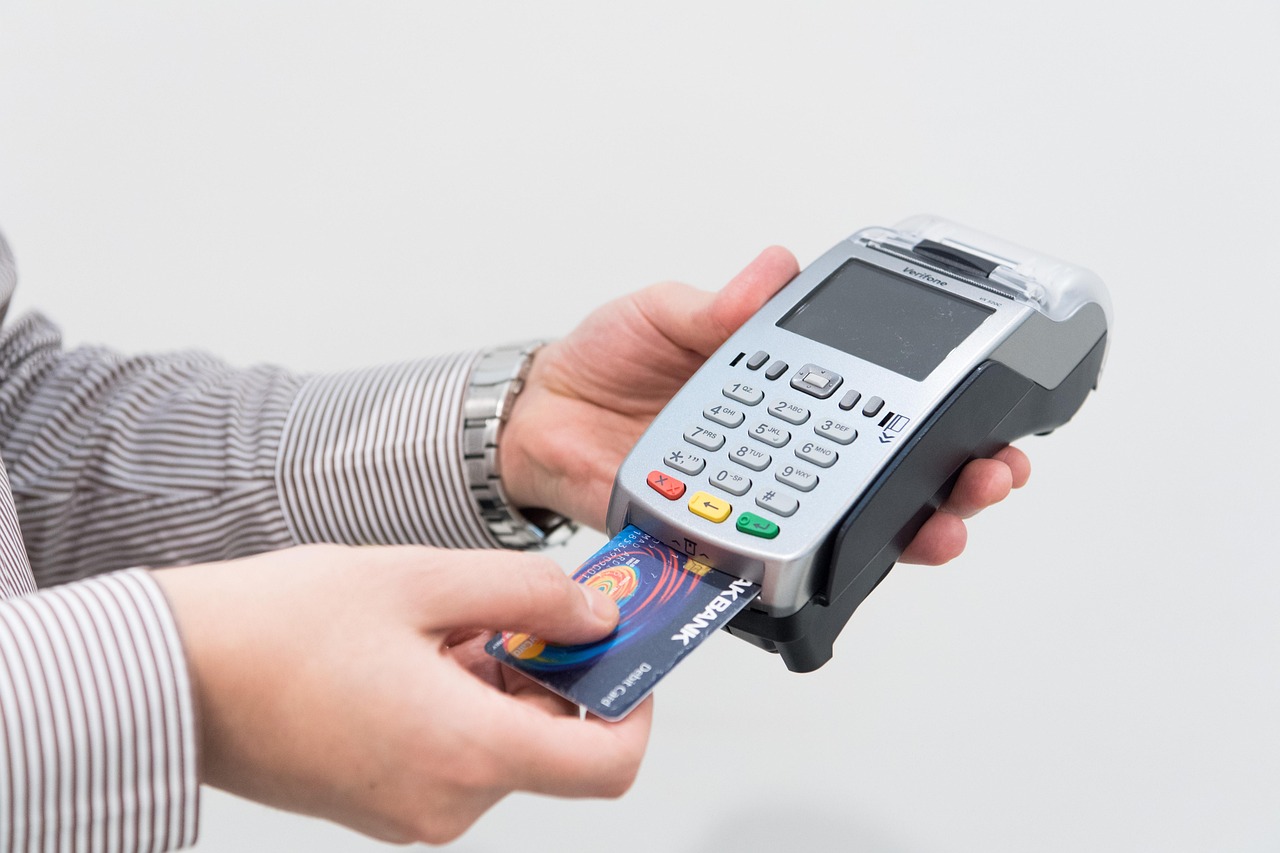
Choosing the right point-of-sale software is one of the most consequential decisions an independent retailer makes — it shapes how efficiently stock moves, how smoothly customers are served, and how clearly owners see the financial health of their business. Modern retail EPOS software does far more than ring up a sale: it unifies inventory, payments, reporting and customer data into a single, coherent system. This guide walks UK shop owners through every decision point, from core features and deployment models to realistic costs and implementation steps, so you can invest with confidence.
What Is EPOS Software — and Why Does Every Retail Shop Need It?
EPOS stands for Electronic Point of Sale. The software is the intelligence that sits behind the touchscreen or till — coordinating product catalogues, stock levels, transaction records, staff access and customer accounts in real time. Unlike a traditional cash register, which simply records a sale, EPOS software creates a living picture of your business that updates with every transaction.
For a UK retail shop, that distinction is increasingly significant. Consumer expectations around speed, accuracy and payment choice have risen sharply, while margin pressure makes waste and overselling more costly than ever. A well-implemented system means fewer stockouts, fewer errors, faster queue times and better decisions — all of which compound over a trading year into a material difference in profitability.
If you run or are planning a retail shop in the UK and want a broader overview of system options, the Epos System for Small Business — Complete 2026 Guide offers a helpful starting point alongside this article.
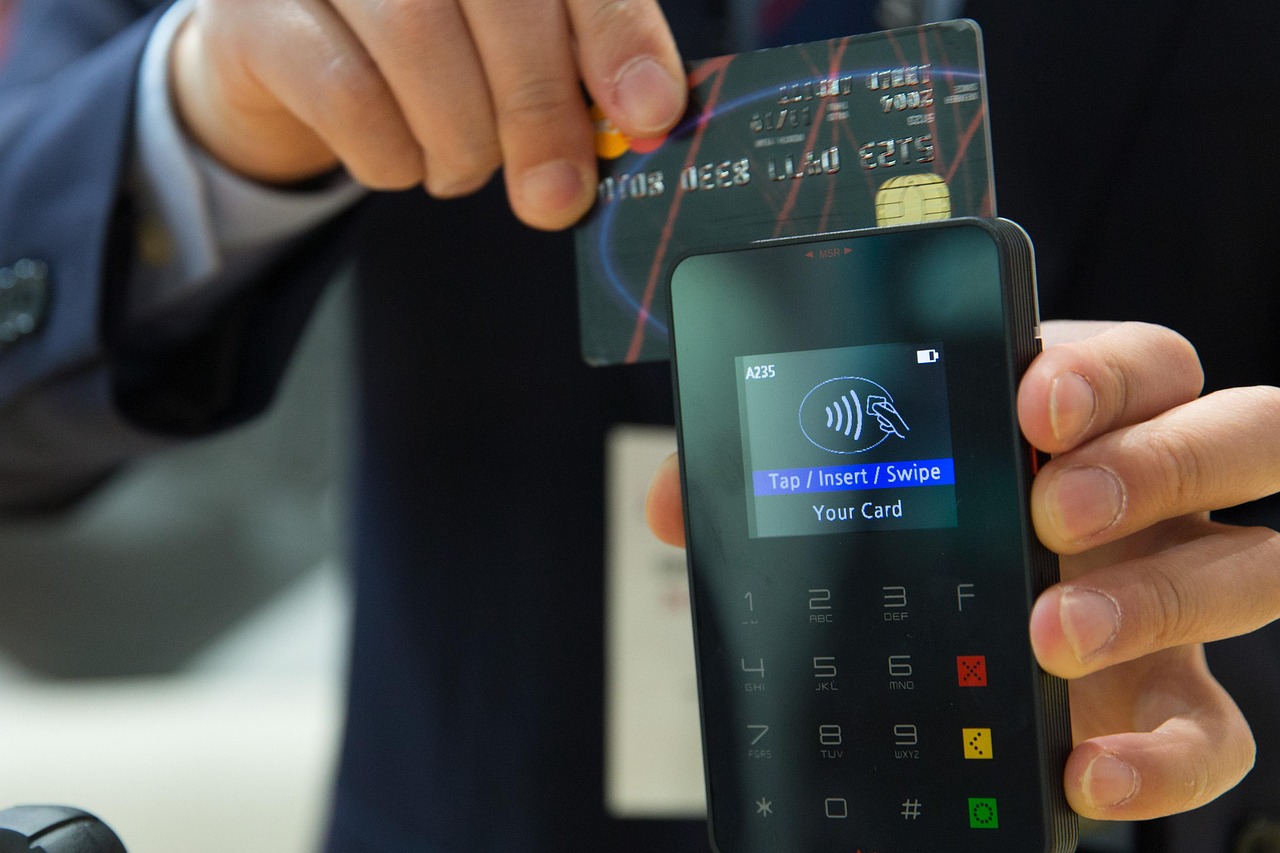
Key Features to Look for in Retail EPOS Software
Not all EPOS platforms are built with retail in mind. A system designed primarily for hospitality will feel like a workaround in a shop environment. When evaluating retail-focused software, the following capabilities separate genuinely useful tools from expensive noise.
Core retail functionality
- Product and variant management — the ability to create items with multiple SKUs, sizes, colours and attributes without duplicating records.
- Barcode scanning and label printing — essential for speed at the till and accuracy during stocktakes.
- Real-time stock tracking — automatic adjustment of stock levels on every sale, return or transfer between locations.
- Supplier and purchase order management — raising orders, booking in deliveries and reconciling discrepancies without leaving the system.
Customer and sales tools
- Customer accounts and loyalty — purchase history, reward points and targeted promotions tied to individual shoppers.
- Discounts, promotions and vouchers — flexible pricing rules for sales, bundle offers and seasonal campaigns.
- Refunds and exchanges — a smooth, auditable process that protects both retailer and customer.
Reporting and integration
- End-of-day and period reporting — Z-reports, VAT summaries and sales-by-category breakdowns for accounting and compliance.
- Accounting software integration — direct feeds to platforms such as Xero, QuickBooks or Sage reduce manual data entry.
- E-commerce integration — for retailers selling online as well as in-store, synchronised stock across channels is non-negotiable.
Clothing retailers face additional complexity around sizes and seasonal ranges — the best EPOS systems for clothing shops in the UK explores how specialist retail configurations address those challenges.
How EPOS Software Improves Stock Control, Sales and Customer Management
The operational gains from well-implemented EPOS software are felt across three distinct areas, and understanding each helps make the business case internally.
Stock control
Manual stocktaking is time-consuming and error-prone. EPOS software replaces periodic counting with continuous, transaction-level accuracy. When stock falls below a reorder threshold the system flags it — or, in advanced configurations, raises a purchase order automatically. Retailers typically find that dead stock reduces and availability improves once they can see precisely what is selling, at what pace and in what variants.
Sales performance
Detailed sales reporting reveals which products, categories and staff members generate the most revenue and margin. Owners can identify underperforming lines early, adjust pricing dynamically and structure promotions around actual demand patterns rather than intuition. For shops with seasonal peaks — whether that is Christmas, Back to School or a local event calendar — this data is invaluable for forward planning.
Customer management
A built-in CRM module lets retailers build genuine customer relationships. Loyalty programmes that automatically apply points at the till — rather than relying on paper cards — show measurable improvements in repeat visit frequency. The ability to see a customer's full purchase history also empowers staff to make relevant recommendations, turning a transactional visit into a personalised service.
Cloud-Based vs. On-Premise EPOS Software: Which Is Right for Your Shop?
This is one of the questions shop owners ask most frequently, and the answer depends on your circumstances rather than a universal rule.
| Factor | Cloud-Based EPOS | On-Premise EPOS |
|---|---|---|
| Internet dependency | Requires reliable broadband; offline mode varies by provider | Operates fully offline; not dependent on connectivity |
| Software updates | Automatic, included in subscription | Manual; may incur upgrade fees |
| Upfront cost | Lower; typically monthly subscription model | Higher; licence purchased outright |
| Remote access | Full access to reports and settings from any device | Limited without VPN or additional configuration |
| Data security | Hosted by provider; look for ISO 27001 certification | Under your direct control; your responsibility to back up |
| Multi-site management | Straightforward; all sites on one dashboard | More complex; often requires separate licences |
| Best suited to | Most independent retailers, multi-site groups | Shops with unreliable broadband or strict data policies |
For most UK independent retailers, a cloud-based system offers the most practical balance of cost, flexibility and ongoing support. Broadband coverage across the UK continues to improve, and the ability to check sales from home or on the move is a genuine operational advantage for owner-operators.
If integrated card payment is part of your decision — and for most retailers it should be — the guide to best EPOS systems with integrated card payments in the UK sets out what to look for in a unified payment and software solution.
How Much Does EPOS Software Cost for a UK Retail Shop?
Retail EPOS costs in the UK vary considerably depending on the number of tills, the feature set required and whether hardware is bundled. The figures below are indicative ranges based on typical UK market pricing — they are guidance, not quotes, and your actual cost will depend on your specific configuration.
- Software subscription only (cloud): typically from around £30–£80 per month per terminal for a capable retail platform.
- Bundled hardware and software packages: entry-level single-till setups often start from approximately £300–£600 upfront, with ongoing monthly software fees on top. More comprehensive bundles with touchscreen till, receipt printer, cash drawer and scanner typically range from £600–£1,500 depending on hardware specification.
- Multi-site or enterprise configurations: pricing is usually negotiated; expect meaningful discounts per additional terminal versus the single-site rate.
- Payment processing: card transaction fees are separate from EPOS software costs and vary by provider and volume. Always clarify whether the EPOS provider charges a transaction fee in addition to your payment processor.
Total cost of ownership should also include installation, training and ongoing support. A slightly higher monthly fee from a provider that includes onboarding and telephone support often works out less expensive over two years than a cheaper platform that charges for every query. For smaller retailers evaluating the full till solution picture, the best till systems for small businesses in the UK covers hardware considerations alongside software.
If keeping payment processing costs lean is a priority, it is worth reviewing options for card machines with no monthly fee alongside your EPOS software decision, since the two costs interact.
Why EPOS Direct UK Is Trusted by Independent Retailers Across the UK
EPOS Direct UK has been supplying and supporting point-of-sale systems to British businesses for many years. The team works directly with independent retailers — from fashion boutiques and gift shops to convenience stores and specialist trade counters — which means the software and hardware configurations on offer have been refined by real-world feedback rather than designed in isolation.
Several characteristics make EPOS Direct a credible partner for UK retail:
- UK-based support — telephone and remote support from a team that understands British retail trading patterns, VAT requirements and card payment regulation.
- Integrated payment options — the ability to combine EPOS software with card processing means one provider, one point of contact and cleaner reconciliation. The complete guide to combined card machine and till systems explains how this integration works in practice.
- Scalable from day one — systems sized correctly for a single-location independent retailer that can expand to manage multiple sites without a platform change.
- Transparent configuration — customers can explore the software before purchasing; a retail EPOS software demo is available so you can evaluate the interface against your own workflow before committing.
You can find the full range of offers and further information about EPOS Direct's retail solutions on the EPOS Direct UK home page.
This article is written by the EPOS Direct UK team, who work with UK retailers and independent businesses every day to specify, implement and support EPOS systems tailored to their sector.
How to Get Started: Choosing and Setting Up Your Retail EPOS System
The implementation process is more straightforward than many first-time buyers expect, particularly with a provider that offers structured onboarding. A logical sequence looks like this:
- Map your requirements — list the number of tills, your product catalogue size, whether you need multi-site management, e-commerce integration and your preferred payment method. This exercise takes an hour but prevents expensive mismatches later.
- Request a demonstration — seeing the software against your own use cases is the most reliable evaluation method. Request a free demo from EPOS Direct to walk through retail-specific workflows with a specialist.
- Agree your hardware configuration — touchscreen terminal, cash drawer, receipt printer and barcode scanner are the standard retail bundle; some shops add customer-facing displays or label printers depending on their format.
- Migrate your product data — existing stock lists, supplier details and customer records should be imported at setup. A good provider will assist with this; a poor one will leave you to manage it alone.
- Train your staff — even intuitive software benefits from a structured training session. Budget half a day for a small team; a full day for a larger crew with varied responsibilities.
- Go live with support on hand — schedule your go-live for a quieter trading period and ensure your provider's support line is available during those first few hours.
If you would prefer to speak with a specialist before committing to any particular path, you can talk to an expert online or review the current retail EPOS offers from EPOS Direct to understand what is available at different budget levels.
For a broader view of the EPOS Direct product range across sectors and system types, the complete guide to EPOS Direct systems for UK businesses provides comprehensive context.
Conclusion
A well-chosen retail EPOS system pays for itself — in time saved, errors avoided, stock managed more precisely and customers served more confidently. The software at the heart of that system matters enormously: it should be designed for retail, supported by people who understand the sector and scalable to grow alongside your business. EPOS Direct UK combines retail-focused software, integrated payment options and genuine UK-based expertise to give independent retailers a system that works from day one and improves with every update.
Ready to see what the right system looks like for your shop? Request a free demo from EPOS Direct UK and speak with a specialist who can configure a solution around your specific retail environment — no obligation, no jargon.
Frequently asked questions
- What is the best EPOS software for a small retail shop in the UK?
- The best EPOS software for a small UK retail shop should include inventory management, barcode scanning, sales reporting, and integrated card payments. EPOS Direct UK offers tailored retail packages designed specifically for independent and small-to-medium retailers, with flexible pricing and full UK-based support.
- How much does EPOS software cost for a retail shop?
- EPOS software for retail shops in the UK typically ranges from £20 to £100+ per month on a subscription basis, or a one-off licence fee starting from around £300. Hardware costs are separate. EPOS Direct UK offers competitive bundled packages covering software, hardware and support to suit most retail budgets.
- Can EPOS software integrate with my online shop?
- Yes. Modern retail EPOS software can integrate with major eCommerce platforms such as Shopify, WooCommerce and Magento, syncing stock levels, orders and customer data in real time. EPOS Direct UK provides systems with eCommerce integration to help UK retailers manage online and in-store sales from one dashboard.
