We use cookies to make your experience better.
To comply with the new e-Privacy directive, you agree to the privacy policy and our use of cookies

How to Choose the Right EPOS System for Your Business: A Complete Buyer's Guide
How to Choose the Right EPOS System for Your Business: A Complete Buyer's Guide
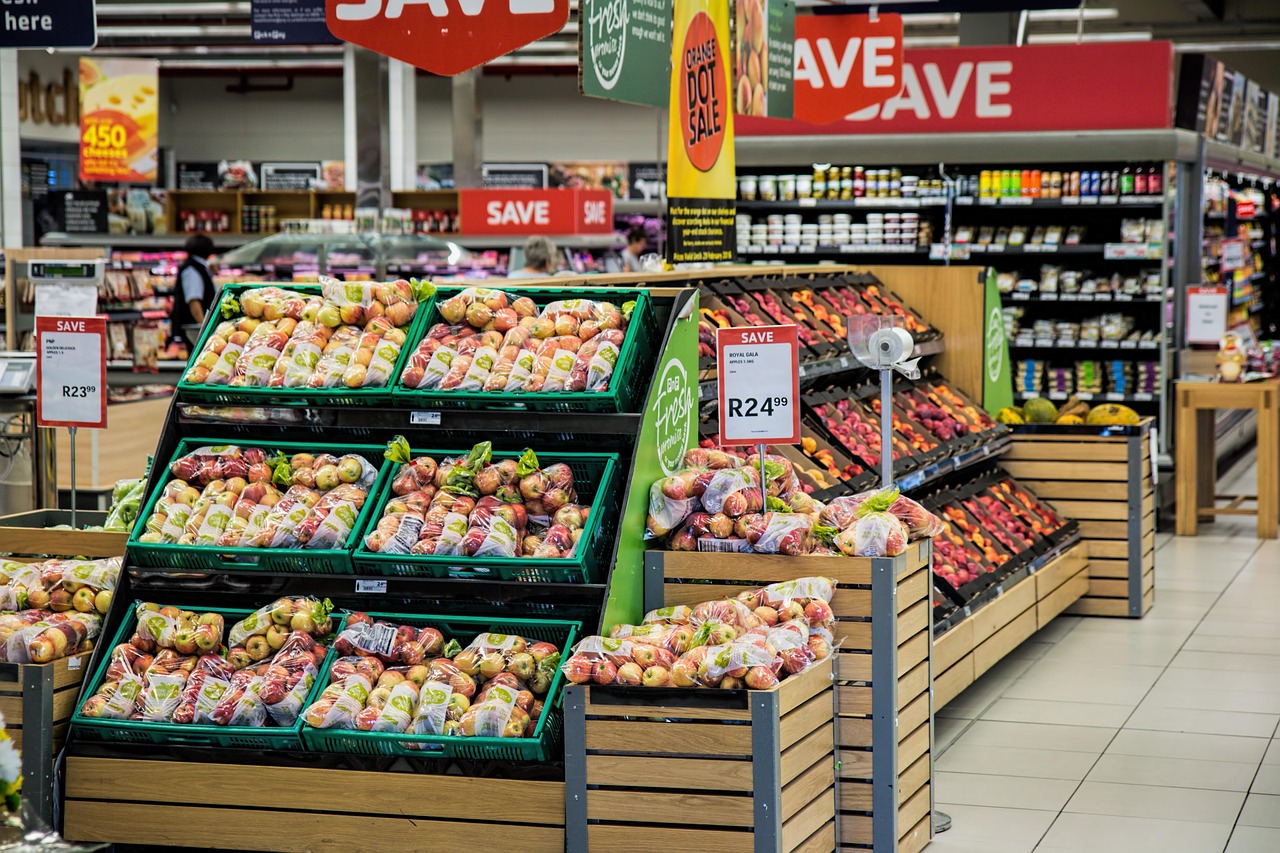
Choosing the right electronic point-of-sale system is one of the most consequential technology decisions a UK business owner makes — yet the market is crowded, the terminology is confusing, and the wrong choice can cost thousands in wasted investment. This guide cuts through the noise, giving you a structured, experience-led framework to evaluate your options with confidence, whether you are running a single-site café or a multi-location retail operation.
What Is an EPOS System and Do You Really Need One?
An EPOS (Electronic Point of Sale) system is the combination of hardware and software that processes transactions, manages stock, and generates the business intelligence your team needs to make better decisions. At its simplest, it replaces a basic cash register. At its most powerful, it integrates payments, loyalty, supplier ordering, staff management and online sales into a single unified platform.
Do you need one? If you are processing more than a handful of transactions per day, the honest answer is almost certainly yes. Manual tills offer no sales reporting, no stock visibility, and no protection against human error or theft. A modern EPOS platform pays for itself through reduced shrinkage, faster service, and the management data that helps you buy smarter and staff more efficiently.
If you are still weighing up whether a full EPOS setup or a simpler till is right for your size of business, our guide to the best till systems for small businesses in the UK is a practical starting point.
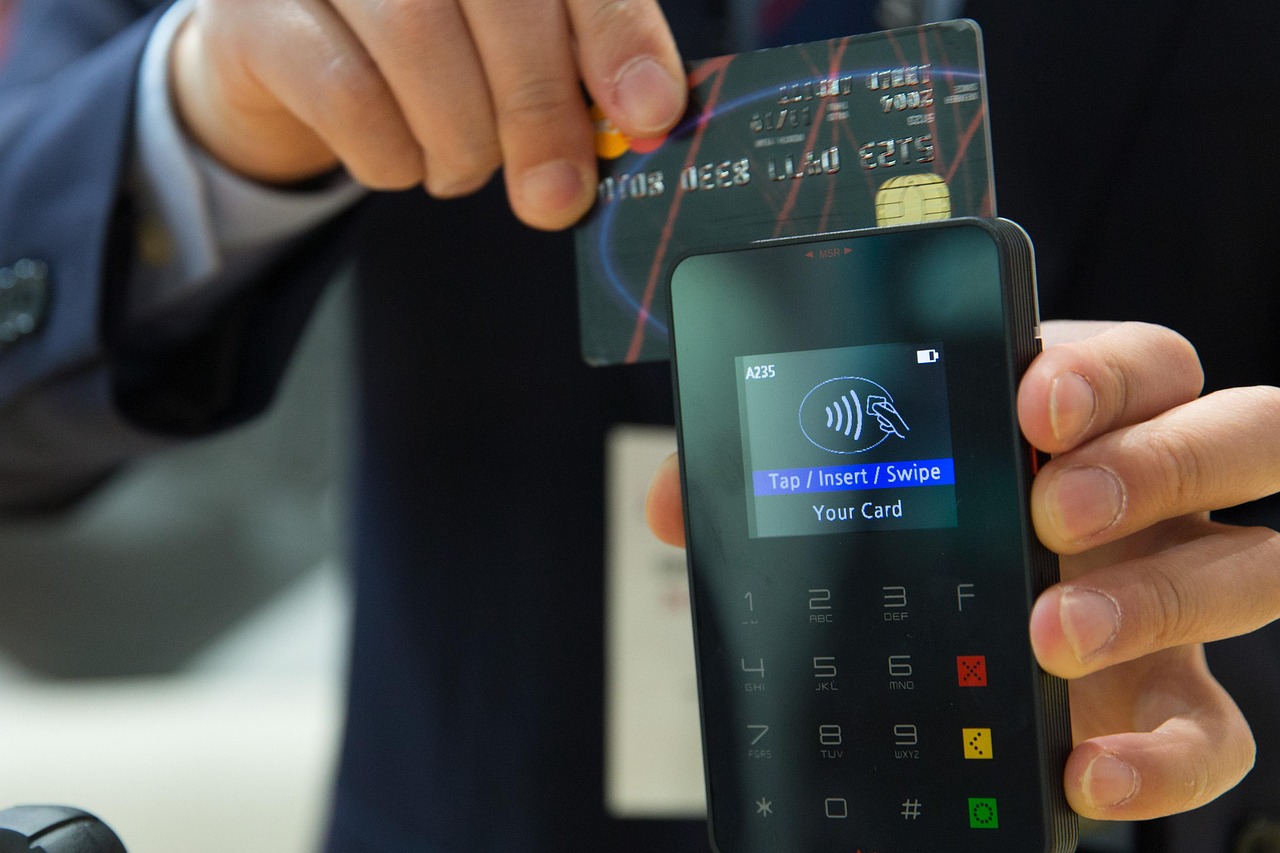
Key Features to Look for in a Modern EPOS System
Not every feature on a vendor's marketing page will matter to your business. Focus your evaluation on these genuinely important capabilities:
Core transaction management
- Intuitive touchscreen interface — staff should be able to use it confidently after minimal training, reducing errors at the till.
- Integrated card payments — a seamless link between your EPOS and card terminal eliminates manual keying errors and speeds up reconciliation. See our dedicated guide to EPOS systems with integrated card payments in the UK for a full breakdown of what to expect.
- Split payments, refunds and voids — essential for any customer-facing environment.
Stock and product management
- Real-time stock-level tracking across one or multiple sites.
- Low-stock alerts and automatic purchase order generation.
- Barcode scanning and product variant support (size, colour, weight).
Reporting and analytics
- End-of-day Z-reports and period sales summaries.
- Best-seller and margin analysis by product, category or department.
- Staff performance reporting for accountability and scheduling.
Integration capabilities
- Accounting software (Xero, QuickBooks, Sage).
- E-commerce platforms for unified online and in-store inventory.
- Loyalty and CRM tools to build repeat-customer relationships.
EPOS Systems for Retail vs Hospitality: What's Different?
The underlying technology may be similar, but retail and hospitality businesses have fundamentally different operational needs. Buying the wrong sector-specific configuration is a common and costly mistake.
| Requirement | Retail EPOS | Hospitality EPOS |
|---|---|---|
| Stock management | SKU-level tracking, barcode scanning, multi-variant products | Ingredient-level recipe costing, wastage tracking |
| Order flow | Linear: scan → pay → receipt | Table management, course sequencing, kitchen printer/display |
| Staff tools | Commission tracking, clock-in/out | Cover counts, server allocation, tip management |
| Customer experience | Loyalty schemes, gift cards, age-verification prompts | Split bills, allergen flags, pre-authorisation for bar tabs |
| Offline resilience | Important for high-volume days | Critical — a downed system during a dinner service is catastrophic |
| Typical hardware | Fixed countertop terminal, barcode scanner, receipt printer, cash drawer | Fixed and handheld terminals, kitchen display system (KDS), customer-facing screen |
Specialist verticals add further nuance. An off-licence, for instance, requires robust age-verification prompts and alcohol duty tracking — needs not covered by a generic retail system. Our complete buyer's guide to till systems for off licences covers these requirements in detail.
To explore sector-specific offers, view our retail EPOS offers or our hospitality and restaurant EPOS offers — both include live pricing and package options.
How Much Does an EPOS System Cost in the UK?
Cost is almost always the first question buyers ask, and it deserves a straight answer. UK EPOS pricing varies significantly depending on whether you buy outright or subscribe, the number of tills, and the complexity of the software. The figures below are indicative market ranges to help you budget — not quotes, and they will vary by provider and configuration.
| Setup type | Indicative hardware cost | Indicative monthly software/support | Best suited to |
|---|---|---|---|
| Entry-level single till (tablet-based) | Typically from £300–£600 | From £0–£30/month (SaaS tier) | Market traders, pop-ups, micro-businesses |
| Mid-range countertop EPOS (1–2 tills) | Typically £700–£1,800 per terminal | £30–£80/month per site | Independent retail, cafés, small restaurants |
| Full hospitality suite (terminals + KDS) | Typically £2,000–£5,000+ per site | £80–£200/month per site | Restaurants, pubs, hotels |
| Multi-site retail or franchise | Negotiated per project | £150–£400+/month (enterprise) | Groups with 3+ locations |
Beyond the headline price, factor in payment processing fees (typically 0.5%–1.7% per card transaction depending on your provider and volume), installation and training, and ongoing support contracts. Our detailed article on monthly EPOS subscriptions versus outright purchase helps you model which ownership model produces the lower total cost of ownership for your situation.
Cloud-Based vs On-Premise EPOS: Which Is Right for You?
This is the architectural decision that affects everything else — updates, resilience, access, and long-term cost.
Cloud-based EPOS
Data lives on remote servers, accessible via any browser or the vendor's app. Updates roll out automatically, remote management is straightforward, and you can check yesterday's sales from your phone at midnight. The trade-off is internet dependency: a cloud-only system with no offline mode is a single point of failure. Most reputable cloud EPOS platforms now include local offline caching so transactions continue if connectivity drops, syncing once the connection restores.
On-premise EPOS
Software and data reside on a local server in your premises. No internet required for day-to-day operation, which appeals to venues in areas with unreliable connectivity or businesses with strict data governance requirements. The downside: hardware to maintain, manual software updates, and no easy remote access to reporting.
For the majority of UK independent businesses opening or upgrading today, a cloud-based system with offline resilience offers the best balance of flexibility, cost, and supportability. On-premise solutions remain relevant for larger, multi-till operations with dedicated IT resource.
Questions to Ask Any EPOS Provider Before You Buy
A polished product demo can paper over serious gaps in support, contract terms, or system fit. Push every provider on these points before committing:
- What happens if the internet goes down? — Establish exactly how the system behaves offline and how data syncs on reconnection.
- Who owns my data, and can I export it? — Your transaction history, customer records and stock data are business assets. Confirm you can export them in a standard format at any time.
- What is included in the support contract? — Is telephone support available outside business hours? Is hardware replacement covered, and how quickly? A till failure on a Saturday lunchtime is not a Monday-morning problem.
- Are software updates included, and how are they delivered? — Regulatory changes (Making Tax Digital, new payment security standards) mean software must evolve. Confirm updates do not require expensive re-installations.
- What are the contract exit terms? — Monthly rolling contracts offer flexibility; multi-year agreements may offer lower monthly costs but carry early-termination penalties. Read the small print.
- Can I integrate with the card machine I already have, or do I need yours? — Payment integration is often smoother with a combined provider. Our guide to card machines and till systems combined explains the integration options in full.
If you would prefer to talk through your specific requirements before requesting a formal quote, you can talk to an EPOS Direct expert online — no obligation, no hard sell.
Hardware Considerations: What Physical Equipment Will You Actually Need?
Software gets most of the attention, but hardware reliability is what your staff experience every single shift. Consider:
- Touchscreen terminal or tablet mount — purpose-built EPOS hardware tends to be more durable and better ventilated than consumer tablets running point-of-sale apps.
- Thermal receipt printer — fast, quiet, and low-maintenance; confirm paper width compatibility before ordering consumables in bulk.
- Cash drawer — even predominantly card-taking businesses often need one for floats and cash-paying customers.
- Barcode scanner — for retail, a reliable corded or wireless scanner dramatically speeds up checkout.
- Customer-facing display — increases transparency and reduces disputes at the till.
- Kitchen display system (KDS) — replaces printed kitchen tickets in hospitality, reducing errors and paper waste.
- Wireless card terminal — for tableside payments in hospitality or queue-busting in busy retail. Our guide to the best wireless card machines for small businesses covers the leading options.
Why UK Businesses Choose EPOS Direct for Their Till Systems
EPOS Direct has been supplying and supporting point-of-sale systems to UK businesses across retail, hospitality, pharmacy and beyond for many years. The team's day-to-day work — configuring systems, training staff, and resolving support calls — gives it a grounded, practical perspective that generic software comparison sites simply cannot replicate.
Key reasons businesses return and refer others:
- UK-based support — real people answering the phone, not an offshore script.
- Sector-specific expertise — dedicated configurations for retail, hospitality, pharmacy, off-licence, and more, each refined through real-world deployments.
- Transparent pricing — outright purchase and subscription options with no hidden fees buried in the terms.
- Integrated payment options — including setups with no monthly card machine fee for the right business profile; see our overview of card machines with no monthly fee for context.
- Live software demos — see the actual product before you spend a penny. Book a retail EPOS software demo, a restaurant EPOS software demo, or a pharmacy EPOS software demo at a time that suits you.
Visit the EPOS Direct UK home page for the full range of current offers and system information across every sector we serve.
Making Your Decision: A Practical Summary
The right EPOS system is the one that fits your transaction volume, your sector's operational workflow, and your team's technical comfort — not simply the cheapest or the most feature-rich on the market. Start by mapping your must-have requirements against the features above, then request demonstrations from a short list of providers. Pay as much attention to the quality of support and the clarity of contract terms as you do to the software itself.
Ready to move forward? Request a free demo from EPOS Direct or request a call back from our specialist team — we will help you identify the right configuration for your business without any pressure to decide on the day.
Written by the EPOS Direct UK team, who work with UK retail, hospitality and specialist businesses every day to configure, install and support point-of-sale systems across the country.
Frequently asked questions
- How much should I budget for an EPOS system in the UK?
- Costs vary depending on your setup. A basic single-terminal EPOS system for a small retail or hospitality business typically starts from around £300 to £600 for hardware (touchscreen terminal, receipt printer, and card reader). Cloud-based software subscriptions usually run from £20 to £80 per month per terminal. Larger multi-site setups with advanced stock management, loyalty tools, and reporting can cost £1,000 to £3,000+ upfront. Many UK providers, including EPOS Direct, offer bundled packages and finance options to spread the cost.
- What hardware do I need to run an EPOS system?
- At minimum you will need a touchscreen terminal or tablet, a receipt printer, and a payment card reader. Depending on your business you may also want a barcode scanner, cash drawer, kitchen display screen, or customer-facing display. Most reputable suppliers offer pre-configured bundles so you only pay for what you need.
- Can I switch EPOS providers if I'm already locked into a contract?
- Yes, but you should check your current contract for notice periods and any early-termination fees before switching. When evaluating a new provider, ask specifically about data migration support so your product catalogue, customer records, and sales history can be transferred. Cloud-based systems generally make switching easier than legacy on-premise installations.
