We use cookies to make your experience better.
To comply with the new e-Privacy directive, you agree to the privacy policy and our use of cookies


The Best EPOS System for Cafés with Table Service: A Complete Buyer's Guide
EPOS Systems for Cafés with Table Service: Everything You Need to Know Before You Buy
For a café that offers table service, the technology behind your counter needs to do far more than process payments — it needs to coordinate your floor, your kitchen and your team in real time. A well-chosen EPOS system transforms the guest experience, reduces order errors and gives owners meaningful insight into how the business is actually performing. This guide covers everything a UK café owner needs to evaluate, compare and choose the right solution with confidence.
Why Standard Till Systems Fall Short in Table-Service Cafés
A basic electronic cash register or entry-level card reader works perfectly well for a counter-service coffee shop where customers order and collect. The moment you introduce seated service, however, the operational demands shift significantly. Staff need to manage covers, split bills, send orders directly to the kitchen and keep a running tab per table — none of which a simple till can handle gracefully.
The friction this creates is not trivial. Without a purpose-built system, teams resort to paper dockets, manual shouting to the kitchen or awkward workarounds that slow table turns and create genuine error risk. A wrong order sent to a table costs you more than the dish — it costs you the trust of the guest. For any café where table experience is part of the proposition, that matters enormously.
If you are also running a small business with tight margins and limited staff, the stakes are higher still. Our guide to the best till systems for small businesses in the UK explores the broader landscape, but cafés with table service require a specifically hospitality-oriented feature set that goes beyond general retail or counter-service tools.
Key Features to Look for in a Café EPOS System
Not every EPOS platform is built the same way. When assessing options for a table-service environment, prioritise the following capabilities:
- Table plan management: A visual, editable floor map that mirrors your actual layout, shows table status at a glance and flags how long guests have been seated.
- Course and modifier management: The ability to sequence orders by course, apply modifiers (extra shot, oat milk, no sugar) and hold items for the correct moment.
- Split billing: Guests increasingly expect bills split by seat or by item — this must be fast and intuitive for staff.
- Kitchen display or print routing: Orders sent directly to the kitchen — either printed at a kitchen receipt printer or displayed on a kitchen display screen (KDS) — without a manual handover step.
- Cloud-based reporting: Real-time sales data, covers per hour, average spend per head and top-selling items, accessible from any device.
- Offline resilience: The system must continue to take orders and payments if the internet drops — a genuinely common occurrence in older buildings.
- Integrated payments: Card processing built into the same system, so transactions reconcile automatically without a separate merchant account headache.
For a deeper look at integrated payment processing, our article on EPOS systems with integrated card payments in the UK is a useful companion read.
Table Management and Tableside Ordering: How It Works
Modern café EPOS platforms present your floor plan as a live, interactive screen at the main terminal. Each table tile changes colour to indicate its status: available, occupied, awaiting service or awaiting payment. A server selects the table, enters the number of covers, and begins building the order — item by item, course by course — against that specific table's ticket.
Where tableside ordering is deployed, staff carry a handheld device (a purpose-built POS handset or a ruggedised tablet) and take orders directly at the table. That order fires immediately to the kitchen display or printer with no second step required. The benefits compound quickly: fewer trips between floor and counter, fewer misheard orders, faster kitchen response and — crucially — a more attentive, professional impression for guests.
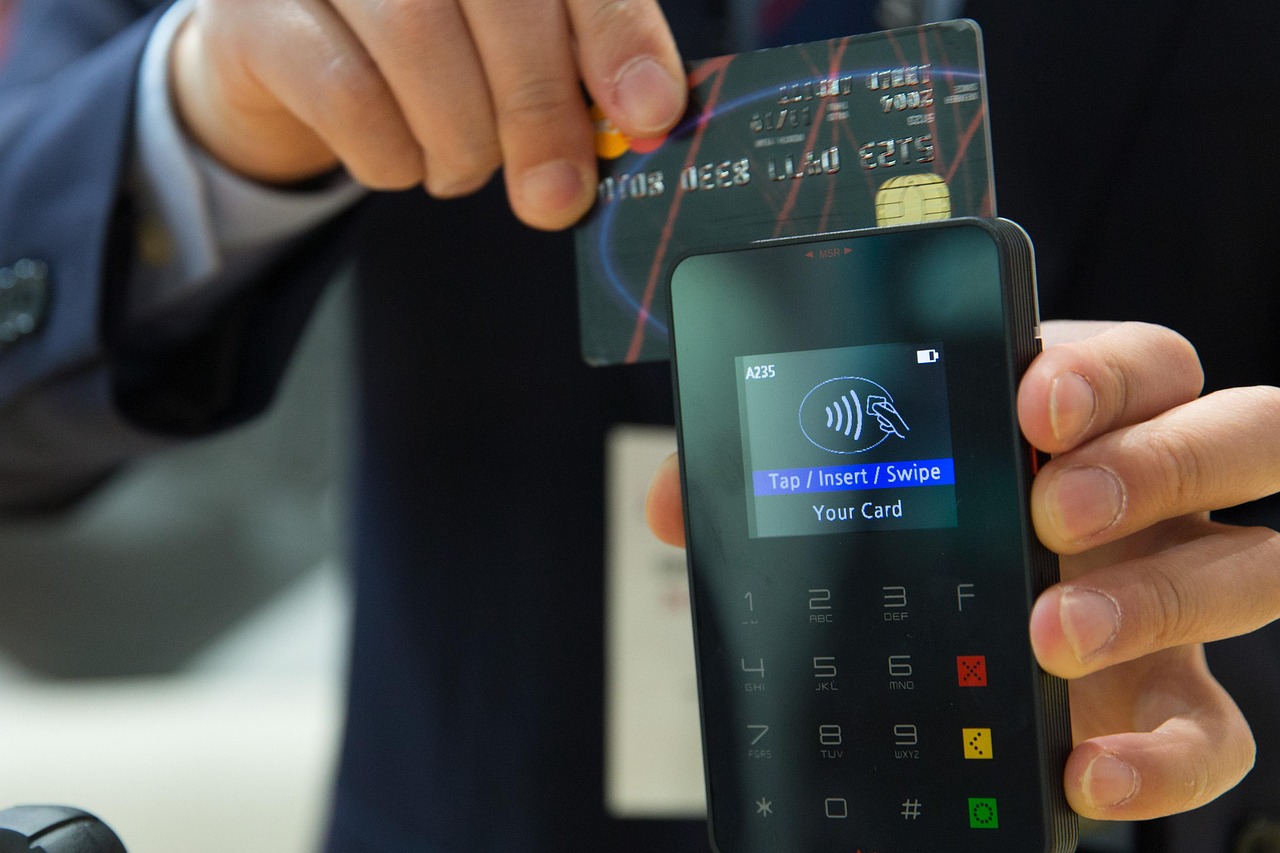
Payment can then be taken tableside too, with a portable card machine or a handset with an integrated payment chip. For guidance on the wireless payment hardware that works alongside these systems, see our guide to the best wireless card machines for small businesses in the UK.
Hardware Options: Terminals, Handhelds and Kitchen Display Screens
A well-configured café setup typically combines several hardware components, chosen to match the physical space and service style.
Main Counter Terminal
A touchscreen terminal — usually 10 to 15 inches — acts as the central hub. It hosts the table plan, processes take-away orders and provides manager-level access to reports and settings. All-in-one units with a built-in receipt printer keep the counter tidy; standalone terminals paired with a separate printer offer more flexibility.
Handheld Ordering Devices
Compact Android or iOS-based handhelds allow staff to take orders and fire them directly to the kitchen from the table. Some platforms also integrate a payment chip into the handset, allowing end-to-end tableside service without returning to the counter.
Kitchen Display Screens
A KDS replaces paper kitchen tickets with a wall-mounted screen showing live order queues. Staff can acknowledge items, mark courses as ready and track ticket times. KDS units are more hygienic and environmentally friendlier than thermal roll printing, and they provide useful data on kitchen preparation times.
Customer-Facing Displays and Receipt Options
A secondary customer-facing screen at the counter builds trust by showing the order and total in real time. Digital or email receipts reduce consumable costs and align with sustainability commitments many cafés now champion.
Integration with Payments, Loyalty and Stock Management
A café EPOS system earns its keep not just through order management, but through the ecosystem it connects to. The most valuable integrations for table-service cafés include:
- Integrated card payments: When the EPOS and the payment terminal share a single system, there is no manual entry of totals, no reconciliation gap and no risk of charging the wrong amount. Our complete guide to card machine and till system combinations explains the architecture in detail.
- Loyalty and CRM: Points-based loyalty schemes, stamp-card digital equivalents and promotional vouchers can all be managed from within the EPOS, encouraging repeat visits without separate apps or hardware.
- Stock and ingredient tracking: For cafés preparing food, ingredient-level stock deduction (where a portion of a dish removes the corresponding quantities from live stock) prevents overselling and supports accurate ordering.
- Accounting software: Integration with platforms such as Xero or QuickBooks removes the need to re-enter sales data manually, reducing bookkeeping time and the risk of error.
- Online ordering and reservations: If you take bookings or offer click-and-collect, a system that feeds these into the same table plan and order queue prevents double-handling.
Ready to see how these integrations look in practice? You can explore the restaurant EPOS software demo from EPOS Direct to walk through a live hospitality environment.
How Much Does a Café EPOS System Cost in the UK?
Pricing varies considerably depending on the number of terminals, the software tier and whether you purchase or lease hardware. The ranges below are indicative, based on typical UK market conditions in 2025–2026, and should be used as a budgeting guide rather than a quote.
| Setup Type | Typical Hardware Cost | Typical Monthly Software Fee | Best Suited To |
|---|---|---|---|
| Single counter terminal only | From approximately £400–£800 | From approximately £30–£60/month | Small cafés, limited seating, semi-counter service |
| Terminal + one handheld device | From approximately £700–£1,400 | From approximately £50–£90/month | Cafés with 8–20 covers and active table service |
| Terminal + handhelds + KDS | From approximately £1,200–£2,500 | From approximately £70–£130/month | Busier cafés with dedicated kitchen and 20+ covers |
| Multi-terminal restaurant-grade setup | From approximately £2,500 upwards | From approximately £100–£200+/month | Large café-restaurants, multi-room or multi-site venues |
Transaction fees on integrated card payments typically range from around 1% to 1.7% per transaction depending on volume commitments and card type, though fixed monthly subscription models are also available. If avoiding ongoing monthly fees is a priority, our guide to card machines with no monthly fee for UK businesses outlines the trade-offs.
A real buyer's question here is often: "Can I trial the software before committing to hardware?" Most reputable providers, including EPOS Direct, allow you to view their hospitality EPOS offers online and request a demonstration before any purchase decision is made.
How to Choose the Right EPOS Provider for Your Café
Beyond features and pricing, the quality of the provider relationship is one of the most important — and most underweighted — factors in a buying decision. Consider the following when shortlisting:
Support and Onboarding
A hospitality business cannot afford a half-day outage with no support line to call. Look for UK-based telephone support, a clear SLA for critical issues and a structured onboarding process that includes staff training — not just a manual and a login.
Software Update Policy
Cloud-based EPOS platforms update continuously; on-premise systems may require paid upgrade cycles. Understand exactly what is included in your monthly fee and how major feature releases are handled.
Scalability
If you plan to open a second site, introduce an online ordering channel or expand your menu significantly, confirm the system can scale without a full replacement. Migrating EPOS systems mid-growth is disruptive and expensive.
Contract Terms
Read contract length, termination clauses and hardware ownership terms carefully. Some providers offer rolling monthly arrangements; others require 12- or 24-month minimum terms. Neither is inherently wrong, but you should enter eyes open.
Reputation and References
Ask the provider for references from hospitality businesses of a similar size and style to your own. A system lauded by large restaurant chains may be over-engineered and expensive for a 16-cover neighbourhood café; equally, a system designed for coffee-shop counter service may lack the table management depth you need.
Our broader guide to EPOS systems for small businesses in the UK covers the general evaluation framework, while the complete guide to EPOS and POS systems for UK businesses offers a wider-angle view of the landscape for operators still in the early research phase. You can also browse the full range of products and solutions on the EPOS Direct UK home page, where current offers and detailed product information are updated regularly.
Another question buyers frequently raise is: "Do I need different hardware for indoor and outdoor service?" If your café has a terrace or courtyard, confirm that handheld devices are rated for outdoor use and that your Wi-Fi coverage extends to those areas reliably — this is a practical detail that trips up many operators after installation.
Conclusion
A table-service café demands an EPOS solution built for hospitality — one that manages your floor plan, routes orders to the kitchen, handles split bills and integrates payments without friction. Getting this right from day one reduces staff stress, improves the guest experience and gives you the operational data to run a sharper, more profitable business.
EPOS Direct UK works with independent cafés, café-bars and restaurant-cafés across the United Kingdom every day, helping owners select and implement the right system for their specific environment. To see the software in action, book a restaurant EPOS software demo online, or talk to an expert who can walk you through the options suited to your covers, team size and budget. If you prefer to start with a no-obligation conversation, request a free demo and a member of the team will be in touch.
Written by the EPOS Direct UK team, who support hospitality and retail businesses across the United Kingdom with EPOS and POS system advice, installation and ongoing service every day.
Frequently asked questions
- What hardware do I actually need to run table service in my café?
- At minimum you will need a touchscreen till terminal at the counter, a receipt or kitchen printer, and a card payment terminal. For a smoother table-service workflow many UK cafés also add handheld ordering tablets for staff and a kitchen display screen (KDS) to replace paper tickets. EPOS Direct UK can configure a starter bundle or a full multi-device setup depending on your café's size and budget.
- How much should I budget for a café EPOS system in the UK?
- Costs vary by setup size, but as a realistic guide: a basic single-terminal EPOS bundle (hardware plus software) typically starts from around £500–£800 upfront, or from approximately £30–£60 per month on a subscription or lease plan. A fuller table-service setup with handheld devices, a kitchen display screen and integrated card payments might run £1,200–£2,500 upfront or £70–£120 per month. Monthly software licences and payment processing fees are additional ongoing costs. Always ask for an itemised quote that covers hardware, software, installation and support.
- Can my café EPOS system split bills and handle course-by-course ordering?
- Yes — a hospitality-grade EPOS system designed for table service should support bill splitting by item or equally between covers, course-by-course ordering (so starters fire to the kitchen separately from mains), and open tabs that can be transferred between staff. When evaluating systems, ask the provider to demonstrate these workflows specifically, as not all entry-level or retail-focused EPOS platforms include them as standard.
