We use cookies to make your experience better.
To comply with the new e-Privacy directive, you agree to the privacy policy and our use of cookies

How to Choose the Right Till System for Your UK Business
How to Choose the Right Till System for Your UK Business
Choosing a till system is one of the most consequential technology decisions a UK business owner makes — the right choice streamlines every transaction, surfaces critical trading data and grows with your business; the wrong one creates daily friction and expensive switching costs. The sections below walk you through every meaningful decision point, from hardware configuration to contract terms, so you can arrive at a confident, well-informed choice rather than a rushed one.
What Is a Till System and Do You Actually Need One?
A modern till system — often called an EPOS (Electronic Point of Sale) system — is a combination of hardware and software that processes sales, manages inventory, tracks staff activity and generates reports. It replaces the traditional cash register with a connected, intelligent platform that makes your business data actionable in real time.
The honest answer to whether you need one: if you are processing more than a handful of transactions a day, manually reconciling stock, or struggling to understand which products are driving profit, an EPOS system will pay for itself relatively quickly. If you are a one-person market stall taking occasional card payments, a basic card reader may suffice for now — though most growing businesses find they outgrow that setup sooner than expected.
- You likely need a full EPOS system if: you manage multiple product lines, have more than one member of staff, run promotions or loyalty schemes, or need end-of-day reports without manual counting.
- A simpler setup may suffice if: you operate a single-product service business with very low transaction volumes and no inventory management needs.
For most UK retailers, hospitality operators and service businesses, the question is not whether to invest in EPOS — it is which system fits best. If you are still running a legacy cash register, our guide on switching from a cash register to a modern EPOS system covers exactly what that transition involves.
Key Features to Look for in a Modern EPOS Till System
Not all EPOS systems are created equal. The headline specification — touchscreen, receipt printer, cash drawer — is table stakes. What separates a system that genuinely serves your business from one that frustrates it are the deeper capabilities.
Core functional requirements
- Inventory management: Real-time stock tracking, low-stock alerts, and supplier order management save hours of manual work each week.
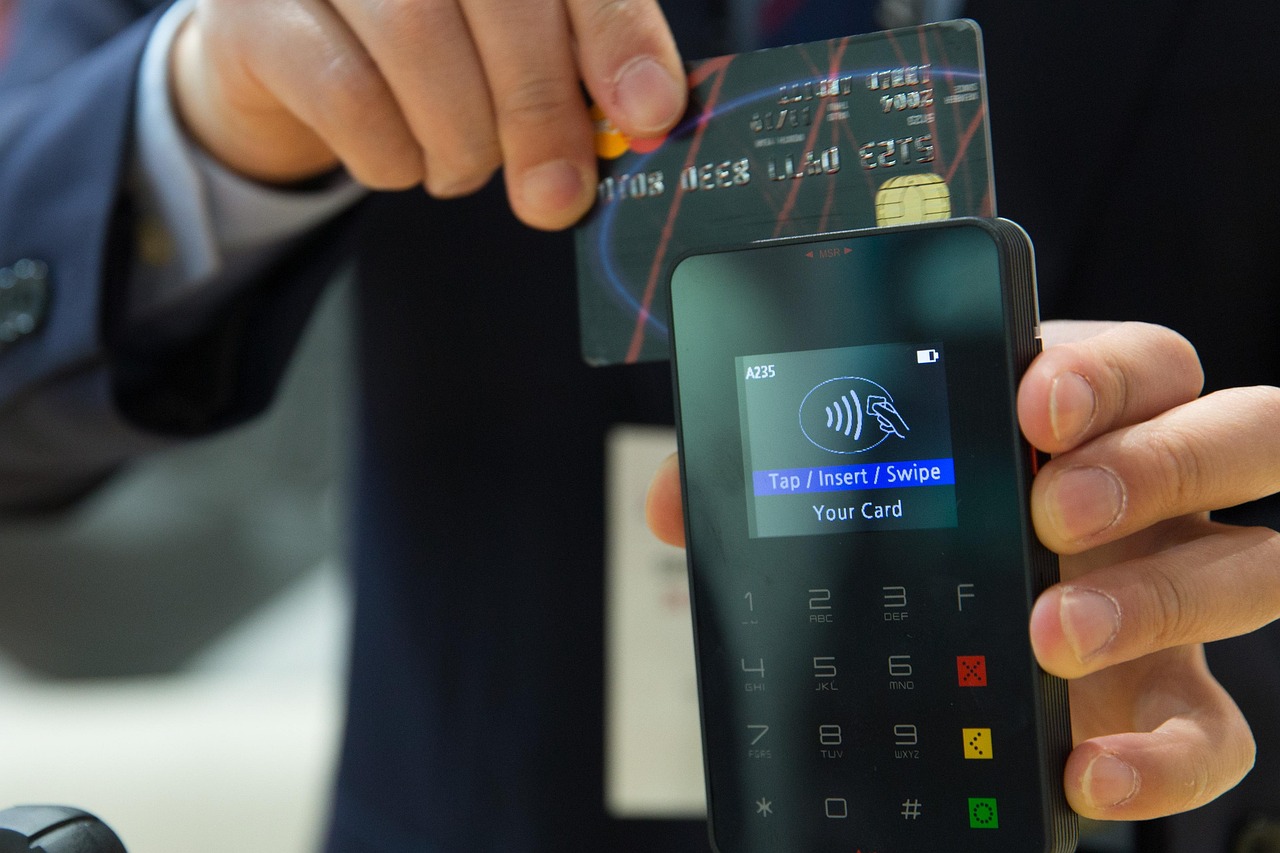
- Integrated card payments: A system where the EPOS and card terminal communicate directly eliminates manual entry errors and speeds up queue times considerably. See our dedicated guide on EPOS systems with integrated card payments in the UK for a full breakdown of what to look for.
- Reporting and analytics: Hourly sales breakdowns, product performance reports, margin analysis and staff productivity data are the metrics that drive better buying and staffing decisions.
- Customer management and loyalty: A built-in CRM with loyalty point tracking encourages repeat visits and gives you marketing data you actually own.
- Multi-site capability: If expansion is a possibility, check whether the system consolidates data across locations from day one.
Practical considerations that are often overlooked
- Offline functionality: Does the system process transactions if your broadband drops? In the UK, connectivity outages remain a real operational risk — particularly for rural businesses.
- Hardware durability: A hospitality environment demands spill-resistant, robust hardware. A retail environment may prioritise a slimmer, consumer-facing design.
- Software update cadence: Cloud-based systems typically update automatically; older server-based systems may require costly on-site engineer visits for major updates.
Till Systems for Retail vs Hospitality: What Changes?
The underlying technology is often similar, but the workflow requirements of a retail shop and a busy restaurant are genuinely different. Getting this distinction right is critical to a good outcome.
| Requirement | Retail | Hospitality / F&B |
|---|---|---|
| Barcode scanning | Essential | Rarely needed |
| Table management | Not applicable | Central to operations |
| Kitchen display / printer routing | Not applicable | Critical for order accuracy |
| Age verification prompts | Important (off licences, pharmacies) | Important (licensed venues) |
| Stock management depth | SKU-level, with variants | Ingredient-level (recipe costing) |
| Customer-facing display | Useful for upselling | Useful for order confirmation |
| Loyalty and promotions engine | High priority | Medium priority |
| Integrated online ordering | Click & collect | Delivery / pre-order |
If you run a retail business, our complete buyer's guide to till systems for small businesses gives sector-specific recommendations. For shop owners specifically, the guide to till systems for small shops narrows the focus further. Hospitality operators can explore a live restaurant EPOS software demo to see how table management, kitchen routing and cover tracking work in practice before committing.
Cloud-Based vs Traditional EPOS: Which Is Right for You?
This is the question most business owners ask midway through their research, and the answer has shifted decisively in recent years. Cloud-based systems now dominate new installations across the UK — but traditional server-based setups still make sense in specific circumstances.
Cloud-based EPOS
- Data stored remotely and accessible from any device, anywhere.
- Automatic software updates — no engineer visits, no version lag.
- Lower upfront hardware cost; typically priced as a monthly subscription.
- Easier to scale across multiple sites.
- Dependent on internet connectivity (though reputable systems include offline mode).
Traditional / server-based EPOS
- All data stored on-site — preferred by some operators in sectors with strict data sovereignty concerns.
- Higher upfront cost; generally owned outright after purchase.
- More complex and expensive to maintain and update.
- Less suited to multi-site consolidation without significant IT infrastructure.
For the vast majority of UK businesses opening or upgrading today, a cloud-based system is the more practical and future-proof choice. The subscription versus purchase decision is a separate but related one — our article on monthly EPOS subscriptions versus outright purchase works through the financial case in detail.
How Much Does a Till System Cost in the UK?
This is one of the most-searched questions in the EPOS category, and it deserves a straight answer rather than vague reassurance. The honest picture for the UK market:
- Entry-level single-terminal setup (hardware + software): typically from around £300–£600 upfront for a basic configuration, plus a monthly software fee starting from approximately £30–£60 per month for cloud systems.
- Mid-range retail or hospitality system: hardware bundles (terminal, receipt printer, cash drawer, barcode scanner) typically range from £600–£1,500; software from approximately £50–£120 per month depending on features and support tier.
- Multi-terminal or multi-site deployments: costs scale with the number of terminals and sites; most established businesses with two to four tills find total monthly operating costs fall between £100 and £300 per month inclusive of support.
- Card processing fees: separate from the EPOS system itself — typically a percentage per transaction. Integrated card payments negotiate these rates independently; compare providers carefully.
These are indicative market ranges to aid budgeting, not formal quotes. Your actual costs will depend on hardware configuration, software tier, payment processing volumes and support requirements. The best approach is always to request a detailed, itemised quote from any provider you are seriously considering.
Running a specialised business? The cost picture for an off licence, for example, differs from a general retail setup because of age verification and licensing compliance requirements — our guide to till systems for off licences covers what to expect.
Questions to Ask Any Till System Provider Before You Buy
A confident buyer asks pointed questions before signing anything. These are the ones that consistently reveal whether a provider is genuinely suited to your business:
- What happens to my transactions if the internet goes down? Any credible provider should offer a clear, tested offline mode — not just a vague assurance that "it usually works".
- What does support actually look like? Is it UK-based, phone-accessible, and available during your trading hours? A restaurant working until midnight needs support available at midnight.
- Who owns my data, and how do I export it? Under UK GDPR, you have rights over your customer and transaction data. Understand the export format and process before committing.
- What are the contract terms and exit conditions? Rolling monthly contracts offer flexibility; multi-year contracts may offer better pricing but carry risk if the system underperforms. Read the small print.
- How does the system handle VAT and Making Tax Digital? HMRC's Making Tax Digital programme affects VAT-registered businesses. Confirm your EPOS system produces MTD-compatible records or integrates with accountancy software that does.
- Can I see the software before I commit? Any reputable provider should offer a live demonstration. If they cannot or will not, that is a meaningful red flag.
To compare EPOS Direct against the wider market on these criteria, our complete 2026 competitor comparison puts the key differentiators side by side.
Why UK Businesses Choose EPOS Direct for Their Till Systems
EPOS Direct has been supplying and supporting EPOS systems to UK businesses across retail, hospitality, pharmacy and specialist sectors for many years. The team works directly with business owners — from single-site independents to multi-location operators — and understands that the right system depends on the specific context of each business, not a generic spec sheet.
What sets EPOS Direct apart in practice:
- UK-based support: Phone and online support from a team that knows the product and the UK regulatory environment.
- Sector-specific software: Dedicated EPOS software built for retail, hospitality and pharmacy workflows — not a generic platform retrofitted to your sector. You can explore the full EPOS software range or go directly to a retail EPOS software demo or pharmacy EPOS software demo to see the interface in action.
- Transparent pricing: Hardware bundles, software tiers and support packages are presented clearly — not buried in promotional small print.
- Flexible purchasing options: Whether you prefer to own your system outright or operate on a manageable monthly subscription, EPOS Direct accommodates both approaches.
- Integrated payments: Card processing that communicates directly with your EPOS terminal — eliminating dual-entry errors and accelerating checkout.
You can browse current retail and hospitality configurations on the EPOS Direct home page, view the current retail EPOS offers or hospitality and restaurant EPOS offers for current configurations and pricing guidance.
The Decision in Summary
The right till system for your business is the one that matches your sector's workflow, scales with your ambitions, carries honest contract terms and is backed by support you can actually reach. Prioritise offline resilience, integrated payments, and reporting depth — then validate every claim with a live demonstration before you commit.
Ready to find your fit? Request a free demo from EPOS Direct, or if you have specific questions about your setup, talk to an EPOS expert online — the team is there to help you make the right call, not just a fast one.
Written by the EPOS Direct UK team, who work with UK retail, hospitality and specialist businesses every day to match them with EPOS and POS systems that genuinely fit their operations. Pricing figures cited are indicative market ranges for guidance only and do not constitute a formal quote; contact EPOS Direct directly for a tailored proposal.
Frequently asked questions
- What is the difference between a till system and an EPOS system?
- A traditional till simply processes sales and opens a cash drawer. An EPOS (Electronic Point of Sale) system goes much further — it manages stock levels, tracks sales data, handles refunds, integrates with payment terminals, and can generate detailed reports. For most UK businesses, an EPOS system is the smarter long-term investment because it replaces several separate tools in one solution.
- How much does a till system cost for a small UK business?
- Costs vary depending on the setup. A basic single-terminal EPOS bundle for a small UK retailer or café typically starts from around £300–£600 for hardware (touchscreen terminal, receipt printer, cash drawer, barcode scanner). Software licences can range from free or low-cost entry plans up to £50–£100 per month for advanced cloud-based systems. EPOS Direct UK offers tailored packages, so you only pay for what your business actually needs — and free demos are available before you commit.
- Can I use a till system without an internet connection?
- Yes. Many modern EPOS systems, including those supplied by EPOS Direct, offer offline mode — meaning your till continues to process sales even if your broadband goes down. Data then syncs automatically once the connection is restored. This is especially important for hospitality and market traders where connectivity can be unreliable.
