We use cookies to make your experience better.
To comply with the new e-Privacy directive, you agree to the privacy policy and our use of cookies

From Traditional Till to EPOS System: A Complete Switching Guide for UK Retailers & Hospitality
Switching From a Traditional Till to an EPOS System: Everything UK Businesses Need to Know

For many UK retailers, hospitality operators and independent shop owners, the moment of realising a cash till is holding the business back tends to arrive gradually — then all at once. A modern EPOS system replaces the mechanical limitations of a traditional till with an integrated platform that handles sales, stock, staff, and customer data in one place. The switch is more straightforward than most business owners expect, and the operational gains are immediate.
What Is the Difference Between a Traditional Till and a Modern EPOS System?
A traditional cash till — whether a basic mechanical drawer or an entry-level electronic cash register — is fundamentally a device for recording transactions and storing cash. It performs one job. A modern EPOS (Electronic Point of Sale) system is an end-to-end business management platform that happens to process sales at the counter.
| Feature | Traditional Cash Till | Modern EPOS System |
|---|---|---|
| Transaction processing | Cash only or basic card terminal (separate) | Cash, card, contactless, mobile pay — fully integrated |
| Stock management | None — manual counts only | Real-time inventory tracking with low-stock alerts |
| Sales reporting | End-of-day totals only | Live dashboards, product-level analytics, trend reports |
| Staff management | None | Clock-in/out, permissions, individual sales performance |
| Customer loyalty | None | Built-in loyalty schemes, CRM, purchase history |
| Remote access | None | Cloud-based — manage your business from anywhere |
| Accounting integration | Manual entry required | Direct sync with Xero, QuickBooks and others |
| Scalability | Buy a new till per location | Add terminals, locations or users under one account |
The practical difference is this: a till tells you how much money came in today; an EPOS system tells you why, helps you act on it, and connects every part of your operation.
Five Clear Signs Your Business Has Outgrown a Cash Till
Not every business needs to switch immediately, but these signals are reliable indicators that a traditional till is becoming a liability rather than a tool:
- Stock discrepancies are a routine headache. If you are manually counting stock at the end of each week and still finding unexplained gaps, your till cannot tell you what sold, when, or in what quantity.
- End-of-day reconciliation takes too long. Balancing the books manually each evening costs real time and introduces human error. EPOS systems close the day in minutes, with an auditable record.
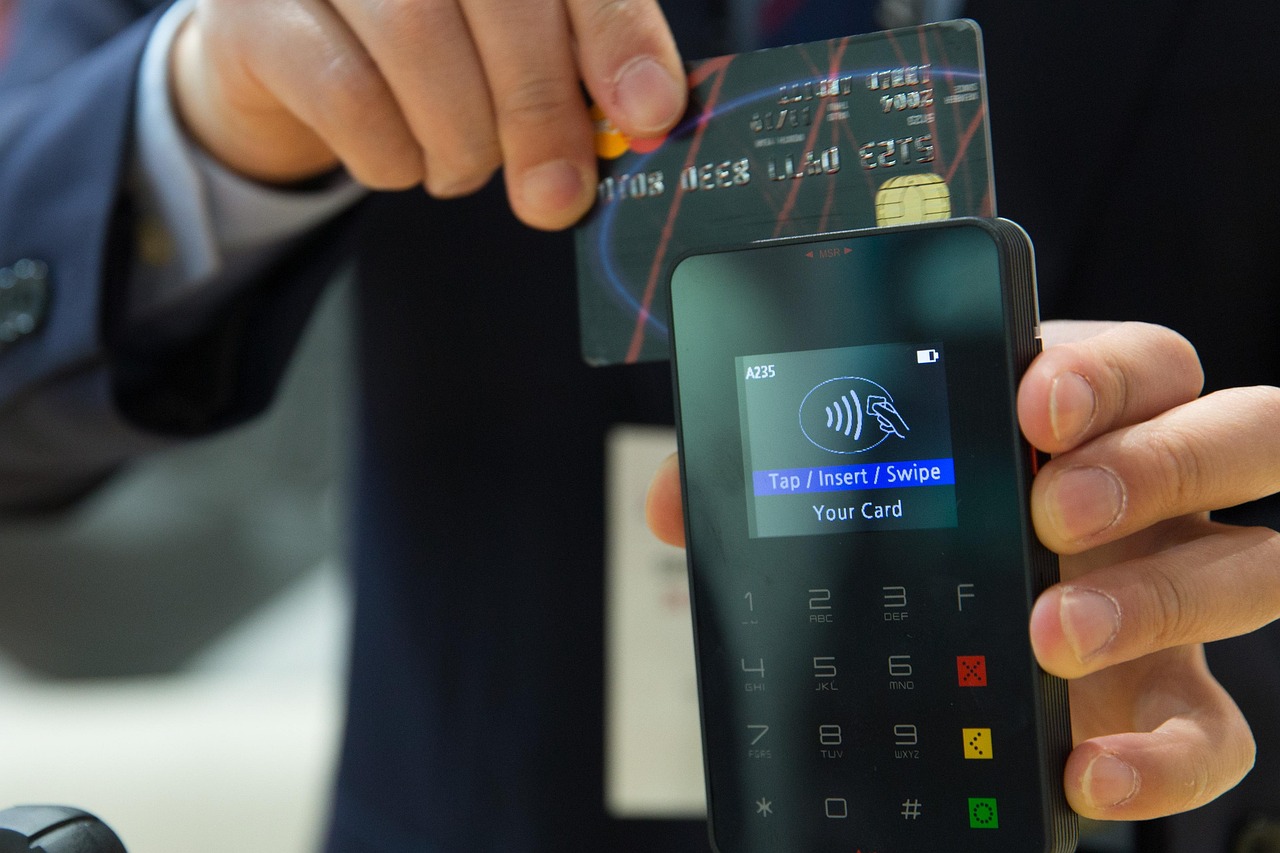
- You are losing sales to card-only customers. Customers who hear "cash only" at the counter increasingly walk away. An EPOS system with integrated card payments removes this friction entirely — explore our guide to EPOS systems with integrated card payments in the UK to see how seamlessly this works in practice.
- You have no idea which products are your best performers. Gut instinct is useful; live product-level sales data is better. If you cannot quickly identify your top ten selling lines this quarter, you are making buying decisions blind.
- You are managing more than one location. A till is entirely site-specific. Once you operate two premises — or even a physical shop alongside an online store — you need a single system with a consolidated view.
Key Benefits of Upgrading to an EPOS System for UK Retail and Hospitality
The gains from upgrading extend well beyond faster checkouts. Businesses across retail, hospitality, off-licence, and pharmacy consistently report measurable improvements across four areas:
Operational efficiency
Automated stock control, purchase order generation, and supplier management reduce the administrative burden that falls on owners and managers. Staff spend more time serving customers and less time on paperwork.
Better business decisions
Cloud-based reporting means you can check sales performance, refund patterns, and peak trading hours from your phone — whether you are on the shop floor or at home. That visibility drives smarter pricing, staffing, and promotional decisions.
Faster, more flexible payments
Integrated card processing removes the lag of a separate terminal and eliminates end-of-day card/cash reconciliation errors. For hospitality operators running busy service periods, this is particularly valuable. Our guide to the best wireless card machines for small businesses in the UK covers how portable payment hardware fits into a modern EPOS setup.
Compliance and accountability
For businesses handling VAT, age-restricted sales (such as alcohol or tobacco), or staff access to sensitive pricing, an EPOS system provides permission levels, audit trails, and — in the case of age-verification prompts — built-in compliance support. HMRC's Making Tax Digital requirements also make digital transaction records increasingly important; check the latest guidance at GOV.UK's Making Tax Digital hub to understand what is expected of your business.
How Much Does It Cost to Switch to an EPOS System in the UK?
Cost is the question most business owners ask first, and the honest answer is that it varies significantly depending on the scale of your operation, the hardware you need, and whether you opt for a subscription or outright purchase. The following ranges are indicative guidance for the UK market, not fixed quotes.
- Entry-level single-terminal setup (small independent retailer or café): hardware typically from around £300–£600 for a touchscreen terminal, receipt printer and cash drawer. Software subscriptions typically start from around £30–£60 per month.
- Mid-range multi-terminal or multi-feature setup: hardware costs typically £600–£1,500 per terminal depending on specification, with software plans often ranging from £60–£150 per month.
- Multi-site or enterprise-level deployments: bespoke pricing applies; most businesses in this tier negotiate on a per-site or per-user basis.
Many providers — including EPOS Direct — offer flexible subscription plans that spread hardware and software costs, which can make the transition significantly more accessible for smaller businesses. Our dedicated article comparing monthly EPOS subscriptions versus outright purchase walks through the financial logic of each approach in detail.
Running costs to factor in include card processing fees (set by your payment provider, not your EPOS supplier), any per-transaction software fees, and support contract costs. Always ask suppliers to break these out clearly before signing.
Step-by-Step: How to Transition Without Disrupting Your Business
A well-planned migration is typically completed in a matter of days, not weeks. The following sequence reflects how successful transitions are handled in practice:
- Audit your current setup. Document what your till currently does — product count, number of departments, payment types accepted — so you have a clear scope for the new system.
- Export and clean your product data. Most EPOS systems accept CSV imports of your product list, pricing and barcodes. Cleaning this data before migration saves significant time.
- Choose your hardware configuration. Decide on terminal type (countertop, portable, tablet-based), receipt printer, cash drawer, and barcode scanner needs before ordering. Our guide to the best till systems for small businesses in the UK is a useful reference point here.
- Train your team before go-live. Most EPOS systems have intuitive touchscreen interfaces, but even a single two-hour training session dramatically reduces first-week friction. Request a software demo — try the retail EPOS software demo or the restaurant EPOS software demo to see the interface before committing.
- Run parallel for 24–48 hours if possible. For very high-volume businesses, keeping the till operational as a backup for one or two trading sessions gives peace of mind, even if you are confident in the new system.
- Go live and monitor closely. Check transaction records, stock deductions, and end-of-day reports for the first week. Most teething issues resolve quickly with support.
For a deeper dive into the retailer's perspective on this process, our article on how to upgrade from a cash register to a modern EPOS system covers migration planning in full.
What to Look for When Choosing the Right EPOS System
Not all EPOS systems are built for the same type of business. These are the criteria that genuinely differentiate one system from another at the decision stage:
Sector fit
A retail EPOS and a restaurant EPOS share a platform but have very different feature priorities. Hospitality operators need table management, kitchen display integration, and split billing. Retailers need barcode scanning, supplier purchase orders, and multi-variant product management. Off-licence operators need age-verification prompts and compliance features — our guide to the best till systems for off licences in the UK covers the specific requirements in detail.
Integrated payments
A system where the EPOS and card terminal communicate natively eliminates double-keying errors and simplifies reconciliation. This should be a priority, not an afterthought.
Cloud-based reporting and remote access
If you cannot access your sales data from outside the shop, you are losing one of the primary benefits of moving away from a traditional till. Confirm that reporting is cloud-based before committing.
Support quality and UK-based service
Your EPOS system is not optional infrastructure — when it has a problem during a busy service, you need fast, knowledgeable help. Ask specifically about support hours, response times, and whether support is UK-based.
Scalability
Even if you run a single site today, choose a system that can accommodate a second location or additional terminals without requiring a complete system change. Growth is expensive enough without compounding it with a platform migration.
Common Concerns About Switching — and How to Address Them
"It will be too complicated for my staff."
Modern EPOS interfaces are designed for fast onboarding. Most staff become comfortable within a single trading session. The learning curve is genuinely shorter than most owners anticipate, particularly for touchscreen-native systems.
"What happens if the internet goes down?"
Reputable EPOS systems include offline mode functionality, allowing you to continue processing transactions when connectivity is interrupted. Sales data syncs automatically when the connection is restored. Always confirm this capability with your supplier before purchase.
"My business is too small to justify the cost."
The value of an EPOS system scales down as well as up. For a small independent shop taking a modest number of transactions per day, the time saved on stock management, reconciliation, and reporting alone typically justifies the monthly cost. Our guide to the best till systems for small shops in the UK addresses the economics specifically for smaller operations.
"I don't know how EPOS Direct compares to other suppliers."
A fair question — and one you should always ask. Our complete comparison guide for 2026 sets out how our systems and service differ from the alternatives across hardware, software, pricing and support.
The Direct Answer: Is Making the Switch Worth It?
Yes — for the overwhelming majority of UK businesses that have moved beyond the simplest single-product, cash-only operation. A modern EPOS system delivers measurable gains in speed, accuracy, visibility, and control that a traditional cash till is structurally incapable of matching. The transition cost is typically recovered within months through reduced shrinkage, better stock management, and faster service.
Ready to Make the Move? EPOS Direct UK Can Help
EPOS Direct UK has spent years helping retailers, restaurateurs, pharmacists and independent business owners across the United Kingdom find the right system for their operation. Whether you are running a single neighbourhood shop or a growing multi-site hospitality group, we offer tailored EPOS solutions designed for UK businesses — backed by UK-based support.
The best place to start is a no-obligation conversation or a live software demonstration. Talk to an expert online to get specific advice for your type of business, or request a free demo to see the system in action before you commit to anything. If you are ready to browse current packages, explore our retail EPOS offers or our hospitality and restaurant EPOS offers — and visit the EPOS Direct UK home page for our full range of products, information and current promotions.
Written by the EPOS Direct UK team, who work with UK retailers, hospitality operators and independent businesses every day to find the right EPOS solution for their specific needs.
Frequently asked questions
- How long does it take to set up an EPOS system once I decide to switch?
- Most EPOS systems can be fully installed and configured within one to three business days, depending on the size of your operation. Cloud-based systems like those from EPOS Direct are typically ready to use within 24 hours once your product catalogue and staff details are loaded. Many providers also offer on-site installation and training to minimise disruption during the changeover.
- How much should I budget to replace my cash till with an EPOS system in the UK?
- Costs vary based on your setup, but as a realistic guide for UK businesses: a single-terminal EPOS system typically starts from around £300 to £600 for the hardware (touchscreen terminal, receipt printer, and cash drawer), with software subscriptions ranging from £20 to £60 per month depending on features. Multi-site or full hospitality setups with kitchen display screens and card payment integration can range from £800 to £2,000+ upfront. Many UK suppliers, including EPOS Direct, offer leasing options and bundles to spread the cost.
- Will I lose my sales data or stock records when I migrate from my old till?
- No — a reputable EPOS provider will help you import existing product lists, stock levels, and historical data before going live. Cloud-based EPOS systems store all your data securely online, so there is no risk of losing records if hardware is ever replaced or damaged. It is advisable to export any data from your current till before migration and confirm your new provider offers a structured onboarding process.
