We use cookies to make your experience better.
To comply with the new e-Privacy directive, you agree to the privacy policy and our use of cookies

Best Till System Alternatives for UK Retail & Hospitality Businesses
Best Till System Alternatives for UK Retail & Hospitality Businesses

Traditional cash registers and basic standalone tills no longer meet the demands of modern UK retail and hospitality. Cloud-based EPOS systems, tablet POS solutions, and self-service kiosks now offer far greater flexibility, insight, and scalability — and switching is more straightforward than most business owners expect. Whether you run a boutique, a busy restaurant, or a chain of convenience stores, this guide covers every credible upgrade path and helps you choose the right direction with confidence.
Why UK Businesses Are Moving Away from Traditional Till Systems
The limitations of a standalone till become apparent the moment a business grows beyond its simplest form. Fixed hardware, no real-time reporting, no integration with card payments or stock management, and no remote access are the four frustrations business owners cite most often. Beyond operational friction, there are commercial pressures: customers expect faster service, card and contactless payments are now the default, and HMRC's Making Tax Digital initiative (MTD) is progressively expanding — meaning digital record-keeping is no longer optional for many businesses. You can verify the current MTD scope at HMRC's official MTD guidance.
The result is a clear shift: businesses across the UK are replacing static tills with intelligent, connected systems that work across devices, locations, and sales channels simultaneously. If you are considering this move, our guide on how to switch from a cash register to a modern EPOS system walks through the practical steps in detail.
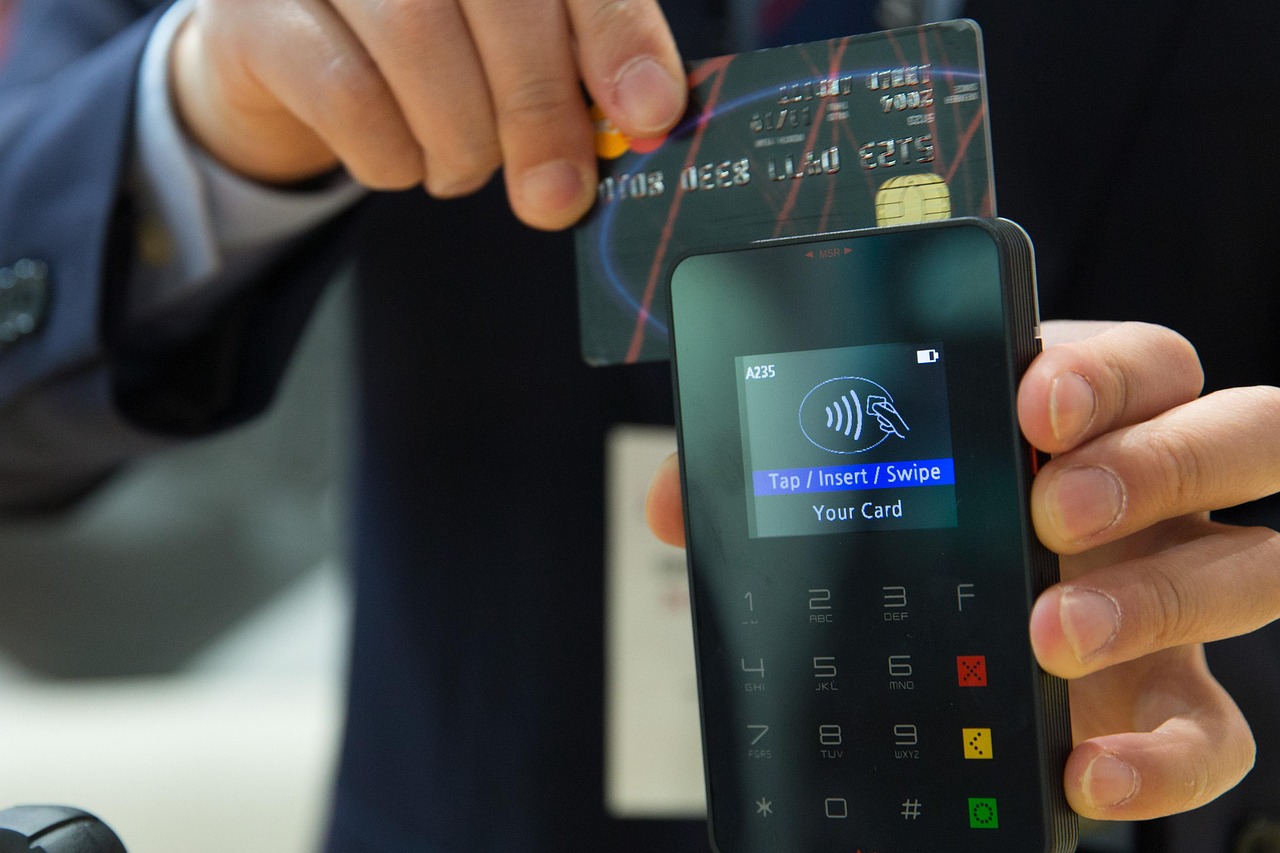
Cloud-Based EPOS Systems: The Leading Alternative to a Standard Till
A cloud-based EPOS system stores all transactional data, stock levels, and reporting on secure remote servers, accessible from any authorised device with an internet connection. For most UK retailers and hospitality operators, this is the single most transformative upgrade available — and it replaces the till entirely rather than simply supplementing it.
What cloud EPOS delivers that a till cannot
- Real-time inventory management: Stock adjusts automatically with every sale, across multiple locations if required.
- Integrated card payments: No separate reconciliation between a card terminal and a till — everything settles in one system. See our guide to the best EPOS systems with integrated card payments in the UK for a deeper comparison.
- Remote reporting: View hourly sales, top-performing products, and staff performance from your phone, wherever you are.
- Automatic software updates: No need to purchase new hardware every time functionality improves.
- Multi-site scalability: Add a second or third location without rebuilding your infrastructure from scratch.
EPOS Direct's cloud software is purpose-built for UK businesses. Explore our EPOS software to see the full feature set, or book a retail EPOS software demo to see it in action for your specific context.
Tablet and Mobile POS: Flexible Alternatives for Retail and Hospitality
Where a fixed counter-based system is impractical — or simply does not suit the environment — tablet and mobile POS solutions are increasingly the preferred choice. A tablet POS runs full EPOS software on a commercial-grade tablet, typically mounted on a stand for counter use or handheld for tableside ordering and queue-busting.
Where tablet and mobile POS excels
- Hospitality and restaurants: Servers can take orders and process payments at the table, reducing ticket times and errors. Book a restaurant EPOS software demo to see tableside ordering in practice.
- Pop-up retail and markets: A compact tablet setup with a wireless card reader travels easily and operates on mobile data.
- Queue management in busy retail: A second tablet deployed during peak hours effectively doubles serving capacity without major infrastructure investment.
- Pharmacies and specialist retail: Lightweight tablet interfaces make product lookup and prescription management faster. Our pharmacy EPOS software demo illustrates the workflow clearly.
Pairing a tablet POS with the right card acceptance hardware matters. Our guide to the best wireless card machines for small businesses explains what to look for and how to avoid compatibility pitfalls.
Self-Service Kiosk Systems: Reducing Queues and Staff Costs
Self-service kiosks have moved well beyond fast-food chains. UK retailers, quick-service restaurants, pharmacies, and even off licences are deploying kiosk solutions to handle routine transactions without staff involvement — reducing queue lengths, freeing team members for higher-value tasks, and capturing upsell opportunities automatically through on-screen prompting.
Is a kiosk right for your business?
A kiosk works best where transactions are relatively predictable, customers are comfortable with self-service (most UK consumers under 50 strongly prefer it for routine purchases), and footfall is high enough that queue reduction has a measurable impact on revenue or customer satisfaction. For off-licence and convenience operators, a kiosk can also enforce age-verification workflows consistently — important for compliance. Read more about specialist requirements in our guide to the best till systems for off licences.
Kiosks are typically integrated into the same EPOS platform as your staffed terminals, so stock, pricing, and promotions remain consistent across every touchpoint without any manual syncing.
Comparing Your Options: A Quick Reference Guide
| Solution Type | Best For | Key Advantages | Considerations |
|---|---|---|---|
| Cloud-Based EPOS | Retailers, restaurants, chains, growing businesses | Full feature set, remote access, multi-site, MTD-ready | Requires reliable broadband; subscription cost applies |
| Tablet POS | Hospitality, pop-ups, mobile vendors, pharmacies | Portable, low hardware cost, fast to deploy | Screen size limits for complex menus or large catalogues |
| Self-Service Kiosk | QSR, convenience, retail with high footfall | Reduces queues, upsell prompting, frees staff | Higher upfront hardware cost; needs occasional supervision |
| Hybrid (EPOS + Kiosk) | Multi-lane retailers, busy restaurants, pharmacies | Covers all transaction scenarios from one platform | More complex initial setup; worth investing in proper onboarding |
Key Features to Look for When Switching from a Traditional Till
The right system depends on your sector, transaction volume, and how you intend to grow. These are the criteria that genuinely separate capable EPOS solutions from basic alternatives:
- Integrated payments: Card processing that communicates directly with your EPOS eliminates end-of-day reconciliation errors and speeds up checkout.
- Offline mode: A system that continues processing sales if your internet drops — and syncs automatically when it reconnects — protects you from costly downtime.
- Granular reporting: You need to know not just total sales, but which products, categories, and times of day are most profitable, and which staff members are performing best.
- Loyalty and promotions: Built-in customer loyalty programmes and promotional pricing tools that do not require a third-party add-on.
- Stock management: Automatic low-stock alerts, supplier purchase ordering, and wastage tracking for hospitality.
- UK-specific compliance: VAT reporting structured for HMRC submission, age-verification prompts, and food allergen management for F&B operators.
- Support: UK-based technical support that answers during your trading hours — not a global helpdesk operating on a different time zone.
For a sector-specific breakdown, our complete buyer's guide to the best till systems for small businesses and our guide for small shops specifically cover practical feature priorities in detail.
How Much Do Till System Alternatives Cost in the UK?
Pricing varies meaningfully by solution type, hardware specification, and the number of terminals required. The following ranges are indicative of the UK market and are provided as guidance rather than quotes — actual pricing depends on your specific setup.
- Cloud EPOS software subscriptions: Typically from around £30–£80 per terminal per month for core retail or hospitality functionality, with enterprise-tier plans for multi-site operations priced higher.
- Tablet POS hardware: Commercial-grade tablets with stands, receipt printers, and barcode scanners typically represent an upfront investment in the range of £300–£900 per station, depending on specification.
- Self-service kiosk units: Most setups fall between £1,500 and £4,000 per unit, inclusive of the enclosure, screen, payment terminal integration, and software licensing — though volume deployments attract better pricing.
- Full EPOS bundles (hardware + software + support): Entry-level single-terminal bundles for small retailers or cafés are often available from around £15–£40 per month on a subscription model, or as outright purchase packages from several hundred pounds upward.
Deciding between a monthly subscription and outright purchase is one of the most common questions buyers raise. Our dedicated article on monthly EPOS subscription versus outright purchase sets out the financial logic for both approaches clearly, so you can make the right call for your cash flow and growth plans.
To understand exactly what EPOS Direct's packages include and what fits your budget, request a free demo — pricing is transparent and discussed honestly based on your actual requirements.
Why EPOS Direct Is the Trusted Choice for UK Businesses Ready to Upgrade
EPOS Direct has been supplying and supporting EPOS systems to UK retailers, restaurants, pharmacies, and hospitality operators for over two decades. Every system is designed, configured, and supported in the United Kingdom — which means the software reflects UK VAT structures, HMRC compliance requirements, and the practical trading realities of British business. Support is UK-based, and the team genuinely understands the operational pressures that come with running a busy shop floor or restaurant service.
Unlike generic global platforms, EPOS Direct provides dedicated retail and hospitality EPOS solutions, not a one-size-fits-all product stretched across every industry. If you want to compare how EPOS Direct's offering stacks up in the market, our honest 2026 competitor comparison guide lays out the differences without spin.
Current offers are available directly on our EPOS Direct UK home page, covering everything from single-terminal starter packages to multi-site enterprise deployments. For sector-specific pricing and package details:
- View our retail EPOS offers — tailored for shops, convenience stores, off licences, and specialist retailers.
- View our hospitality and restaurant EPOS offers — built for cafés, restaurants, pubs, and food-service operations.
Ready to Move Beyond the Traditional Till?
The case for upgrading is straightforward: modern EPOS and kiosk solutions reduce errors, accelerate service, improve stock visibility, and give you the financial reporting you need to run a tighter, more profitable business. The right starting point depends entirely on your sector and scale — which is why speaking to someone who understands both is the most efficient route to a good decision.
Talk to an expert online at EPOS Direct UK, or if you would prefer to see the software before committing to anything, explore our EPOS software and book a live demo at a time that suits you. There is no obligation, and the conversation typically takes less than 30 minutes — long enough to match you to the right solution with confidence.
Written by the EPOS Direct UK team, who work with UK retail and hospitality businesses every day to help them find, configure, and get the most from their EPOS systems.
Frequently asked questions
- What is the main difference between a traditional till and a modern EPOS system?
- A traditional till simply processes cash transactions and prints receipts. A modern EPOS system goes much further — it manages stock levels in real time, tracks sales by product or category, integrates with card payment terminals, and generates detailed business reports. For UK retailers and hospitality businesses, this means less manual admin and much better visibility of what is selling and what is not.
- How much does it typically cost to switch to an EPOS system in the UK?
- Costs vary depending on the setup you need. Entry-level tablet-based EPOS systems in the UK start from around £300 to £500 for hardware, with software subscriptions typically ranging from £15 to £60 per month. A full countertop EPOS terminal with receipt printer, cash drawer and card reader generally costs between £600 and £1,500 upfront, or can be spread via finance options. EPOS Direct offers tailored quotes so you only pay for what your business actually needs.
- Can I keep using my existing card payment machine if I switch to an EPOS system?
- In many cases yes, but it depends on the EPOS software and your current card terminal provider. For the smoothest experience, most UK businesses choose an integrated solution where the EPOS system communicates directly with the card reader, eliminating manual keying of amounts and reducing errors. EPOS Direct can advise on compatible payment integrations to suit your current setup.
