We use cookies to make your experience better.
To comply with the new e-Privacy directive, you agree to the privacy policy and our use of cookies


Best Wireless Card Payment Machines for Small Businesses in the UK
Best Wireless Card Payment Machines for Small Businesses in the UK
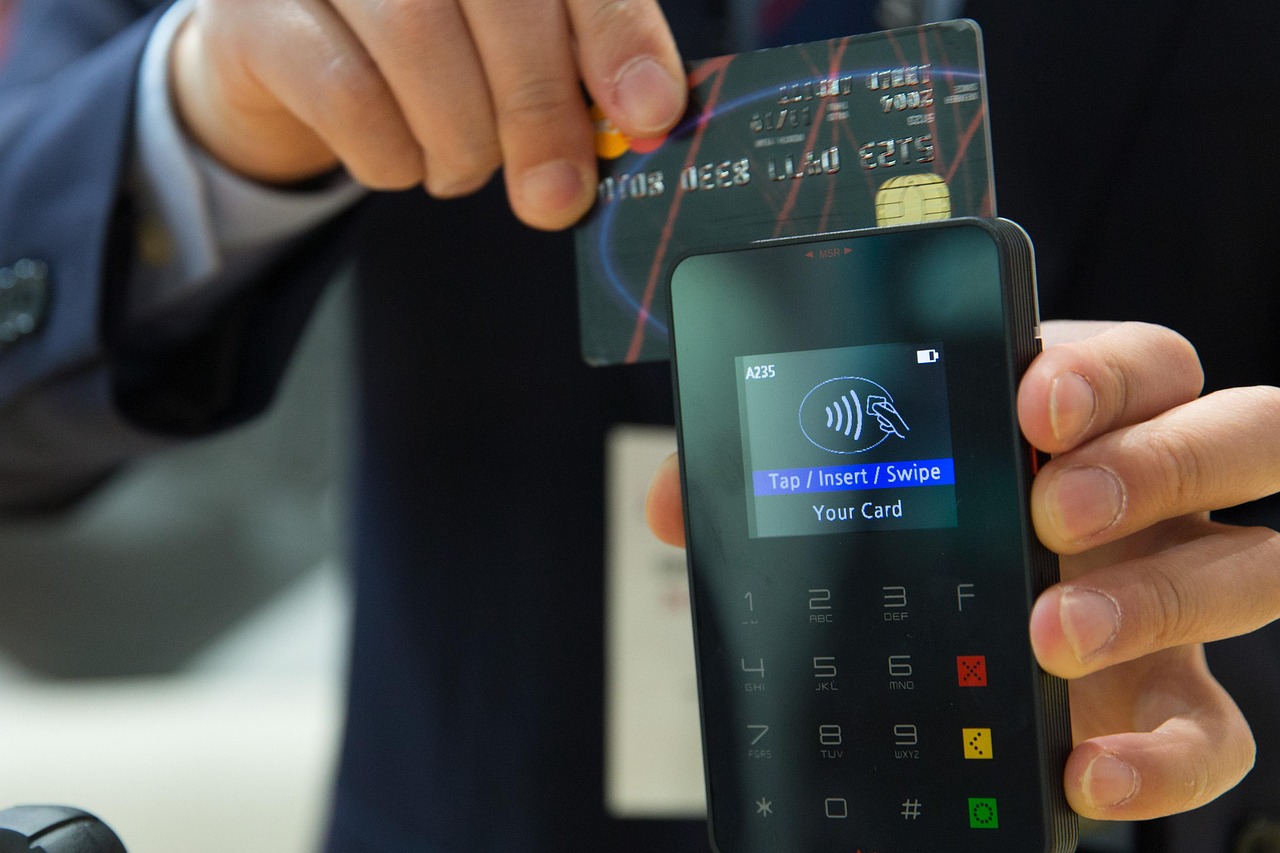
For small businesses across the UK, accepting card payments wirelessly is no longer a luxury — it is the baseline expectation of a modern customer. The right wireless card terminal lets you take payments at the counter, tableside, on a market stall or at a customer's door, without being tethered to a fixed connection. This guide, written by the EPOS Direct UK team who help British retailers and hospitality operators choose payment hardware every day, covers everything you need to make a confident, informed decision.
Why Small Businesses Are Moving Away from Cash-Only and Fixed Terminals
Consumer behaviour in the UK has shifted decisively toward card and contactless payment. Research from UK Finance — the industry body whose data is publicly available at ukfinance.org.uk — consistently shows that debit card payments now account for the majority of all UK retail transactions, with contactless representing a significant and growing share. For small businesses, this means a missed card payment is increasingly a missed sale.
Fixed card terminals served their purpose when counters were the only point of sale. Wireless machines remove that constraint entirely. A clothing boutique can complete a sale on the shop floor. A café can let staff take payment at the table. A mobile trader can accept cards from a customer's driveway. The commercial argument is straightforward: reducing friction at the moment of payment increases conversion and average transaction value.
Beyond convenience, wireless terminals now integrate with full EPOS systems — synchronising stock, sales data and receipts in real time. If you are weighing up the broader picture, our guide to the best till systems for small businesses in the UK sets out how card acceptance fits into your wider technology stack.
Types of Wireless Card Machines: Understanding Your Options
Not all wireless terminals are the same. The three main categories suit different trading environments, and choosing the wrong type creates operational friction fast.
Portable (Wi-Fi) Terminals
Portable terminals connect over your venue's Wi-Fi network. They are the standard choice for restaurants, cafés, hotels and retail stores with reliable broadband. Range is limited to the property's wireless coverage, but within that boundary they are fast, stable and usually the most cost-effective hardware option. Tableside payment in hospitality is the classic use case.
Mobile (SIM / 4G) Terminals
Mobile terminals use a built-in SIM card and connect over cellular data networks — typically 4G, with 5G models emerging. They work anywhere with a mobile signal, making them ideal for market traders, delivery drivers, tradespeople, food trucks and pop-up retailers. Some devices can switch between Wi-Fi and 4G automatically, giving you the best of both worlds.
Countertop Terminals with Wireless Connectivity
A countertop machine is primarily designed for fixed placement but connects via Wi-Fi rather than an Ethernet cable. These are suitable for businesses that want a robust, full-featured terminal at the till point without running cabling — useful in listed buildings, temporary units or retrofitted retail spaces.
| Terminal Type | Connectivity | Best For | Typical Mobility |
|---|---|---|---|
| Portable (Wi-Fi) | Wi-Fi only | Restaurants, cafés, retail stores | Within venue |
| Mobile (SIM/4G) | Cellular + optional Wi-Fi | Market stalls, tradespeople, delivery | UK-wide (signal permitting) |
| Countertop Wireless | Wi-Fi | Fixed till point without cabling | Within venue |
| Integrated EPOS Terminal | Wi-Fi / Ethernet | Full POS integration, high volume | Fixed or semi-portable |
Key Features to Look for in a Small Business Card Terminal
Hardware specs matter, but so does the ecosystem around the device. Here is what experienced buyers look at beyond the brochure:
Payment Method Coverage
- Contactless (NFC): Essential. The UK contactless limit is set by the Financial Conduct Authority and card schemes — check the current limit at fca.org.uk before assuming any figure.
- Chip and PIN: Still required for many transactions and for any transaction above the contactless ceiling.
- Mobile wallets: Apple Pay, Google Pay and Samsung Pay are standard expectations, especially for younger customers.
- Magstripe: Largely legacy in the UK, but useful if you serve international visitors.
Battery Life and Charging
A portable terminal that dies mid-service is a serious operational problem. Look for devices with a full-shift battery life (typically eight hours or more under normal use) and ask whether dock-based charging or USB-C is supported — both options have practical implications for busy counters.
Receipt Options
Many modern terminals offer digital receipts via SMS or email alongside or instead of paper. This reduces consumable costs and supports sustainability goals — increasingly important for consumer-facing brands.
Security and Compliance
Any terminal you deploy in the UK must be PCI DSS compliant. PCI DSS (Payment Card Industry Data Security Standard) requirements are maintained by the PCI Security Standards Council at pcisecuritystandards.org. Your payment provider should handle compliance support, but always confirm this explicitly before signing a contract.
EPOS and Software Integration
A standalone terminal is functional; an integrated terminal is transformative. When your card machine communicates directly with your EPOS software, the till automatically records the payment, stock adjusts in real time, and end-of-day reconciliation takes minutes rather than an hour. This is one of the strongest practical arguments for choosing a provider that offers both hardware and software. Our complete guide to combined card machine and till systems explores this integration in detail.
Transaction Fees, Contracts and Running Costs: What UK Businesses Actually Pay
Cost is the question most buyers lead with, and it deserves a straight answer. The UK market offers a range of pricing structures — none of which is universally right or wrong, but each of which suits a different business profile.
Transaction Fee Models
- Percentage per transaction: The most common model for small businesses. Rates for consumer debit cards are typically lower than credit cards. Indicative ranges for UK small businesses generally fall between approximately 0.5% and 2.5% per transaction, depending on volume, card type and provider — but always confirm current rates directly with your chosen provider as these change.
- Flat fee per transaction: Some providers charge a fixed pence amount per transaction rather than a percentage. This can be advantageous for businesses with high average transaction values.
- Interchange-plus pricing: More common in higher-volume accounts; your fee is the card scheme's wholesale interchange rate plus a fixed margin. More transparent, but more complex to forecast.
Monthly Fees and Hardware Costs
Some providers bundle hardware into a monthly rental that typically starts from around £15–£30 per month for a single portable terminal, while others sell hardware outright (typically from around £100–£300 for a mid-range device) and charge separately for payment processing. If avoiding ongoing monthly commitments matters to your cash flow, see our guide to card machines with no monthly fee for a focused breakdown of that approach.
Contract Length
Rolling monthly contracts offer flexibility but may carry higher per-transaction rates. Fixed-term contracts of 12–36 months often unlock lower rates or subsidised hardware. Always read the exit clause — some providers apply early termination fees that can be substantial.
Hidden Costs Worth Querying
- PCI DSS non-compliance fees (charged if you do not complete annual compliance questionnaires)
- Chargeback administration fees
- 4G data costs on mobile terminals
- Paper roll and consumable costs
- Software subscription fees if the terminal links to a cloud POS platform
How Wireless Card Machines Integrate With Your EPOS System
The most significant operational upgrade a small business can make is moving from a standalone card machine to one that is fully integrated with its EPOS platform. Integration eliminates manual keying of amounts (a source of both error and fraud risk), speeds up the checkout process, and feeds accurate payment data into your reporting automatically.
Modern EPOS systems — including those offered by EPOS Direct UK — support payment integration through either a direct API connection to a payment processor or through a semi-integrated model where the POS sends the transaction amount to the terminal securely. Both approaches mean staff never touch the payment terminal to enter amounts — the machine simply prompts the customer to pay.
For retail businesses, integrated payments pair naturally with inventory management: a confirmed sale reduces stock in real time. For hospitality, integration with table management means a bill can be split, transferred and paid at the table in one seamless flow. If you operate a clothing or fashion retail business specifically, our article on the best EPOS systems for clothing shops covers how integrated card payments work alongside size and variant stock management.
To see how EPOS Direct UK's software handles payment integration in practice, you can book a retail EPOS software demo or, if you run a food and beverage business, explore the restaurant EPOS software demo to see tableside payment workflows live.
Wireless Card Payment Solutions for UK Retail and Hospitality: A Practical Comparison
Different business types have meaningfully different requirements. The table below maps common small business profiles to the solution approach that tends to work best — it is a starting framework, not a definitive prescription.
| Business Type | Recommended Terminal Type | Priority Features | Integration Need |
|---|---|---|---|
| Independent retailer | Countertop wireless or portable Wi-Fi | Stock integration, fast checkout, digital receipts | High — links to inventory |
| Restaurant / café | Portable Wi-Fi (multiple devices) | Tableside payment, bill splitting, tipping prompt | High — links to table management |
| Market trader / pop-up | Mobile SIM/4G terminal | Battery life, signal resilience, compact size | Medium — basic sales reporting |
| Tradesperson / mobile service | Mobile SIM/4G terminal | 4G reliability, lightweight, long battery | Low — standalone often sufficient |
| Hotel / accommodation | Portable Wi-Fi or countertop wireless | Pre-authorisation, deposit handling, PMS integration | High — links to property system |
| Pharmacy | Countertop wireless | Compliance, prescription handling, NHS payments | High — specialist software required |
Pharmacy operators have particularly specific requirements around EPOS integration. EPOS Direct UK offers a dedicated pharmacy platform — you can request a pharmacy EPOS software demo to explore how card payment, dispensing workflows and compliance reporting connect.
Does Your Business Really Need a Monthly Contract? Answering the Real Questions Buyers Ask
Can I accept cards without a monthly fee?
Yes — several providers offer pay-as-you-go models with no fixed monthly charge, typically in exchange for a slightly higher per-transaction rate. This suits very low-volume or seasonal businesses. Our dedicated guide to card machines with no monthly fee in the UK walks through the trade-offs in full.
What happens to my card machine if my internet goes down?
This depends on your terminal model. Some devices store transactions offline and process them when connectivity is restored — though this carries a small risk if a card is later declined. Others require a live connection for every transaction. If your broadband is unreliable, a 4G-capable terminal that can failover to cellular data is a sensible safeguard.
Is a combined EPOS and card machine system more cost-effective than buying them separately?
For most small businesses that intend to use both, yes. A bundled solution from a single provider typically offers tighter integration, a single support contact and often better overall pricing than sourcing hardware from one supplier and payment processing from another. Our guide on EPOS systems for small businesses covers the full cost-benefit picture, and our buyer's guide to affordable EPOS systems specifically addresses budget-conscious purchases.
How to Get Started: Choosing and Setting Up Your Card Machine
The process of moving to a wireless card payment setup is more straightforward than many business owners expect. Here is a practical sequence:
- Audit your trading environment. Identify where payments are taken, whether you trade off-site, and what your average transaction value and monthly volume look like. These factors will shape both the hardware type and the fee structure that suits you.
- Decide on integration first. If you already run an EPOS system, confirm which terminal models and payment processors it supports before shopping for hardware. Retrofitting integration after the fact is always more complex.
- Compare total cost of ownership. Do not compare headline transaction rates in isolation. Factor in hardware cost or rental, monthly fees, PCI compliance fees and contract exit terms.
- Verify compliance support. Confirm that your provider helps you meet PCI DSS obligations — many providers include guided compliance questionnaires as part of their merchant services.
- Request a demonstration. For any significant investment, a live demo showing how the terminal interacts with your software is essential. This is where gaps in integration become visible before you are committed.
EPOS Direct UK offers both retail and hospitality solutions with integrated card payment capabilities. You can browse current packages and offers on the EPOS Direct UK home page, view our retail EPOS offers or our hospitality and restaurant EPOS offers for current options, or talk to an expert online to discuss your specific setup.
The Direct Answer: Which Wireless Card Machine Is Right for a Small Business?
The best wireless card terminal for a UK small business is one that matches your trading environment (portable Wi-Fi for fixed venues, mobile SIM for on-the-go), integrates cleanly with your EPOS software, and comes with transparent, fair transaction fees and PCI DSS compliance support. For most businesses, an integrated system — where the card machine and till platform communicate automatically — delivers the strongest return on investment through saved time, reduced errors and better sales reporting.
Next Steps with EPOS Direct UK
EPOS Direct UK has been helping British retailers, hospitality businesses and specialist operators choose, install and integrate card payment hardware with their EPOS systems for years. Whether you are setting up your first card machine or upgrading from a legacy standalone terminal to a fully integrated EPOS solution, the team can guide you through hardware selection, payment processing options and software configuration.
For a deeper comparison of wireless card terminal options specifically, our dedicated guide to the best wireless card machines for small businesses in the UK is a useful companion read. When you are ready to take the next step, request a free demo or request a call back and one of the EPOS Direct UK team will be in touch to help you find the right solution.
Frequently asked questions
- How much does a wireless card machine cost for a small business in the UK?
- Costs vary depending on the provider and contract type. In the UK, you can expect to pay anywhere from £0 upfront (on a rental or bundled EPOS deal) to £150–£400 to purchase a terminal outright. Monthly rental fees typically range from £15 to £40. Transaction fees generally sit between 0.3% and 1.75% per card payment depending on your card volume and provider. Businesses processing higher volumes usually secure lower rates, so it is worth comparing quotes before committing.
- Do I need a separate card machine if I already have an EPOS system?
- Not necessarily. Many modern EPOS systems, including those from EPOS Direct, support integrated card payment terminals that communicate directly with your till software. This means transactions are automatically recorded, reconciliation is faster, and the risk of human error is reduced. If you currently have a standalone card reader, it may be worth upgrading to an integrated wireless terminal to streamline your operations.
- Can a wireless card machine work without a stable Wi-Fi connection?
- Yes. Most wireless card terminals sold in the UK support both Wi-Fi and 4G or GPRS mobile connectivity, so they can switch automatically to a mobile network if your broadband drops. This makes them ideal for outdoor events, market stalls, table-side payments in restaurants, or any environment where Wi-Fi is unreliable. Always confirm dual-connectivity is included before purchasing, as some budget devices are Wi-Fi only.
