We use cookies to make your experience better.
To comply with the new e-Privacy directive, you agree to the privacy policy and our use of cookies


EPOS System
-
 Read more
Point of sale (POS) systems play a vital role in processing transactions for retail businesses of all sizes. However, in addition to the initial investment in an epos system, you also need to consider maintenance costs. When you're looking for the best POS option for your business, inquire about these rates.
Epos software maintenance fees can vary depending upon the provider per month per store, and various other factors. Maintenance fees can range from a monthly subscription to an annual maintenance contract.
Definition and meaning of POS maintenance
Firstly, it is important to clarify what maintenance fees include. They include all costs associated with ensuring the smooth operation and maintenance of your POS system and are not related to transaction fees.
These fees include software updates, technical support, hardware repair or replacement, security
-
 Read more
Managing inventory, providing good customer service, handling payments, and managing operations are just a few of the many tasks involved in running a business. A reliable Point of Sale (POS) system can greatly simplify these tasks and optimise business processes. The right epos software can help you grow your business by increasing productivity and customer satisfaction. Using a POS system can significantly improve operational efficiency, customer satisfaction, and profitability. A properly selected Point of Sale (POS) system can help businesses optimise workflow and achieve their goals by streamlining transactions, automating repetitive procedures, and providing insightful data.
Understanding the Importance of Epos System
Operations
Epos software is more than just a tool to increase sales. It helps you track sales, manage inventory, and generate reports
-
 Read more
Technological advancements have played a pivotal role in the retail industry by shaping the way businesses operate. One such innovation that has significantly impacted the industry is the Electronic Point of Sale system. Epos systems, once limited to simple transaction processing, have evolved into sophisticated tools that streamline operations, enhance customer experiences, and drive business growth.
The Evolution of Epos Systems
The early Epos systems were primarily designed to automate cash register functions, replacing manual calculations and reducing the potential for errors. However, as technology progressed, Epos systems became increasingly versatile and integrated with other business functions. Latest epos solutions encompass a wide range of features, including:
Inventory Management: Epos systems can track stock levels in real-time, enabling businesses to optimise
-
 Read more
Efficiency is key in delivering exceptional service to customers in the Hospitality industry. One powerful tool that can significantly boost your operations is the POS system integration with Kitchen Display Software. By connecting these two essential systems, you can streamline workflows, reduce errors, and improve overall restaurant performance.
Understanding Kitchen Display Software (KDS)
A KDS is a digital display system that visually communicates orders from the POS system to the kitchen staff. It provides real-time updates on incoming orders, allowing chefs and cooks to prioritise tasks and ensure timely delivery. KDS systems can be customised to display various order details, including item names, quantities, preparation instructions, and even customer preferences.
Benefits of Integrating POS System with Kitchen Display Software
-
 Read more
In today's competitive market, businesses in retail and hospitality need more than just traditional cash registers. They require efficient and versatile systems that streamline operations, improve customer experience, and enhance profitability. Enter the modern EPOS (Electronic Point of Sale) solutions—a game-changing technology that goes beyond processing transactions. Whether you're running a retail store or a restaurant, modern EPOS systems offer numerous advantages that can revolutionise your business operations.
- Streamlined Operations
A modern EPOS system integrates various functions into one platform, significantly reducing manual work. For retail businesses, these systems handle everything from sales to inventory management, staff scheduling, and customer loyalty programs. Hospitality businesses benefit from EPOS solutions by managing tables, reservations, and o
-
 Read more
Retail businesses in recent times are increasingly adopting a multi-channel approach to reach their customers. It involves selling products across various channels, including physical stores, online marketplaces, and social media platforms. To effectively manage these multiple channels, businesses need a robust and efficient Point of Sale (POS) system.
The Role of POS Systems in Multi-Channel Management
A POS system is a key tool for managing sales transactions in a physical store. However, its capabilities extend far beyond that. When integrated with other systems, a POS system can streamline operations across multiple channels, offering numerous benefits.
Key Benefits of POS Integrations
- Real-time Inventory Synchronisation: One of the biggest challenges in multi-channel retailing is maintaining accurate inventory levels across all channels. POS
-
 Read more
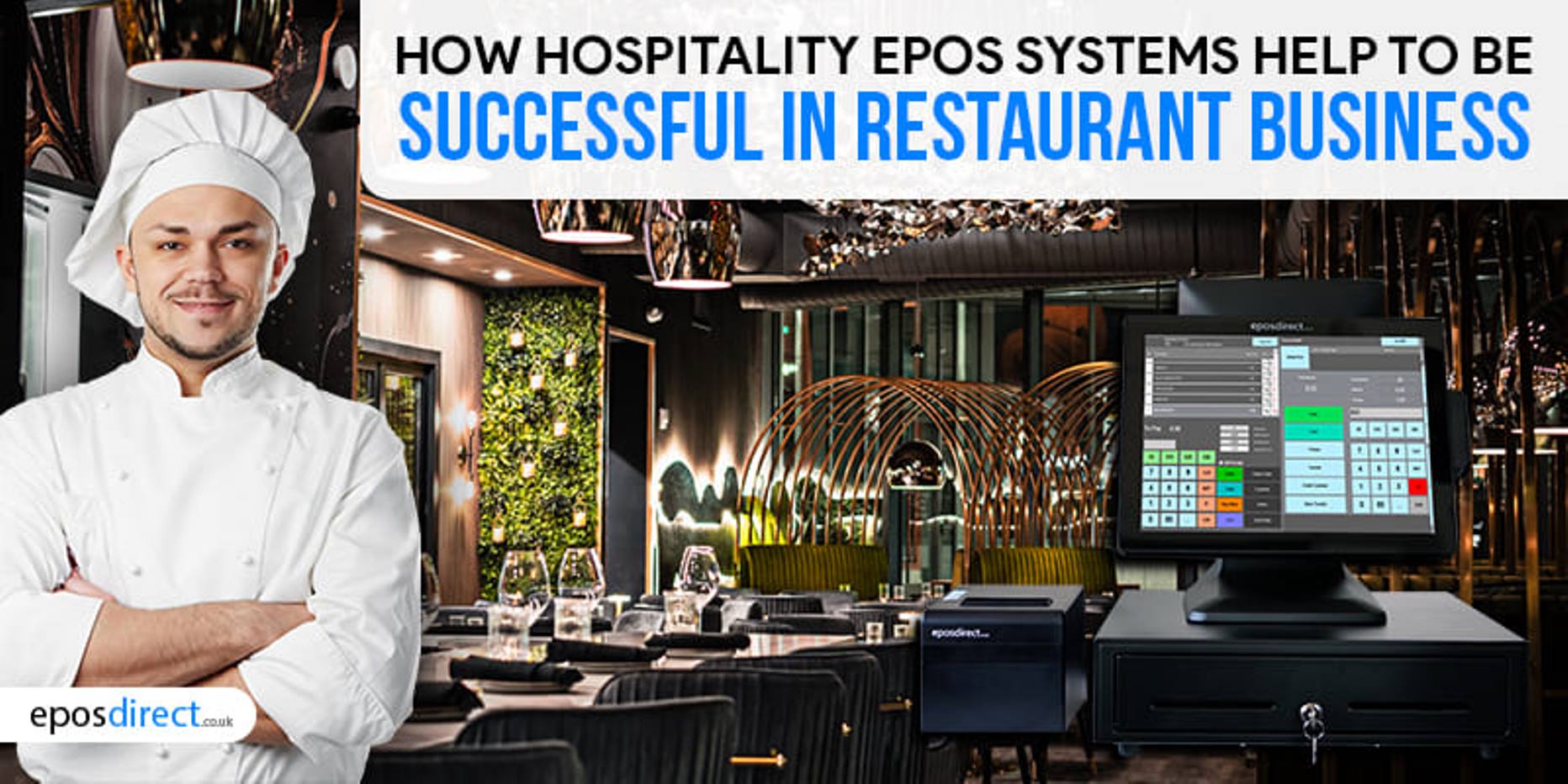
In the fast-paced and competitive world of the restaurant industry, efficiency, accuracy, and customer satisfaction are paramount to success. One of the key technologies that have revolutionized the way restaurants operate is the EPOS system. These advanced systems offer a range of features that streamline operations, enhance customer experiences, and ultimately contribute to the success of restaurant businesses. In this blog, we will explore how hospitality EPOS systems help restaurants thrive, focusing on various aspects from order management to analytics.
Streamlined Order Management
One of the most significant advantages of hospitality EPOS systems is their ability to streamline order management. Traditional methods of taking orders with pen and paper
-
 Read more
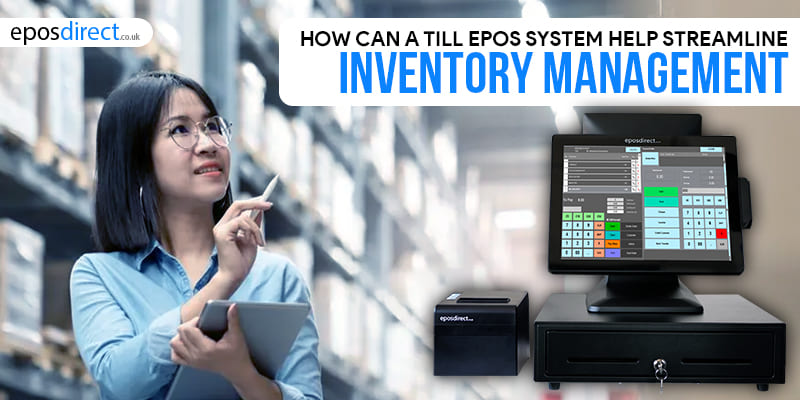
Traditional inventory methods, reliant on manual processes, are prone to errors, time-consuming, and often lead to stock discrepancies. Enter the modern till EPOS system—a game-changer that revolutionizes how businesses manage their inventory. In this blog, we'll explore how a till EPOS system can streamline inventory management and why it's becoming indispensable for businesses in the UK and beyond.
What is a Till EPOS System?
A till EPOS system, or Electronic Point of Sale system, integrates hardware and software to manage sales transactions, track inventory, and provide detailed analytics. Unlike traditional cash registers, EPOS till systems offer a multitude of functionalities designed to enhance efficiency and accuracy in business operations. T
-
 Read more
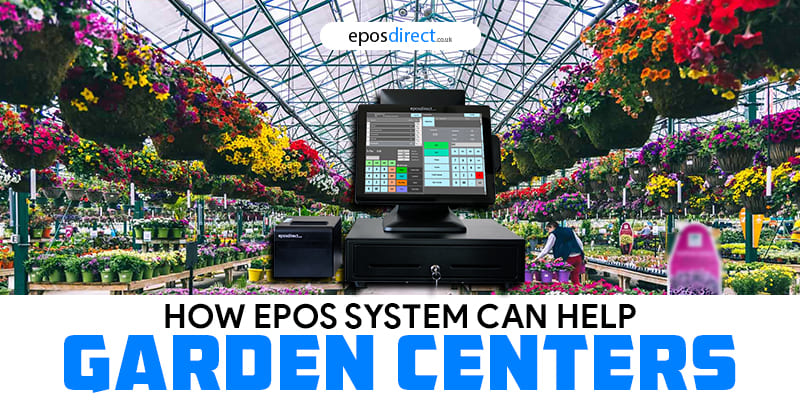
Garden centres face unique challenges in managing their diverse range of products, customer interactions, and business operations. The Garden EPOS system can be a game-changer for garden centres, offering numerous advantages that streamline operations, enhance customer experience, and boost overall profitability.
Enhance Customer Experience and Loyalty with a Powerful Garden EPOS System
- Streamlined Inventory Management
Garden centres typically handle a wide variety of products, from plants and seeds to gardening tools and outdoor furniture. Managing such a diverse inventory manually can be daunting and error-prone. An EPOS system simplifies inventory management by providing
-
 Read more
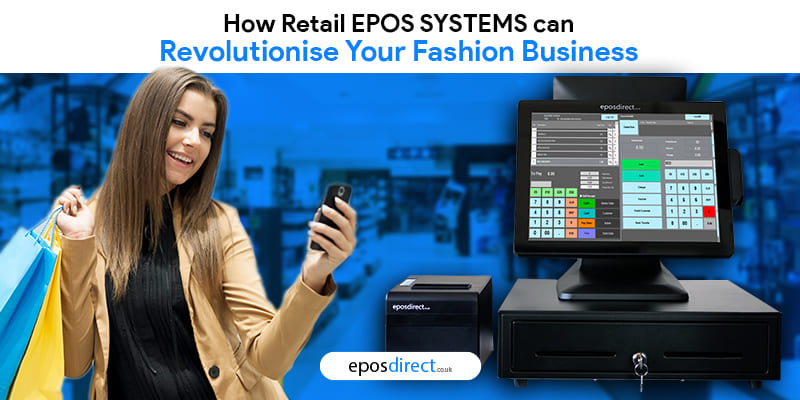
EPOS systems are not just about processing transactions, as they offer a comprehensive suite of tools designed to streamline operations, enhance customer experience, and provide critical business insights.
Streamlined Operations
The basic advantage of a retail EPOS system is to streamline various operational aspects of your fashion business. Traditional cash registers are limited in functionality, often leading to manual errors and inefficiencies. In contrast, modern EPOS systems integrate sales, inventory management, and customer data in real-time, reducing the chances of human error and making the overall process more efficient.
For instance, an EPOS system can automate stock management by tracking inventory levels in real-time.
Recent Posts